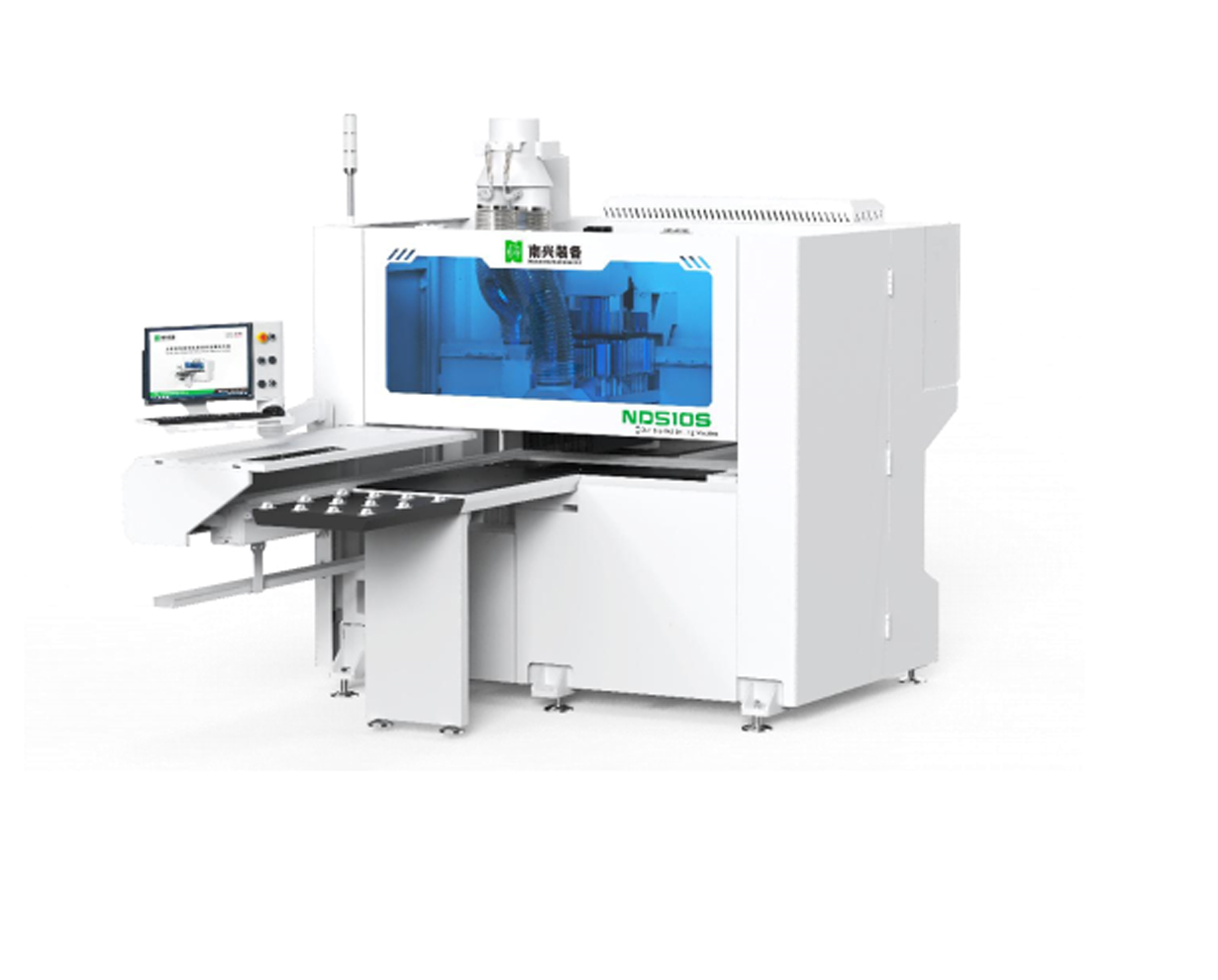
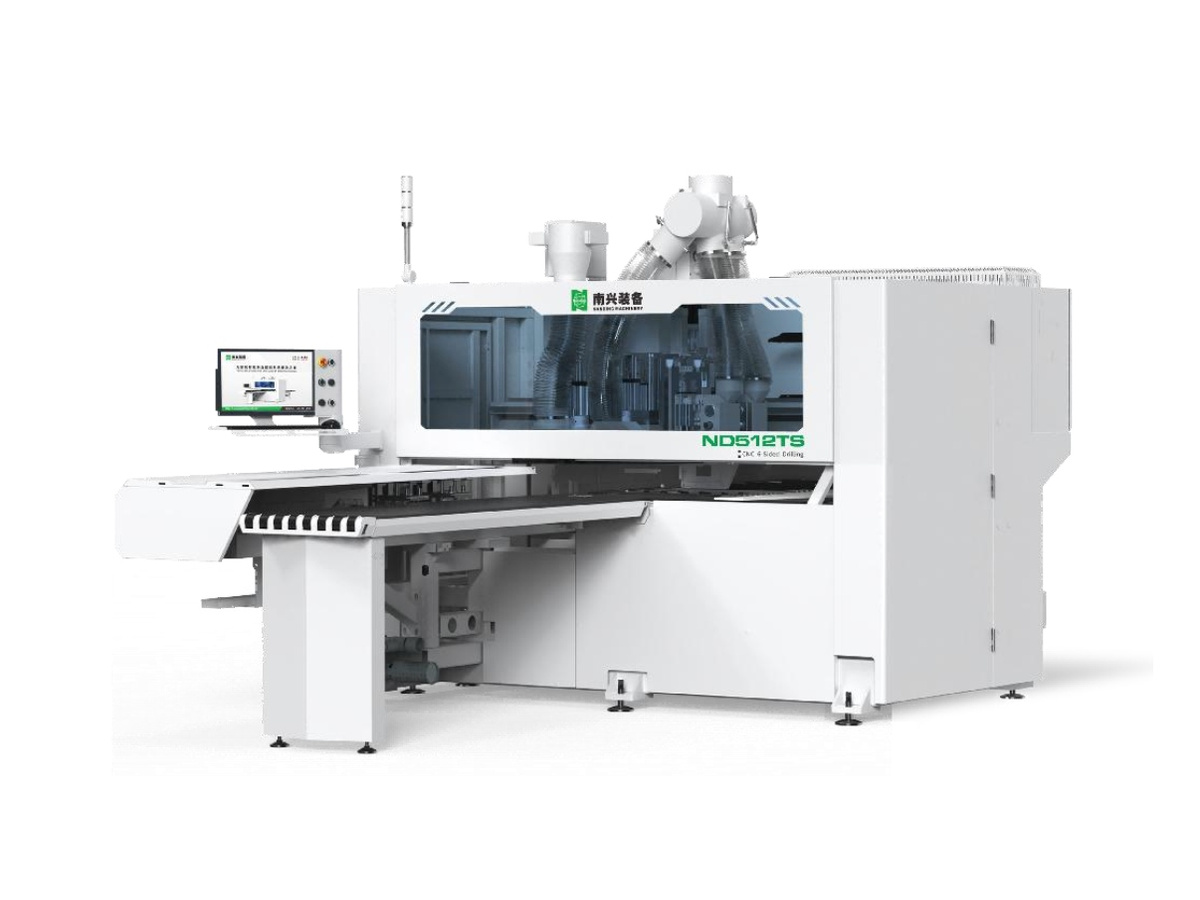
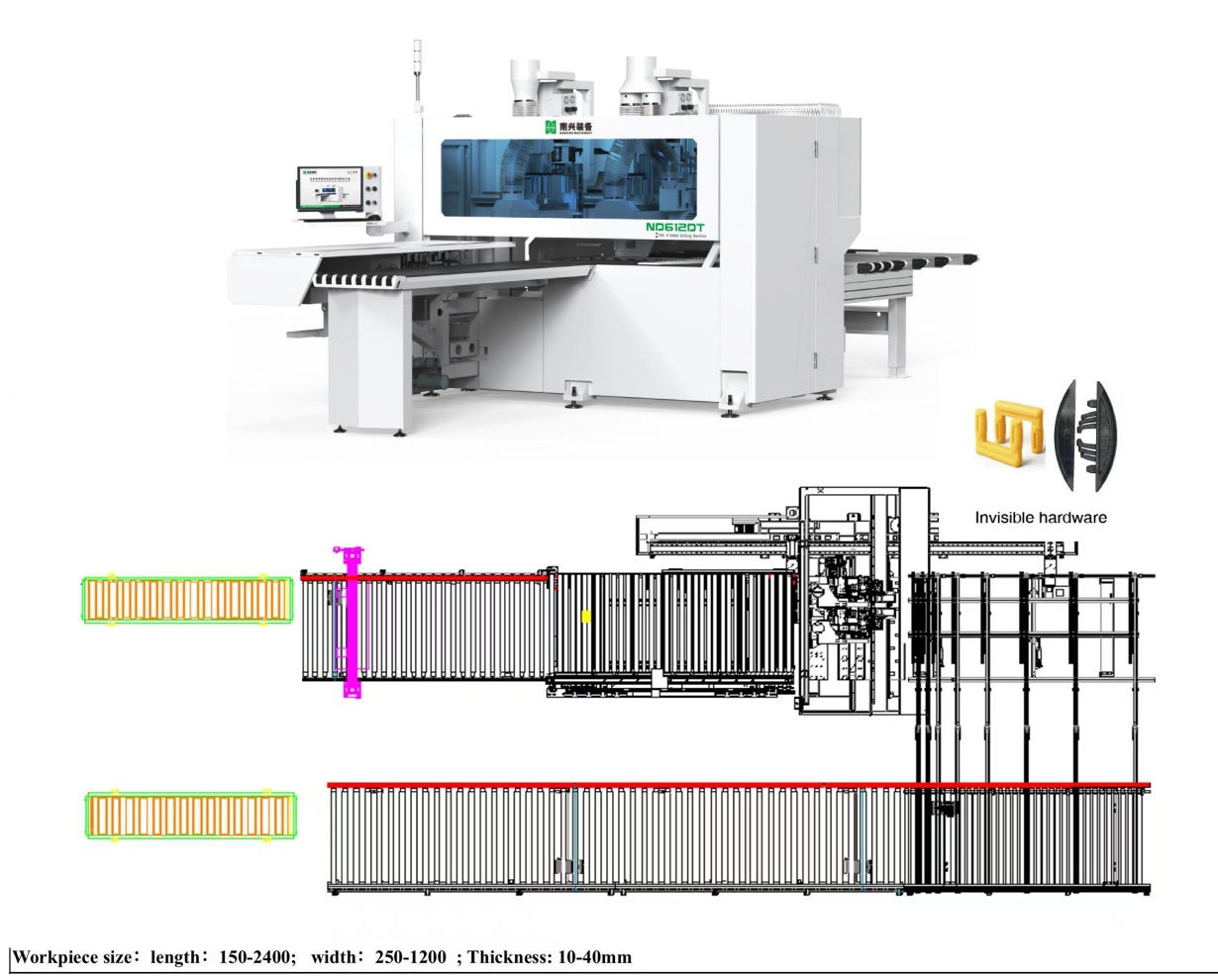
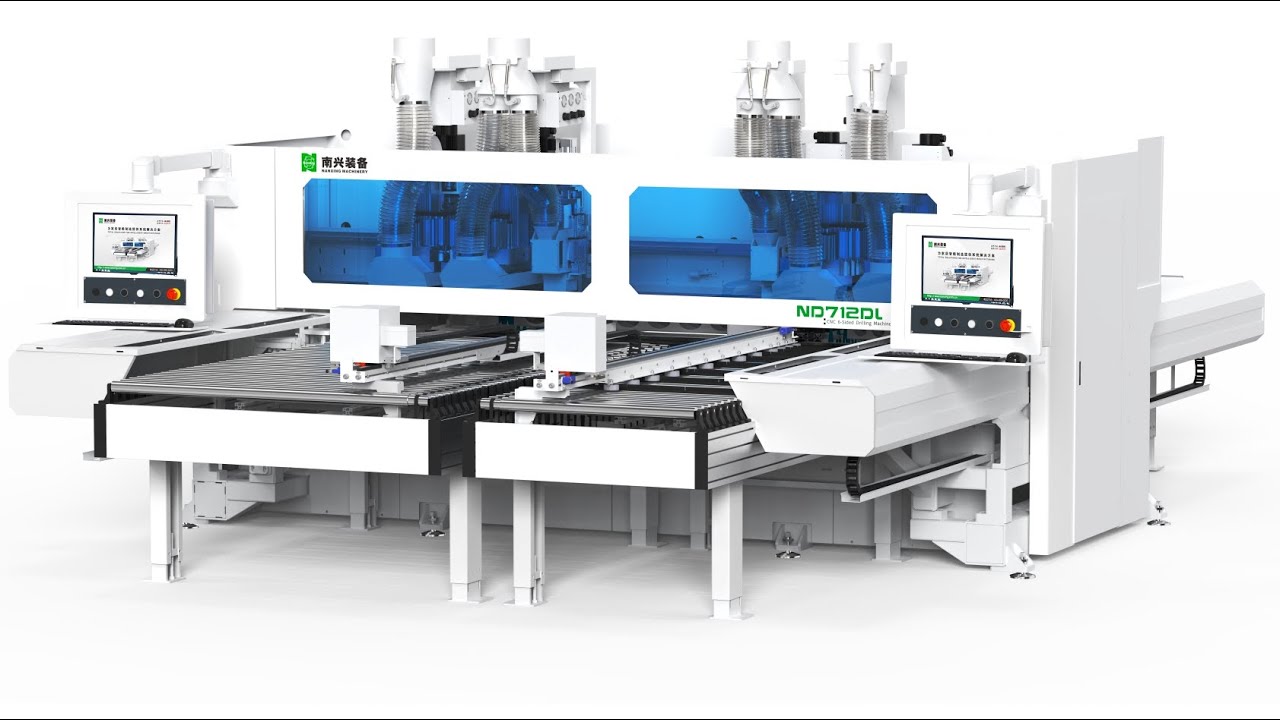
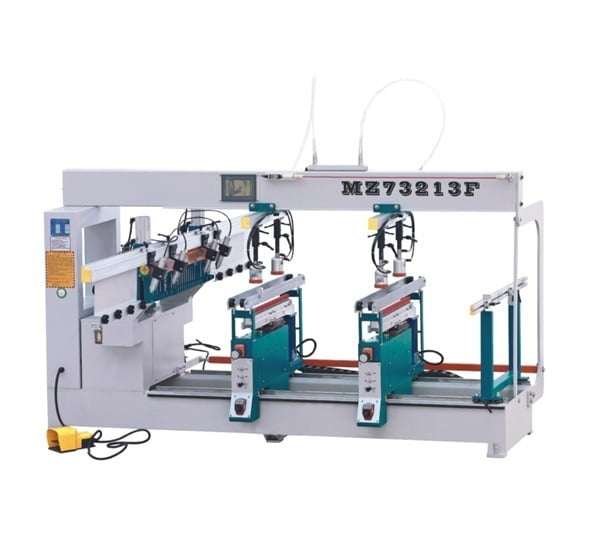
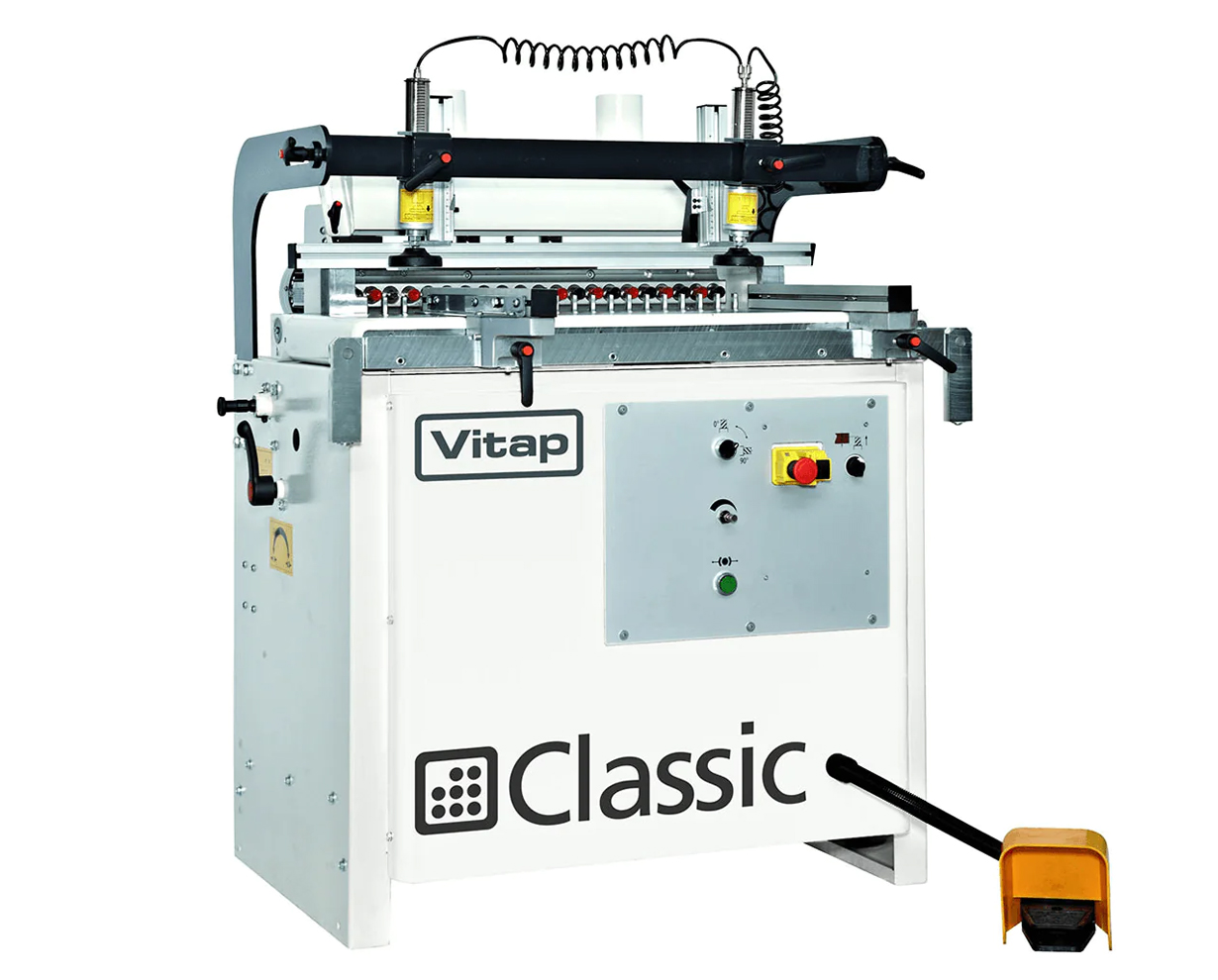
Multi Boring Machine
( 18 Products Available )
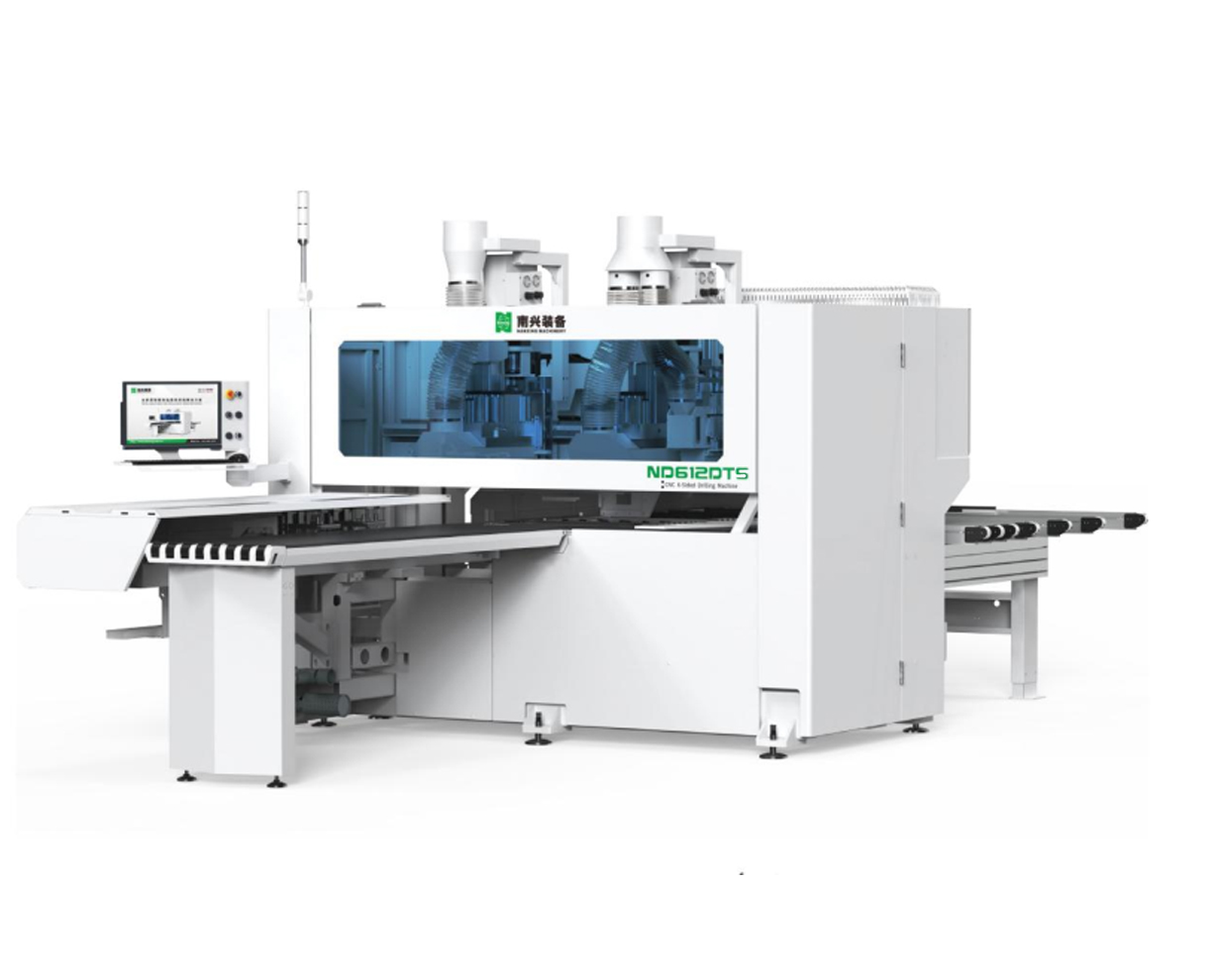
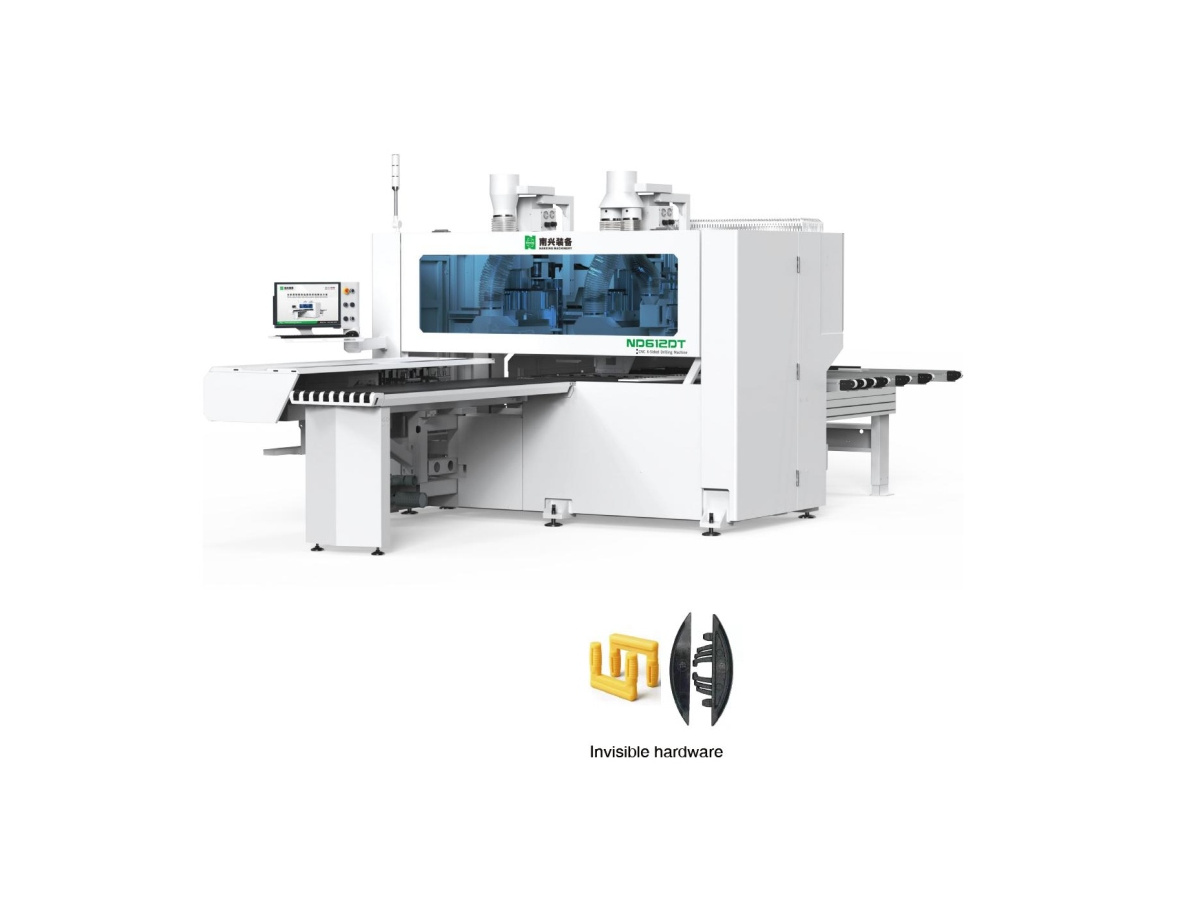
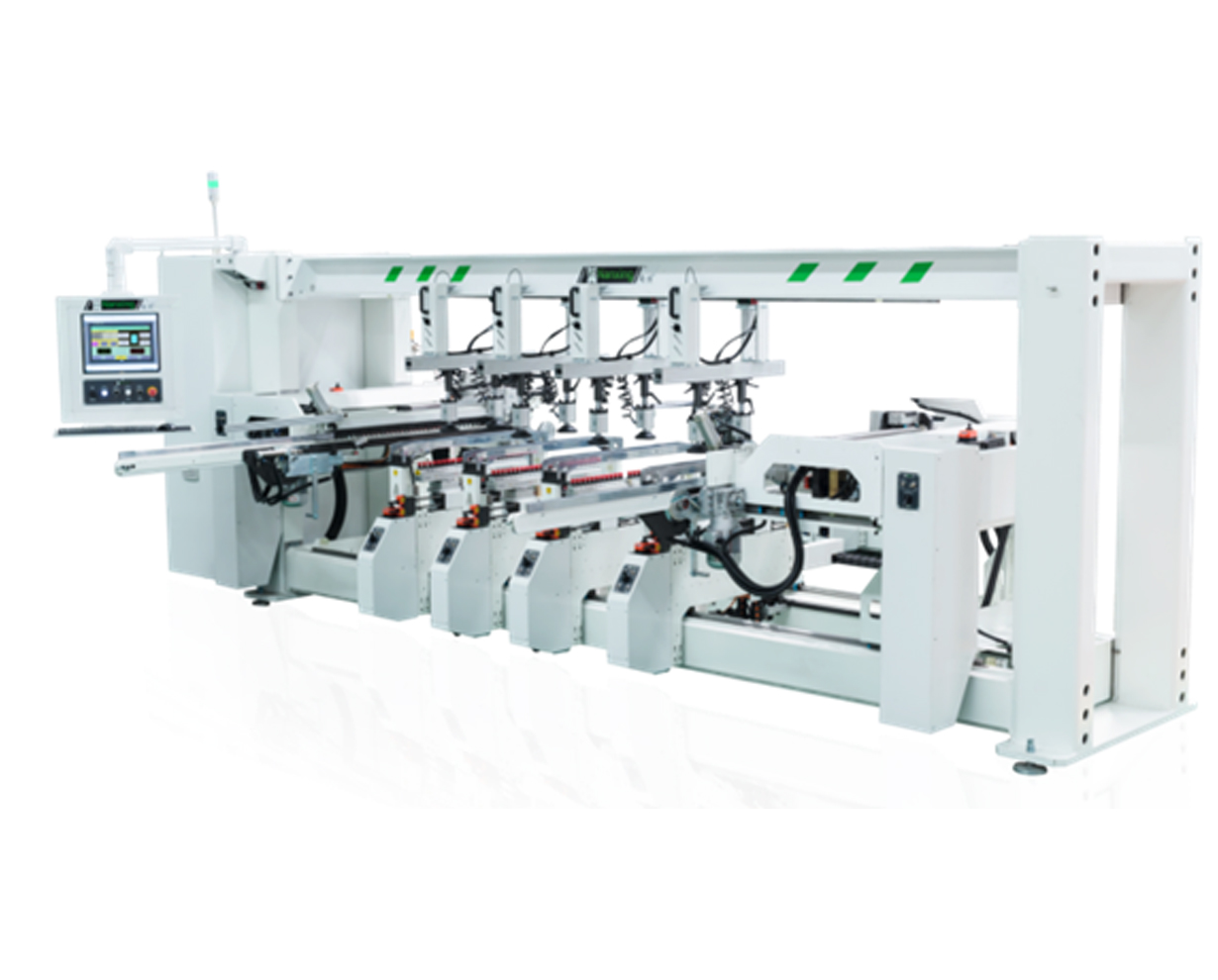
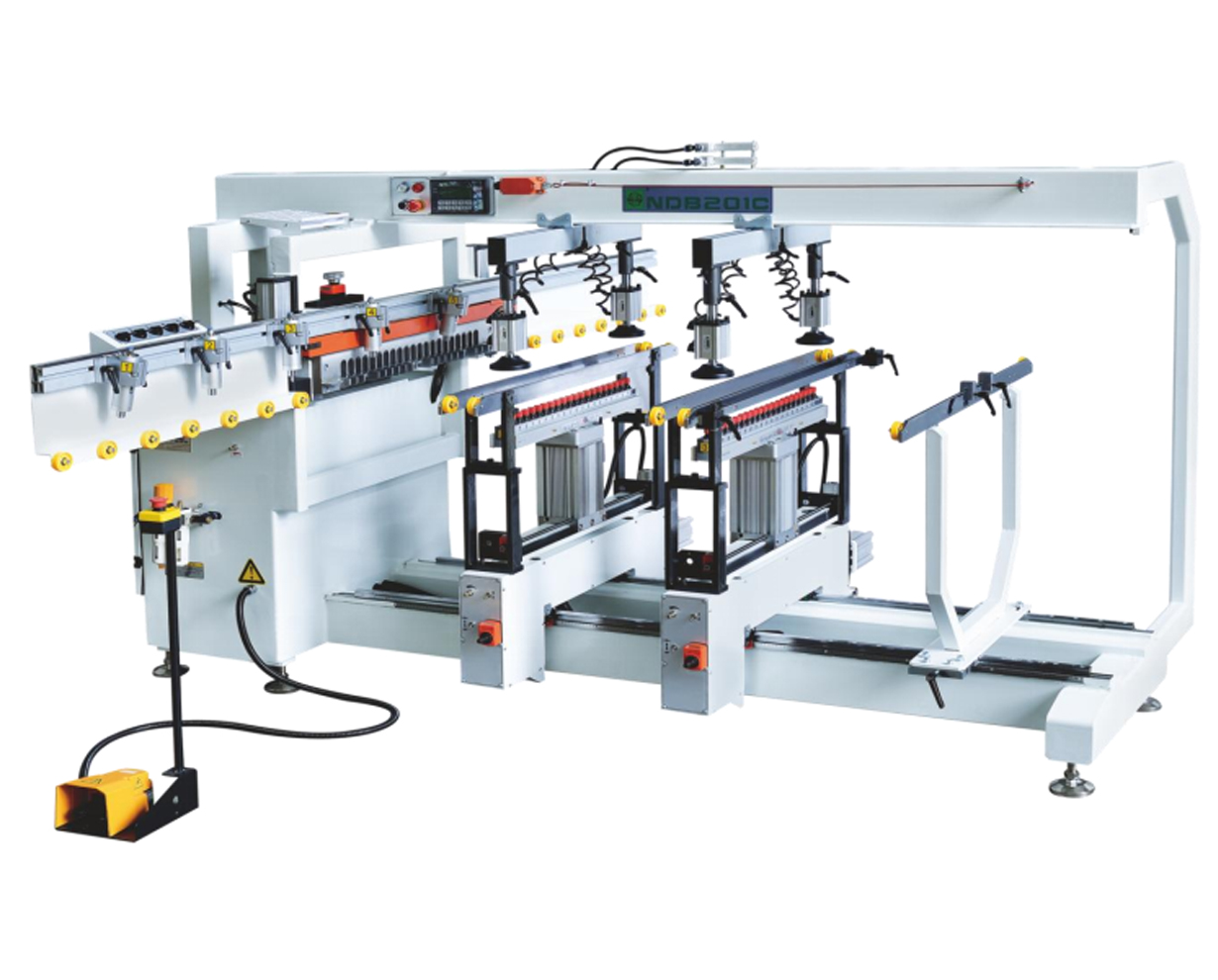
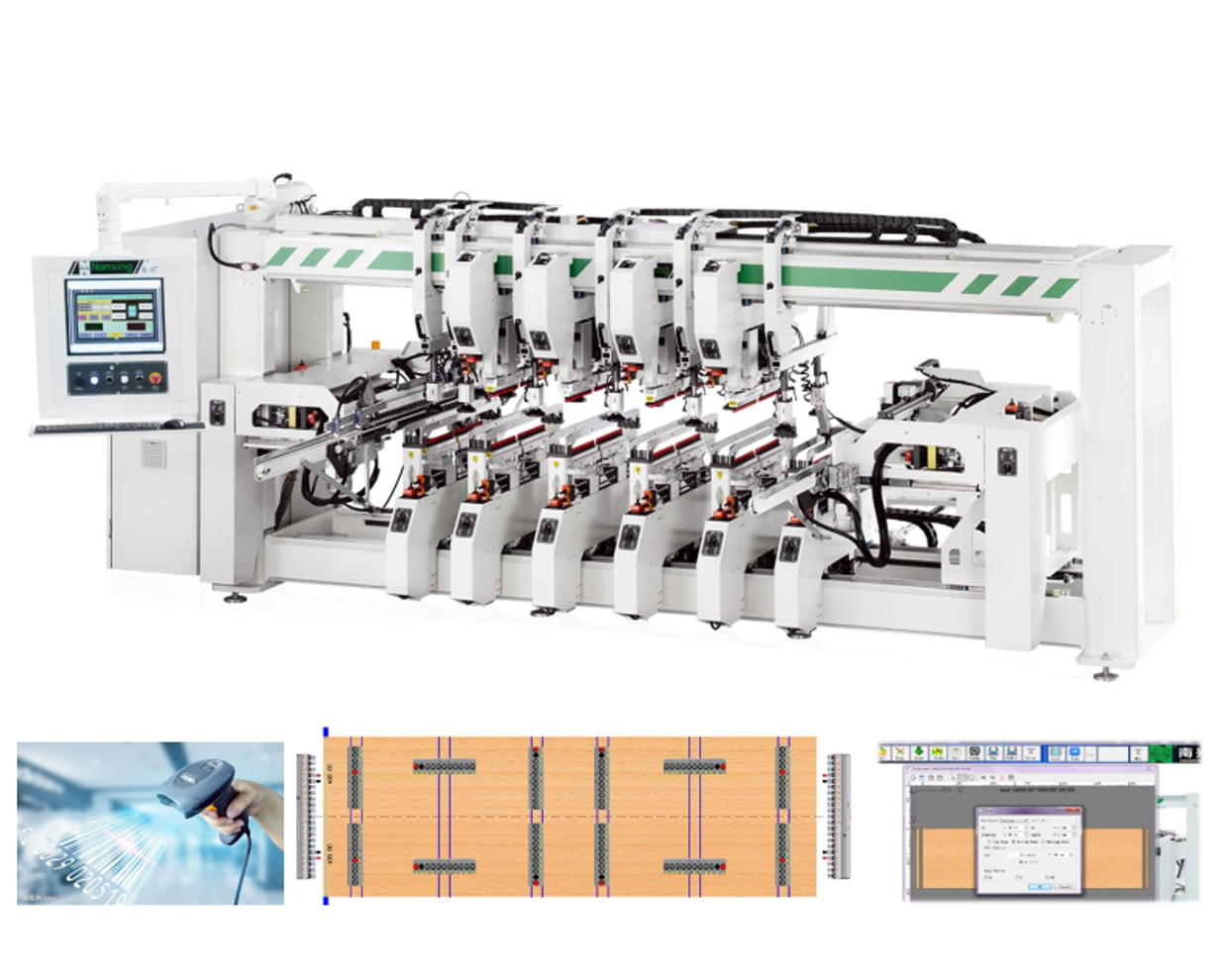
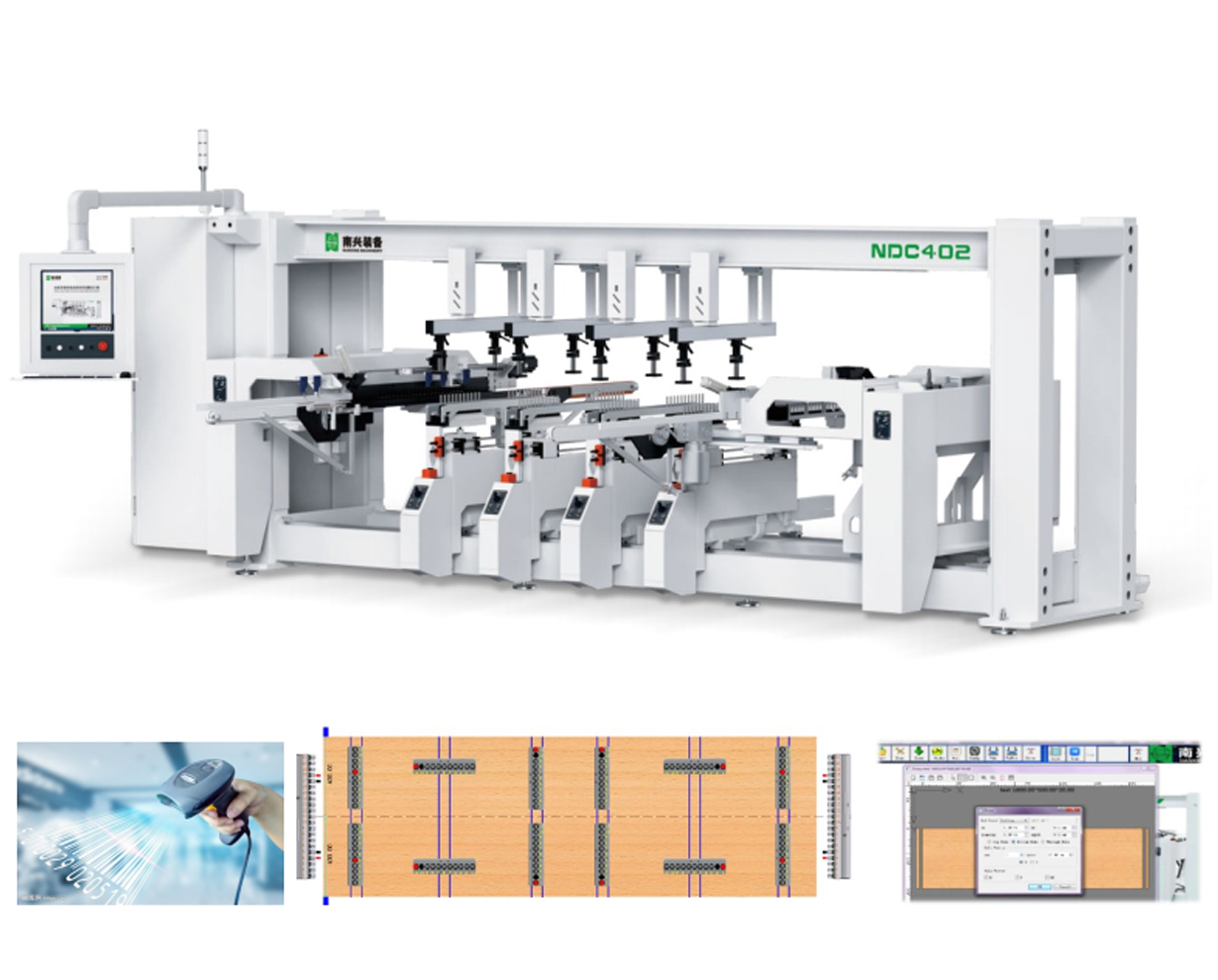
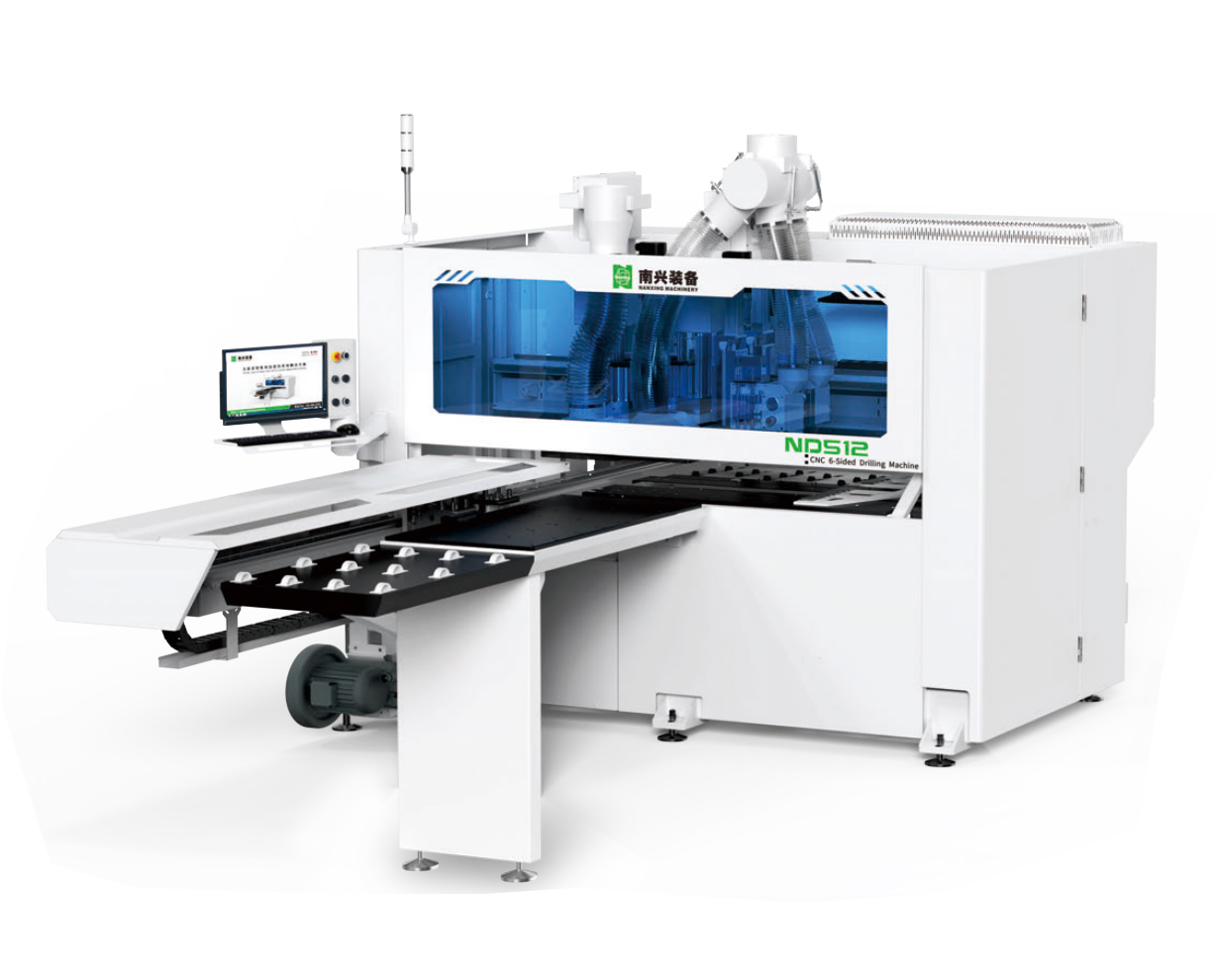
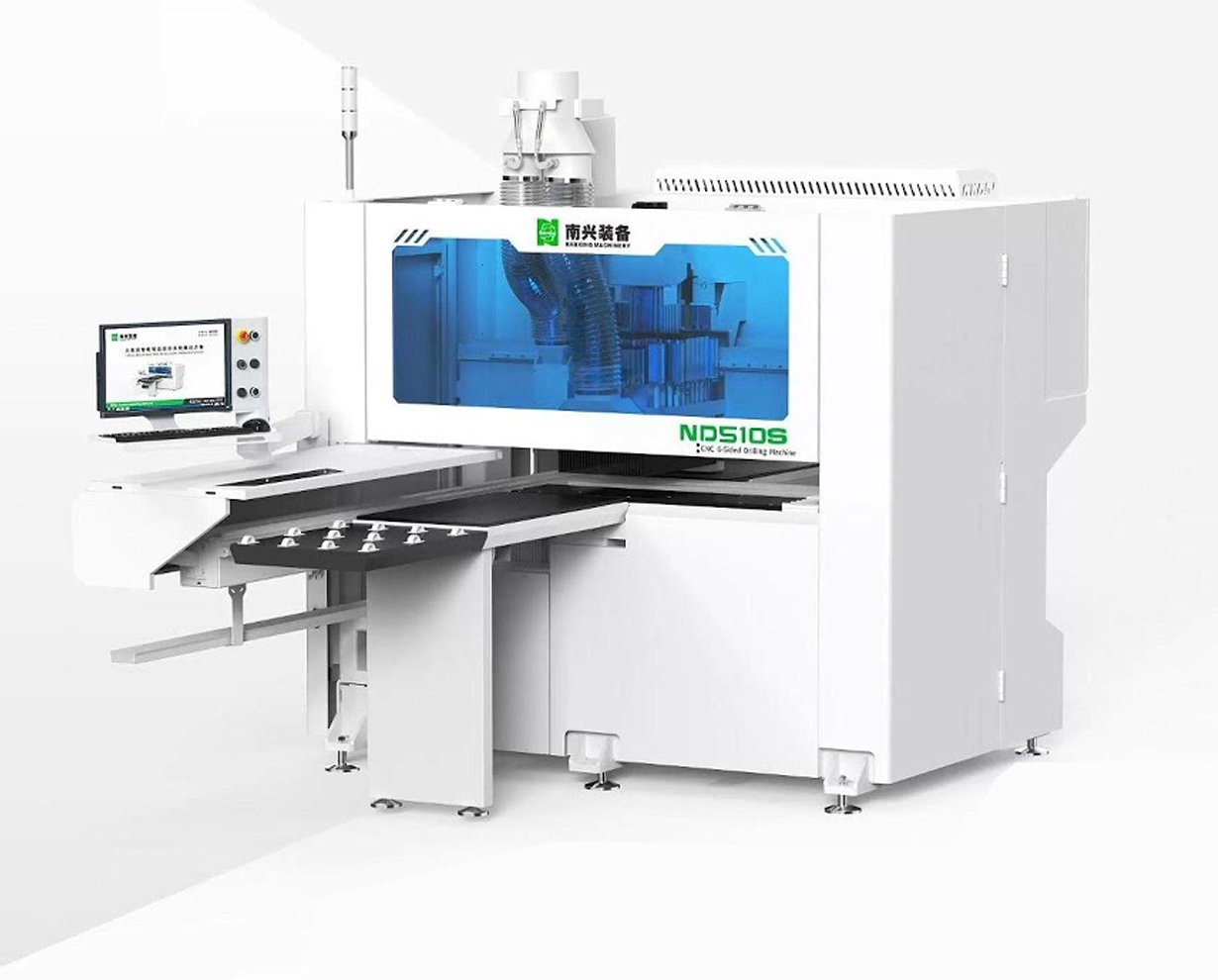
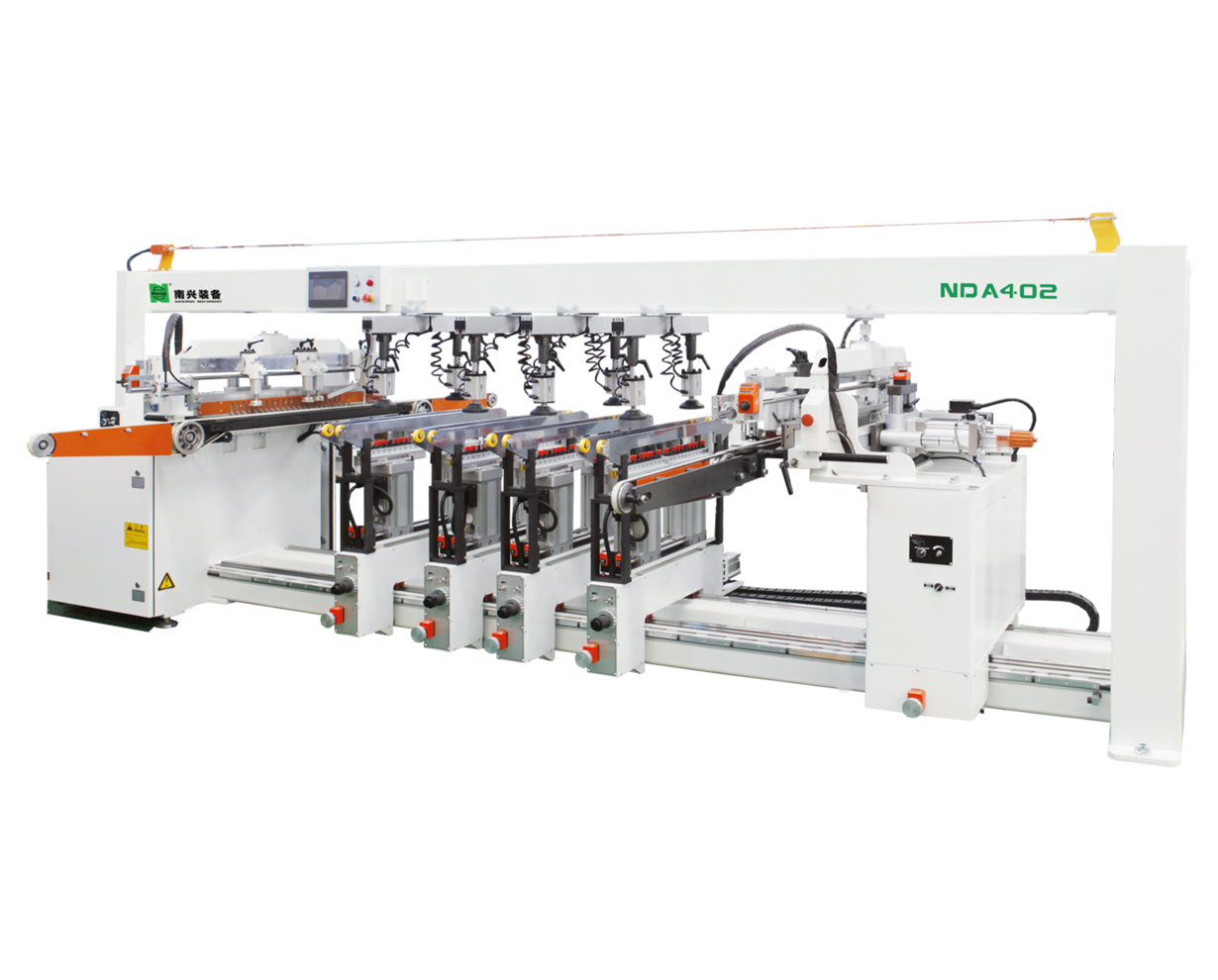
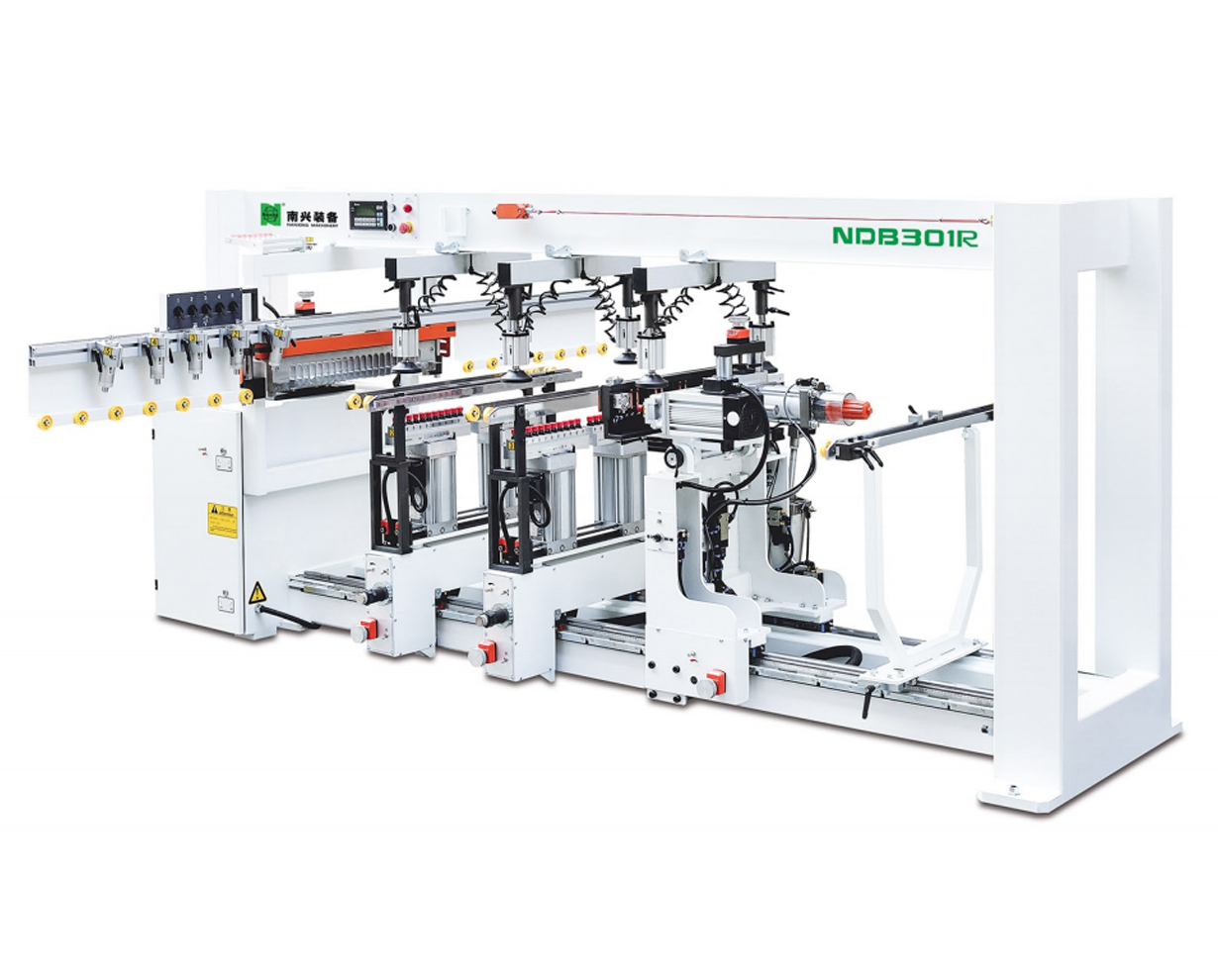
Why Choose Multi Boring / Drilling Machines from Caple ======================================== --- Health & Safety --- • Enclosed spindle heads with chip deflectors and extraction ports — Drilling chips are directed away from the operator and toward extraction rather than ejecting freely. You protect operators' eyes and breathing zone during continuous boring runs. (With open drill-press setups, chips eject unpredictably — a particular hazard during long panel runs with multiple holes.) • Clamp-and-drill interlocking — machine drills only when panel is fully clamped — The drilling cycle cannot start until the pneumatic clamps have confirmed panel hold. You eliminate panel movement during boring — the primary cause of misaligned holes and operator corrections. (With manually clamped drill presses, a partially seated panel can shift mid-cycle, causing injury and part rejection.) --- Quality --- • Multi-spindle heads with fixed 32 mm system pitch (Nanxing and Vitap) — All holes in a 32 mm system pattern are drilled simultaneously in one stroke. You get hardware-ready panels with ±0.1 mm positional accuracy — fittings go in first time without adjustment. (With manual drill-press boring, cumulative positional error across a long line of holes causes hinge mis-alignment and fitting failures at assembly.) • Depth stop with pneumatic control — consistent depth across all spindles — Blind holes for cam fittings and shelf pins are drilled to exactly the specified depth on every panel. You eliminate cam fittings that bottom out or shelf pins that rock. (With manual depth collars on drill presses, depth variation between spindles causes fitment problems that slow assembly and damage panel faces.) • Through-feed models (Vitap) eliminate manual panel repositioning — Panels are fed in one end and exit the other fully bored — no operator lifting, turning, or re-clamping. You get consistent hole positions even on heavy or large panels that are difficult to reposition accurately. (With single-pass machines where operators must flip and re-register panels, repositioning error is the most common source of boring defects.) --- Productivity --- • Up to 21 vertical and 4 horizontal spindles in a single machine (Nanxing) — A full carcass panel with shelf pin rows, cam holes, and back panel grooves is complete in one clamping cycle. You bore a kitchen carcass side panel in under 30 seconds. (With 5- or 7-spindle machines or single-head drill presses, the same panel requires multiple setups and repositioning — multiplying cycle time.) • Quick-change spindle blocks for different horizontal boring patterns — Changing from a hinge plate pattern to a cam-lock pattern takes under 5 minutes. You run mixed product types across a shift without a long machine reset. (With fixed-head multi borers, a product change requires the machine to be re-jigged — typically 30–45 minutes of non-productive time.) --- Reliability --- • Vitap (Italy) — purpose-built panel boring engineering with 40+ years of production lineage — Vitap machines run in high-volume Indian furniture factories. You buy a machine with a proven service life measured in decades of heavy use. (With unbranded multi borers, spindle bearings and pneumatic clamps fail within 2–3 years of two-shift operation — at exactly the point where your production depends on them most.) • Caple maintains Vitap and Nanxing boring machine spares — spindle cartridges, clamp cylinders, and feed drive components — Critical wear parts are available from Caple's Indian stock. You restore the machine to production within a day of a component failure. (With imported machines supported only by a sales agent, a single failed spindle cartridge can shut down your boring station for weeks.) --- ROI --- • One multi borer replaces 3–5 operators on manual drill presses for the same output — Labour saving at Indian wage rates pays back the machine in 24–36 months at typical furniture factory volumes. You also eliminate the rework cost from manual boring errors. (With drill-press boring, labour cost and error rate both scale with volume — the problem gets worse as you grow.) • Pneumatic and motor circuits sized for Indian 3-phase 415V with voltage tolerance built in — The machine operates within normal Indian grid variation without nuisance trips or PLC faults. You avoid the downtime cost of voltage-related shutdowns common with non-India-rated machinery. (With machines spec'd for stable 400V European supply, Indian grid variation triggers control faults that require an electrician to reset — losing production hours.) --- Trust --- • Caple provides panel boring layout consulting as part of the sale — Caple's application team reviews your product drawings and specifies the correct spindle configuration before purchase. You receive a machine configured for your actual product — not the closest standard model. (With transactional dealers, you receive a catalogue machine and discover mismatches with your product only after installation.) • Live boring demonstrations at Caple centres — run your panel drawings — Bring your carcass panel design and watch it drilled on the machine before you buy. You verify accuracy, cycle time, and hole pattern on your own product. (With dealers who only show machine spec sheets, real-world boring accuracy for your specific pattern is an unknown until after delivery.) --- Why Caple --- Authorised dealer since 1974. 7 demo centres across India. Installation, training, and lifetime service included. Ask for a live demo at your nearest Caple centre.
What Is a Multi Boring Machine and Does Your Furniture Workshop Need One?
Walk through any furniture factory producing cabinets or wardrobes and you will see the same repetitive operation: drilling holes for hinges, shelf pins, dowels, and hardware connectors. These holes must be positioned accurately, drilled consistently, and produced at volume without slowing down the line. The machine designed specifically for this task is the multi boring machine — and understanding what it does, and when it makes sense to own one, can significantly affect both your production efficiency and your part quality. Caple Industrial Solutions supplies multi boring machines from Vitap (Italy) and Nanxing (China) and has helped furniture factories across India integrate boring machinery into their production lines.
What Is a Multi Boring Machine?
A multi boring machine (also called a multiple spindle boring machine, multi borer, or multi drill) is a woodworking machine designed to drill multiple holes simultaneously in a panel. The holes are positioned according to a fixed or adjustable drilling pattern, with spindles spaced at standard intervals — most commonly on a 32mm system, which is the modular spacing system used in European-style cabinet hardware (hinges, drawer slides, shelf pins, and connectors all reference the 32mm grid).
In a single machine cycle, the operator positions the panel, activates the machine (usually via foot pedal or pneumatic clamp), and all spindles drill simultaneously. The panel is then repositioned for the next row of holes or the next face, and the cycle repeats. This is fundamentally faster and more consistent than drilling each hole individually with a single-spindle machine or a handheld drill.
What Holes Does a Multi Boring Machine Drill?
In cabinet and wardrobe production, the following holes are drilled as standard operations:
- Hinge cup holes: 35mm diameter blind holes drilled into the door or cabinet panel face for concealed hinges (Blum, Grass, Hettich, and similar). These must be precisely positioned for the hinge to function correctly.
- Shelf pin holes: A row of 5mm holes drilled at 32mm spacing on both side panels of a cabinet, allowing shelf height adjustment
- Dowel holes: Used for cabinet assembly and structural joints
- Hardware connector holes: For cam locks, confirmat screws, and other system connectors used in flat-pack furniture assembly
- Drawer slide screw holes: Holes for mounting undermount or side-mount drawer slides at precise heights
All of these are repeated on every single panel in the production run. The accumulated time saving from multi boring versus single-spindle drilling is significant at any meaningful production volume.
Comparing Drilling Methods
Drilling by Hand (Handheld Drill)
In very small workshops or for one-off custom work, a handheld drill with a jig or template is a viable approach. The limitations are consistency (jig wear introduces cumulative error), speed (one hole at a time), and physical demand on the operator. At any production scale, hand drilling is a bottleneck. It is also the most common cause of mis-drilled panels — holes in the wrong position, wrong depth, or at an angle — which result in hardware that does not align or function correctly.
Single-Spindle Drilling Machine
A single-spindle (or bench-top) drill press is faster than a handheld drill and provides more consistent depth control, but still drills one hole per cycle. Without a multi boring head, drilling a full cabinet side panel — with two rows of shelf pin holes (typically 16–24 holes per row) plus hinge holes — requires dozens of individual drill operations per panel. At production volumes, this is slow.
Multi Boring Machine — Single Head