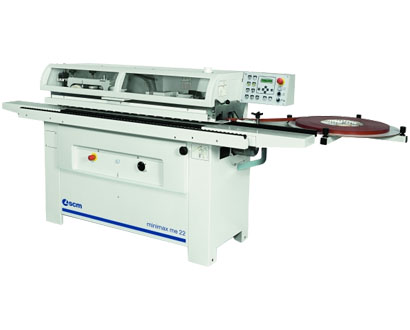
Automatic Edge Banding Machine Configuration Guide for Furniture Manufacturers
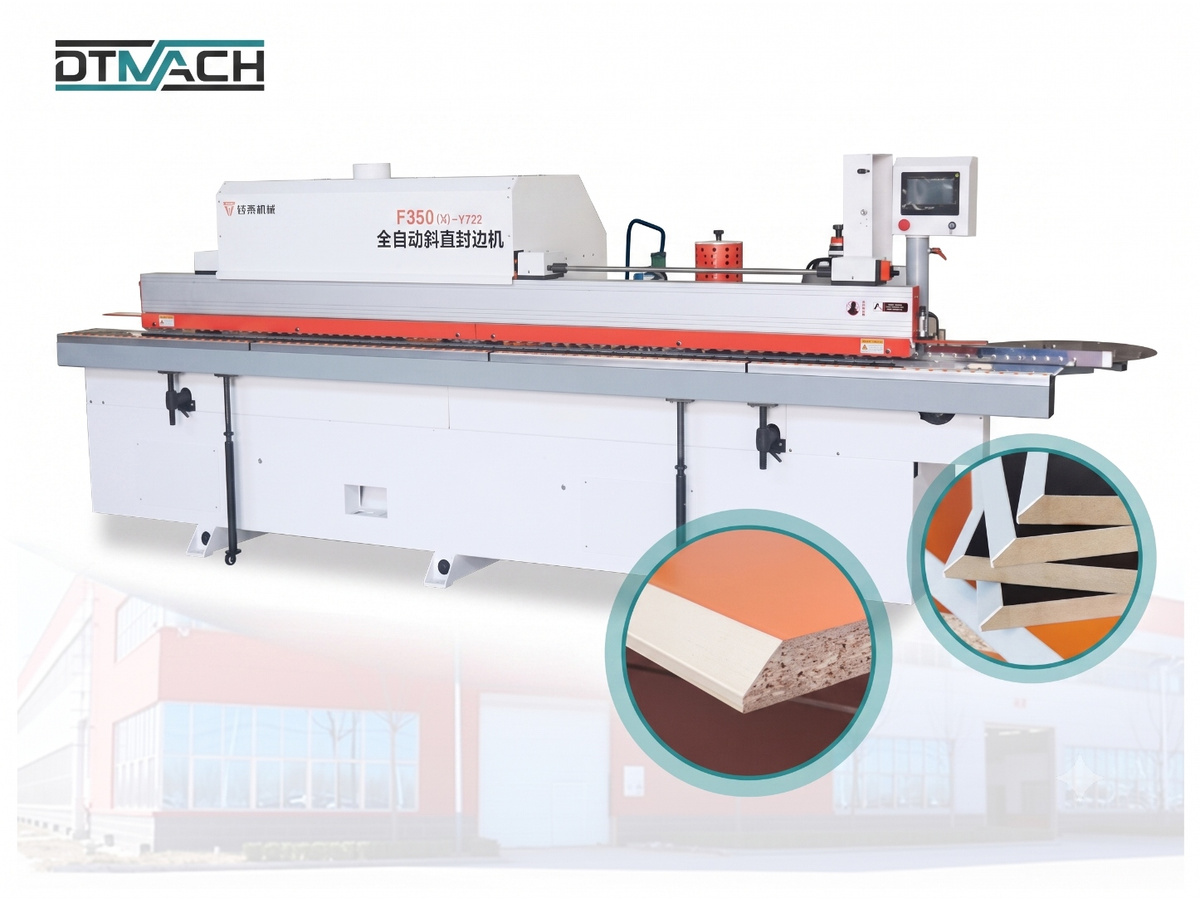
When choosing an Automatic Edge Banding Machine, the machine’s origin—whether Indian, Chinese, or European—is not the main factor. What matters most is reliability, service support, correct configuration for your production, quality of output, and productivity. A properly configured Edge Banding Machine, backed by strong local service and spare parts support, will often outperform a premium-brand machine that is not matched to actual factory requirements. For manufacturers of modular kitchens, modular wardrobes, office furniture, home furniture, doors, and solid wood furniture, the right machine configuration improves finish quality, reduces downtime, and increases output per shift.
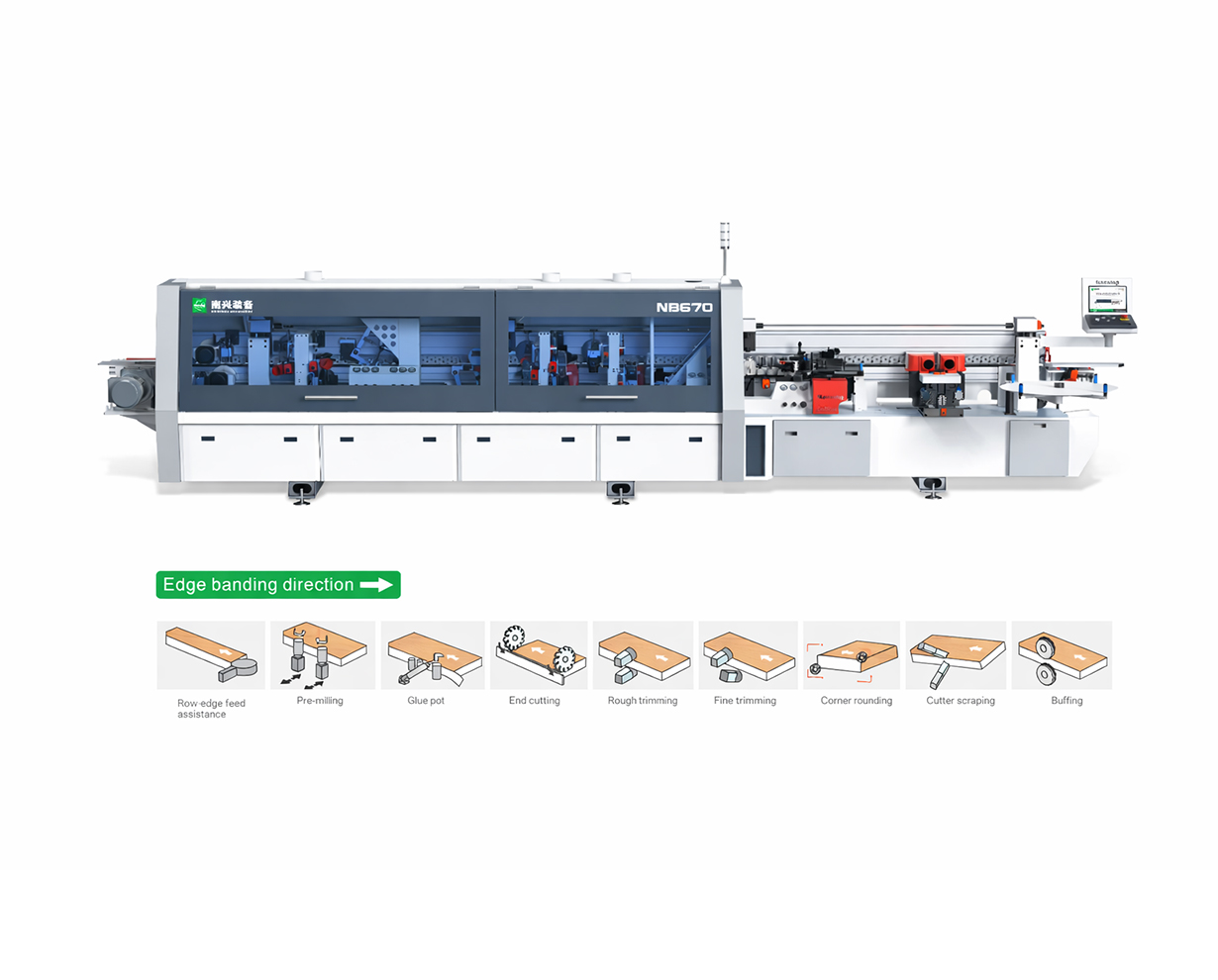
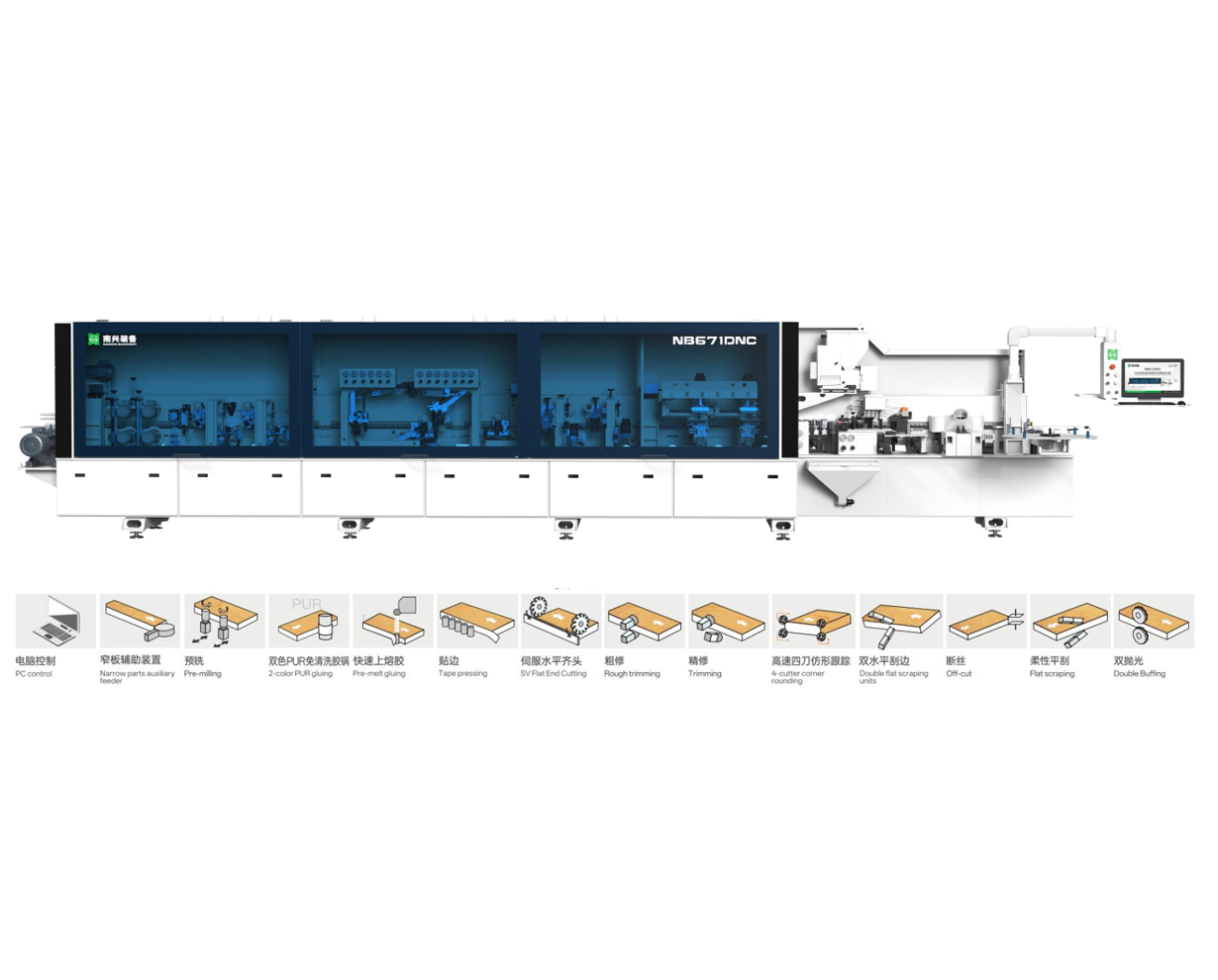
An Automatic Edge Banding Machine is not just a machine that sticks tape on a board. It is a complete finishing system made up of pre-milling, gluing, pressing, end cutting, trimming, corner rounding, scraping, and buffing. The final edge quality depends on the configuration and performance of each of these units. If one stage is weak, the finished panel quality suffers. That is why machine specification matters more than brand name or country of origin.
One of the most important units in any automatic edge bander is pre-milling. Pre-milling uses two counter-rotating diamond cutterheads to remove around 0.5 to 2 mm from the raw panel edge before glue is applied. This removes saw marks, burrs, and taper, creating a clean and uniform surface for better bonding. In practice, an edge bander cannot correct a poor saw cut. If the raw edge is uneven, the glue line and finish will suffer. That is why pre-milling is essential for strong bonding and a clean final finish.
The gluing system is one of the most important configuration choices in an Automatic Edge Banding Machine. The usual choice is between EVA glue and PUR glue. EVA is suitable for standard furniture because it is easier to clean and manage, but it creates only a physical bond, has moderate moisture resistance, softens at lower temperatures, and leaves a more visible glue line. PUR creates a chemical cross-linking bond, offers much better heat and moisture resistance, and produces a thinner, near-invisible glue line. For modular kitchens, bathroom furniture, premium wardrobes, premium doors, and solid wood edge banding, PUR glue is generally the better choice. It gives stronger bonding, waterproof performance, and a cleaner appearance. A gravitational glue pot improves performance by reducing glue carbonisation and making colour change easier, while a double glue pot allows quick switching between colours or glue types with almost no downtime.
After gluing, trimming and corner rounding determine the final profile and appearance. Rough trimming protects the fine trimming tools and removes excess edge material, while fine trimming creates the final profile such as R1, R1.5, R2, or R4. Corner rounding may be available in 1-motor, 2-motor, or 4-motor versions. The key rule is that cutters must move inward; outward cutting causes splintering. In practice, a dual-motor butterfly corner rounding unit is widely preferred for cleaner, splinter-free corners and consistent quality.
Scraping and buffing are the final finishing stages. Radius scrapers remove small ridges from the tape edge, glue scrapers remove adhesive residue from the panel face, and buffing units improve shine and smoothness. These units are especially important in premium furniture production, where even small marks reduce perceived quality. For white panels and light-coloured furniture, double buffing is especially useful because imperfections are more visible.
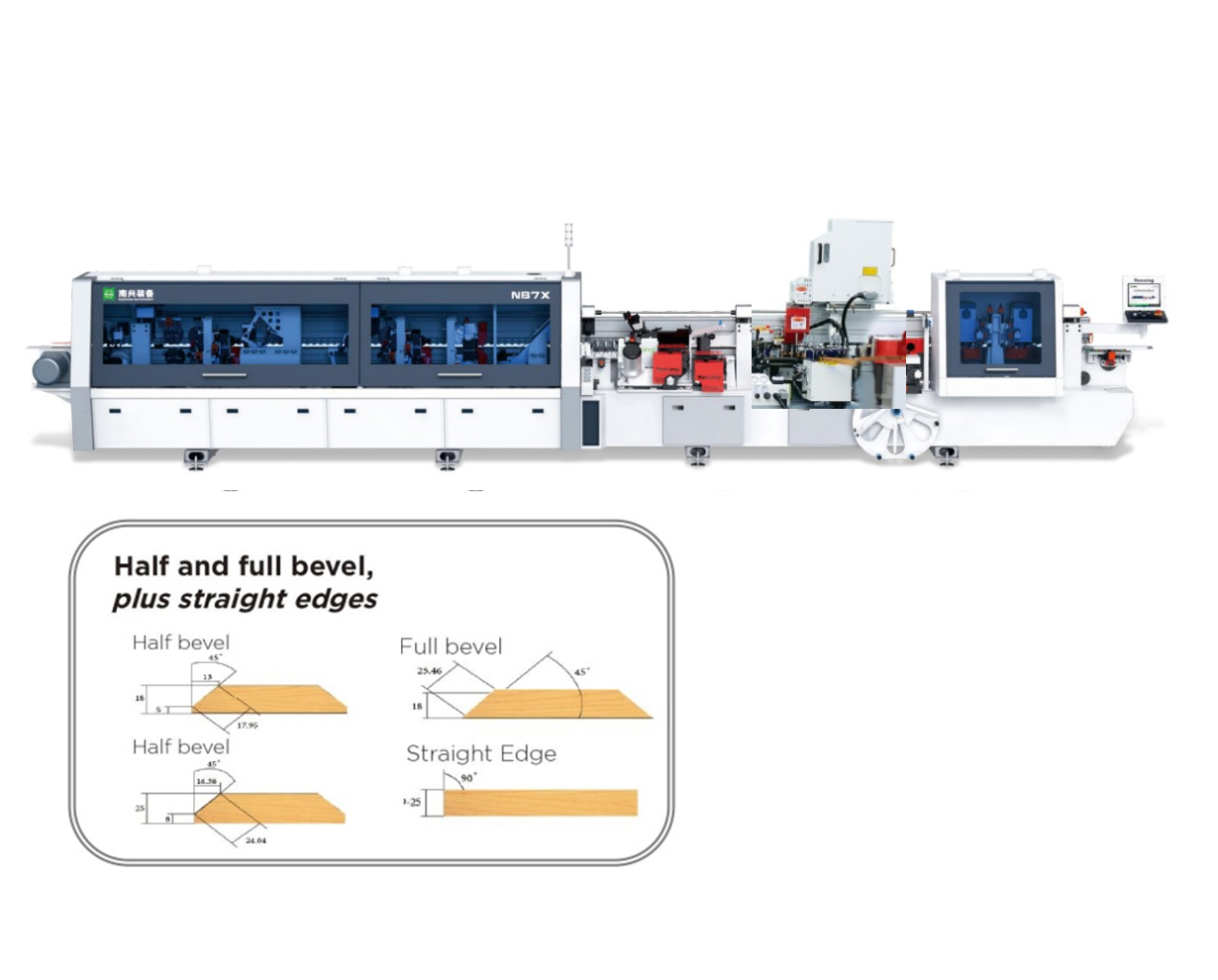
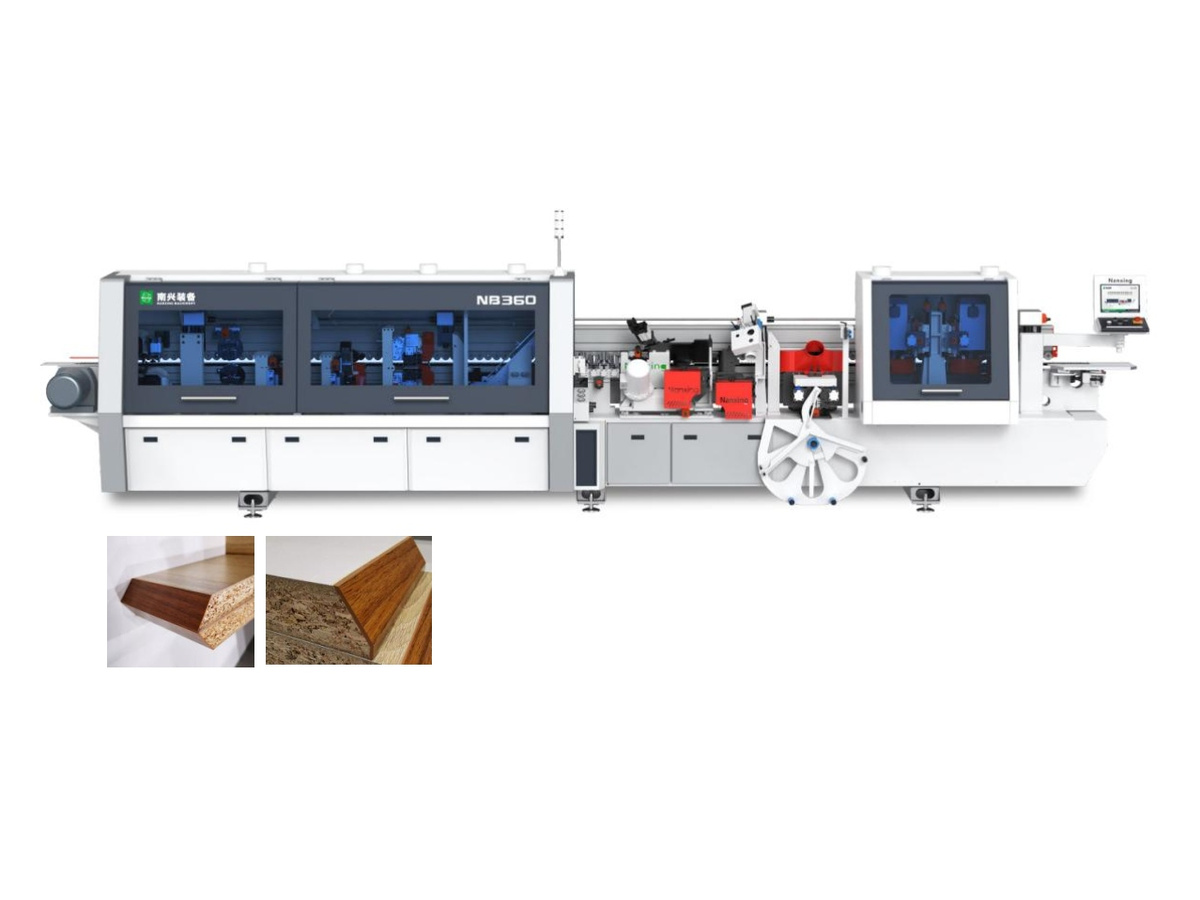
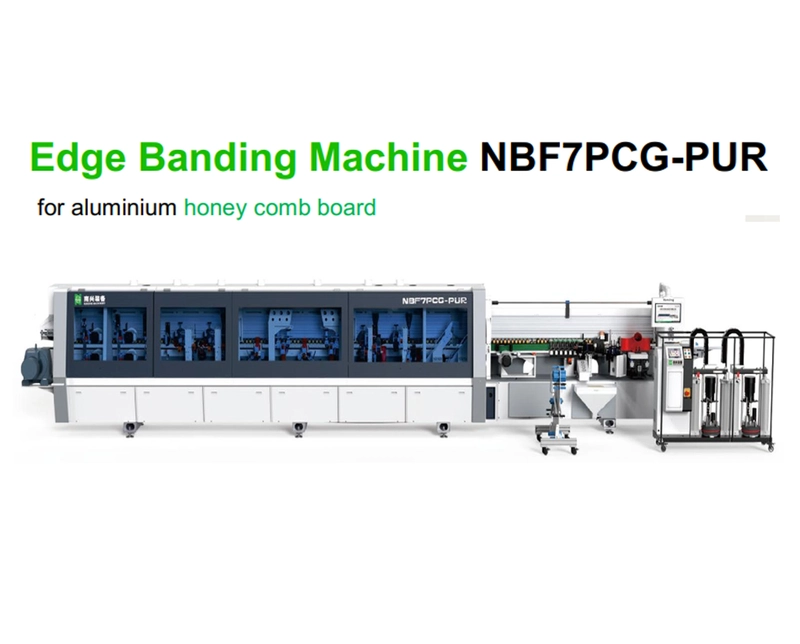
Different applications need different machine configurations. In solid wood edge banding, where strips may be up to 12 mm thick, PUR glue is strongly recommended because it creates a durable yet flexible bond that can handle seasonal wood movement. Important features include pre-milling, pre-melter, 2-motor corner rounding, and panel pre-heating, especially in humid or monsoon conditions. In bevel edge banding, the machine must process straight edges, half-bevel edges, and full 45-degree bevel edges. Combination machines that switch between these modes at the push of a button reduce setup time and improve flexibility. In honeycomb panel edge banding, a standard machine is not enough because glue passes through the open cells and does not grip properly. The correct process requires a perforated support strip, PUR adhesive, and then the decorative edge tape. Any buyer planning to process honeycomb panels should confirm this specialist configuration before purchase.
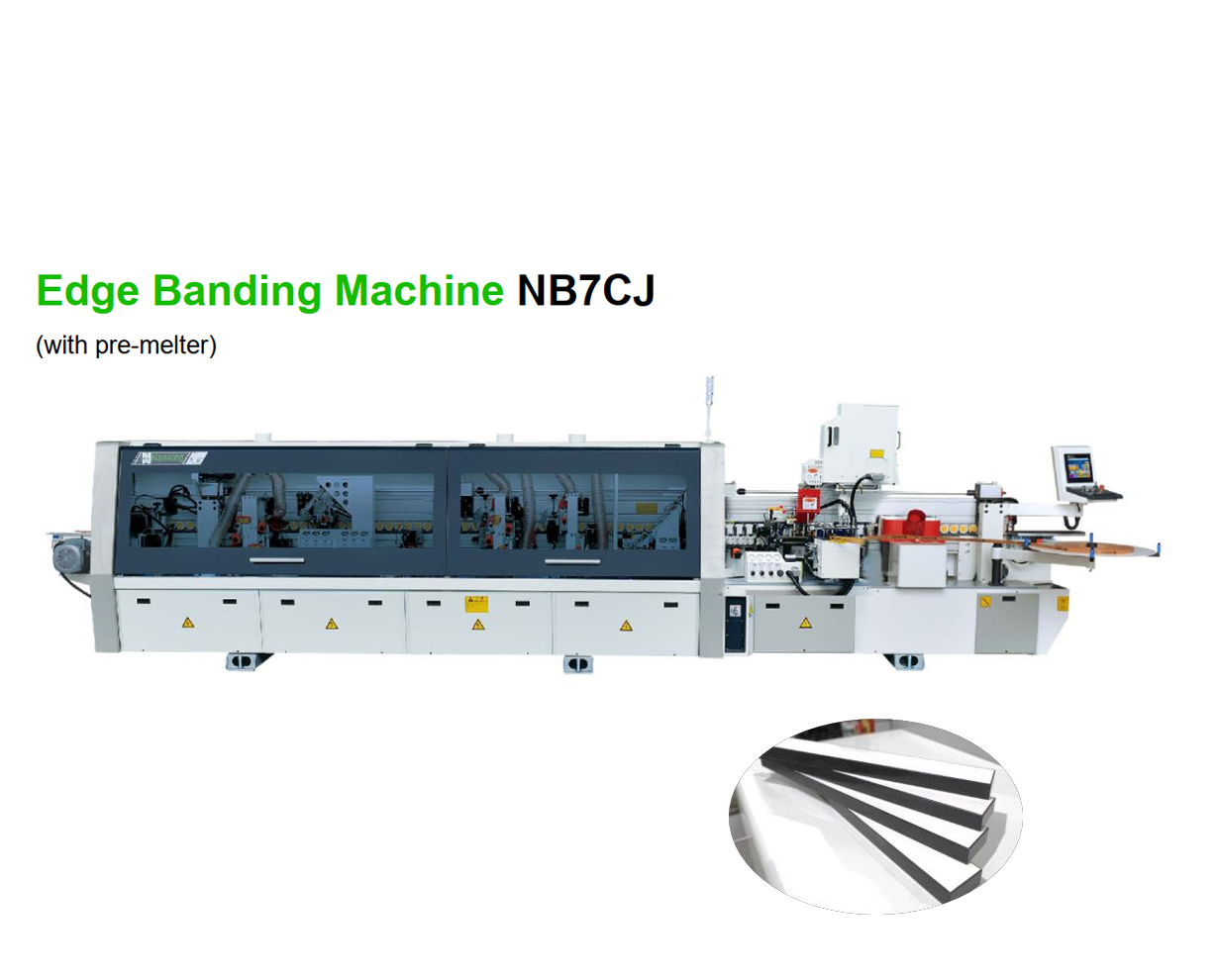
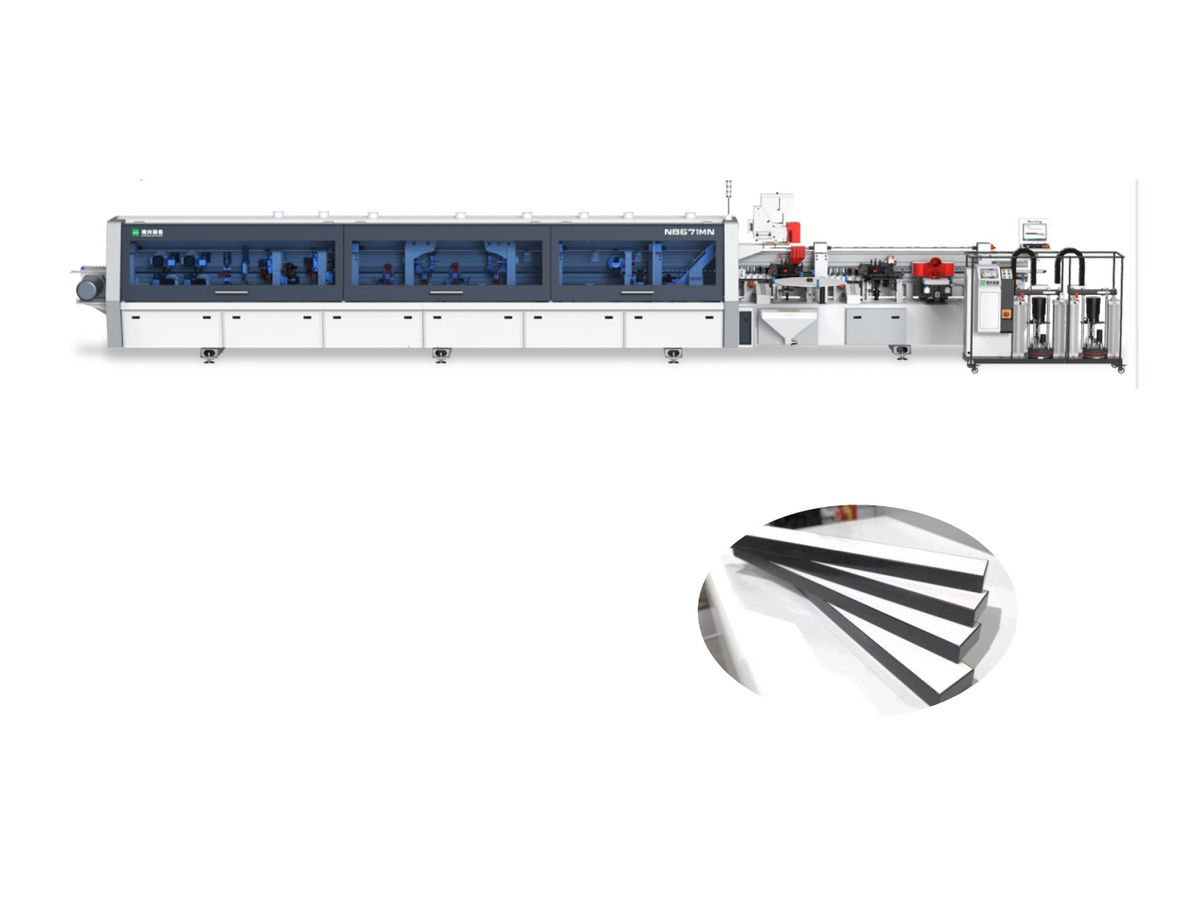
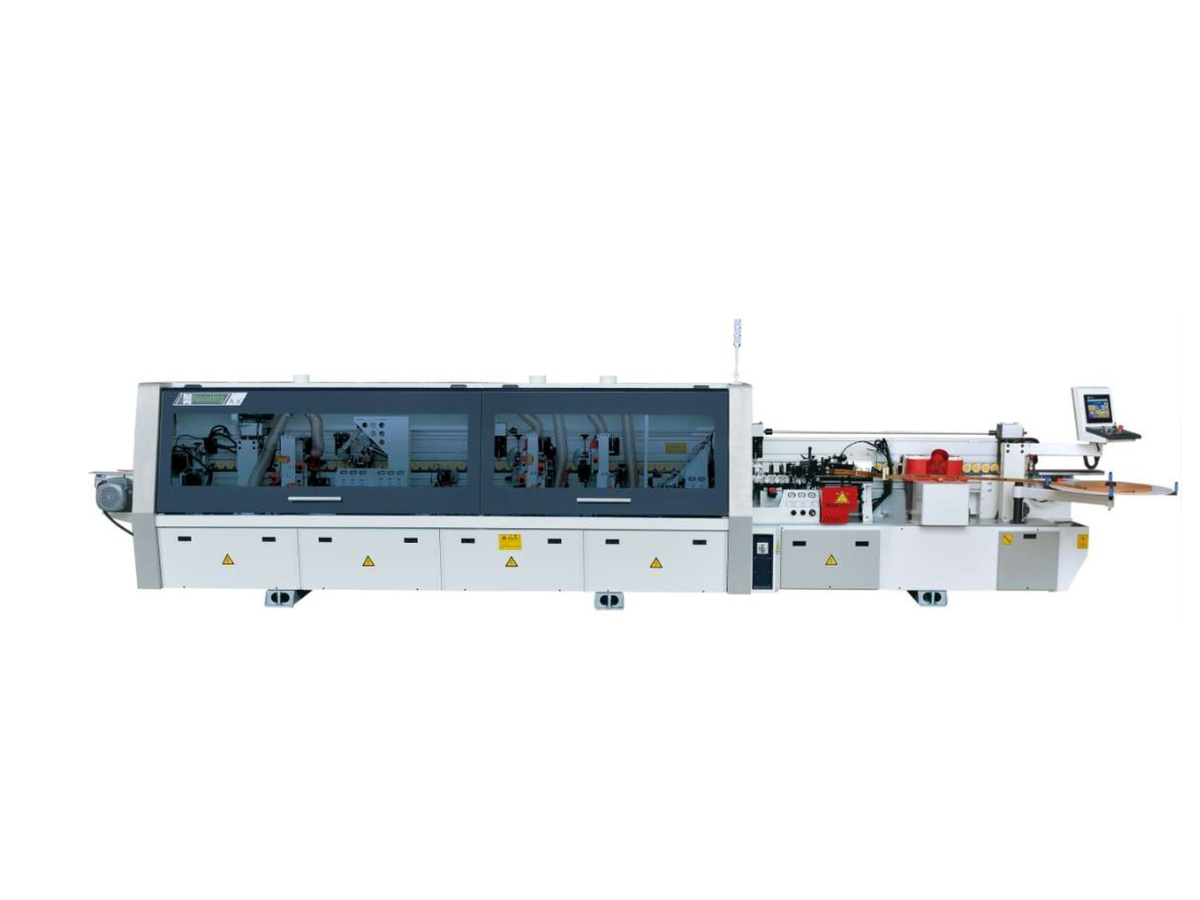
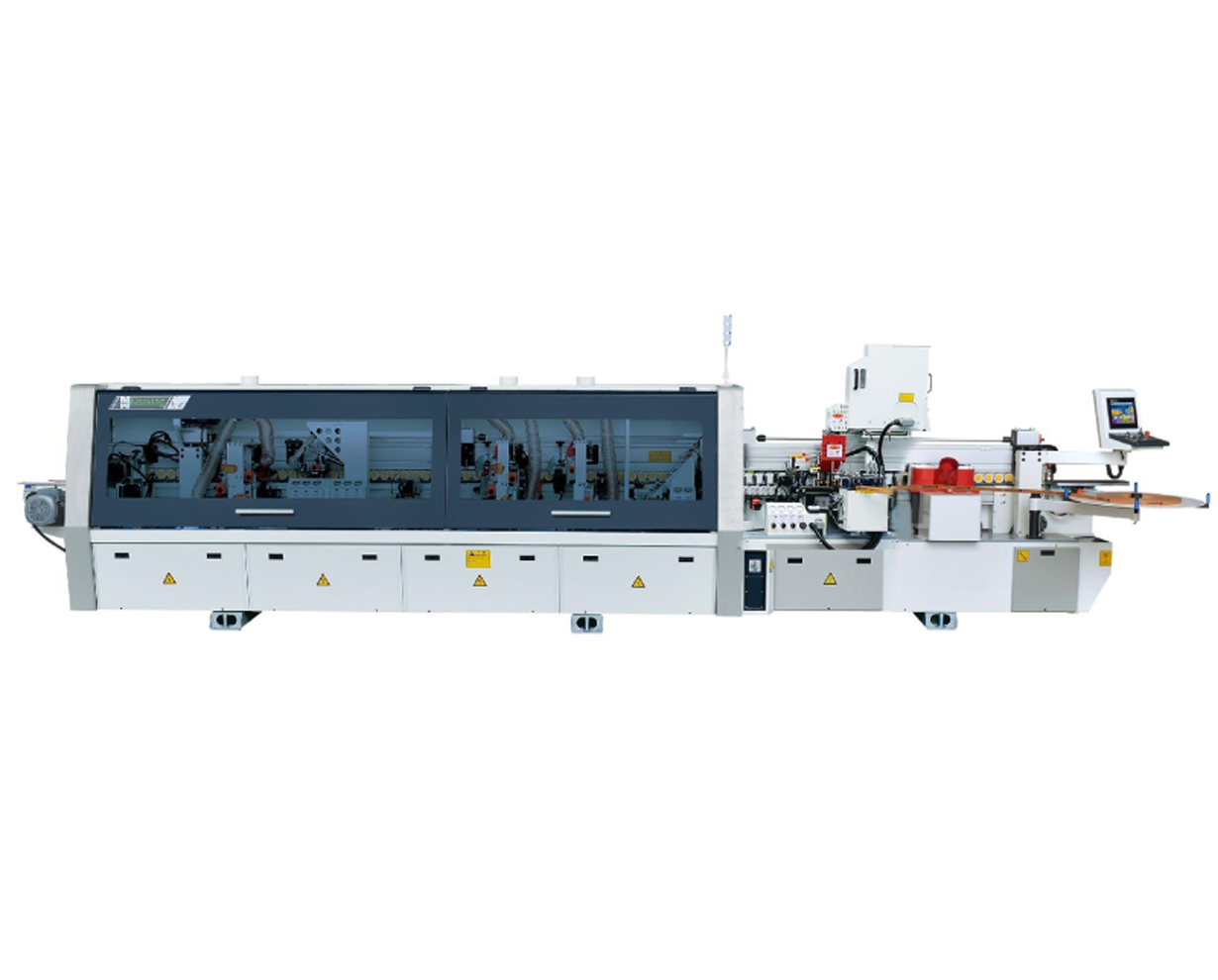
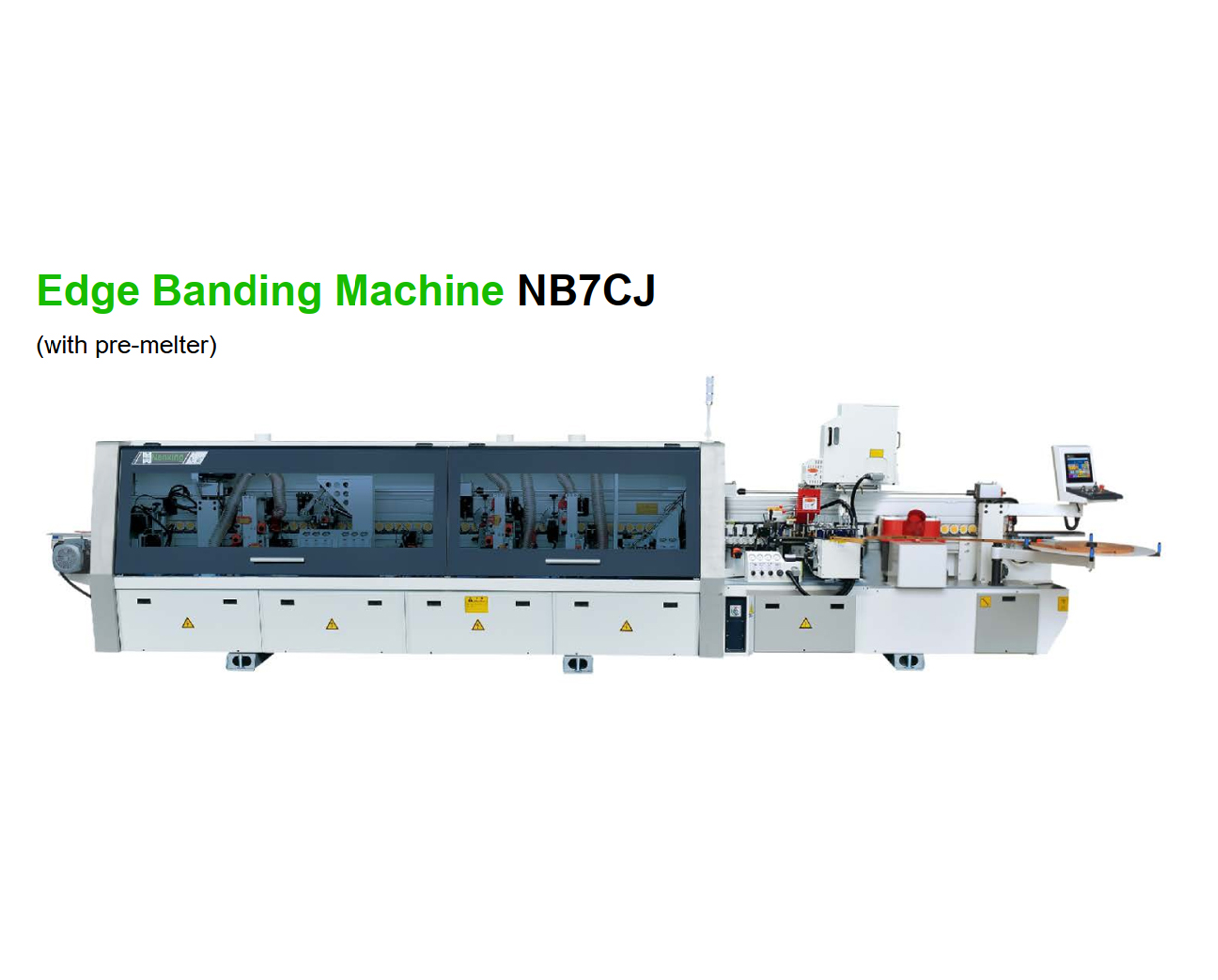
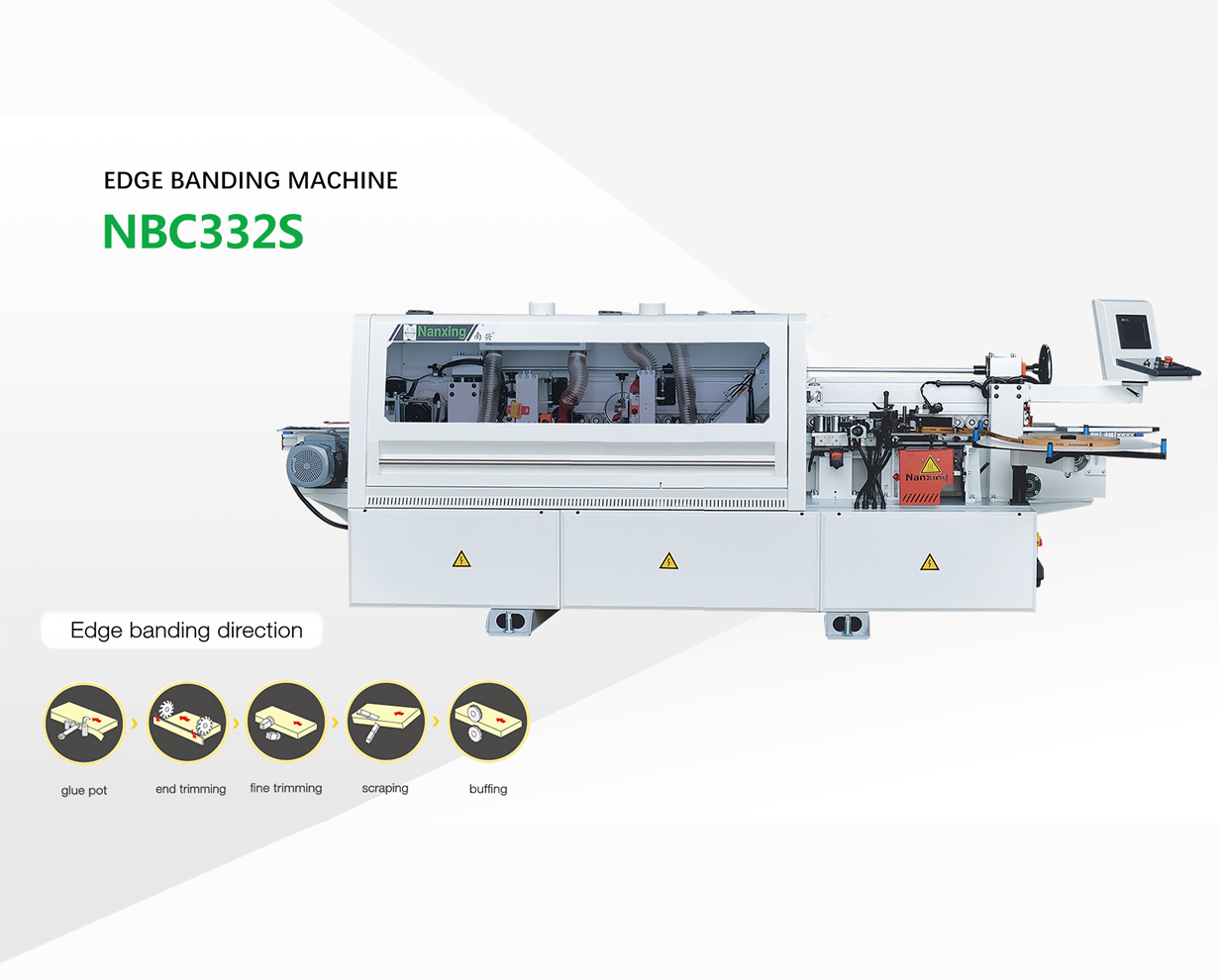
Choosing the right machine also depends on production scale. The NB332S is well suited for compact carcass production, offering essential units in a smaller footprint. The NB7CJ is ideal for small workshops needing a more complete solution with pre-milling, corner rounding, solid wood capability, and PUR readiness. The NB7CJMN suits larger workshops and factories processing narrow parts, thanks to its dual glue system, higher flexibility, and capability for parts down to 40 mm. The NB370 is best for factories needing both straight and bevel edge banding, with one-button switching between straight, half-bevel, and full 45-degree processing. The best machine is therefore the one correctly matched to the factory’s product mix, batch size, edge material, glue requirement, and production flow.
Many buyers also ask practical questions about machine performance and long-term ownership. An Edge Banding Machine applies PVC, ABS, melamine, veneer, or solid wood edging to exposed edges of MDF, particleboard, plywood, and furniture panels, but the quality of the result depends on all working units, not only the glue section. When comparing EVA vs PUR, EVA remains acceptable for standard furniture, while PUR is preferred for premium, heat-resistant, and moisture-resistant applications. Servo-controlled edge banders improve productivity by allowing quick adjustments from the touchscreen, often with recipe storage, reducing changeover time compared with manual or pneumatic systems. For manufacturers processing narrow furniture components, the right narrow part system can allow panel widths down to 40 mm, which is important because many kitchen and wardrobe parts fall into this range. Spare parts cost should also be evaluated seriously. Over the life of the machine, parts cost may reach 200% to 400% of machine value, so local availability of parts and service support is critical.
For manufacturers of modular kitchens, modular wardrobes, office furniture, home furniture, and solid wood furniture, the right machine should deliver high productivity, reliable bonding, consistent finish quality, lower downtime, easy changeover, strong service support, and long-term value.
Caple helps furniture manufacturers choose the right machine for modular kitchen production, wardrobe manufacturing, office furniture, home furniture, and solid wood furniture applications.