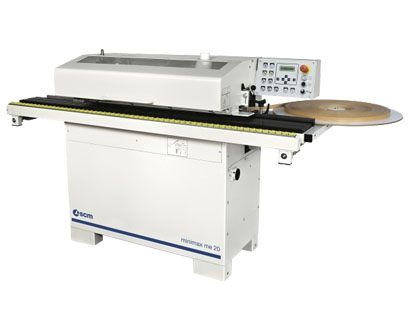
Automatic edge banding machines for furniture and modular kitchen manufacturing. Caple Industrial Solutions is the authorised dealer for professional edge banding machines in India. Our range includes fully automatic edge banders, PUR glue edge banders, portable edge banding machines, and semi-automatic curvilinear edge banders. Suitable for PVC, ABS, veneer, and acrylic edge tapes. Used by cabinet makers, kitchen manufacturers, and panel furniture factories. Keywords: automatic edge banding machine, edge banding machine India, fully automatic edge banding machine, PVC edge banding machine, edge bander India, edge banding machine price, PUR glue edge bander, modular furniture edge bander.
How to Choose an Edge Banding Machine in India — Complete Buyer's Guide
Edge banding is one of the most visible indicators of furniture quality. A cleanly banded edge with a tight, flush tape and no glue line looks professional. A poorly banded edge — with lifting tape, visible glue beads, or uneven trimming — undermines even well-made carcasses. The machine you choose largely determines which outcome you get at production scale. This guide covers everything a buyer needs to evaluate edge banding machines in India: machine types, key technical specifications, glue system options, and how to match machine capability to your production volume. Caple Industrial Solutions has been supplying edge banders from Nanxing and SCM since the company's early decades and can arrange live machine demonstrations before purchase.
Types of Edge Banding Machines
Edge banding machines fall into three broad categories. Understanding the differences prevents a costly mismatch between machine capability and production demand.
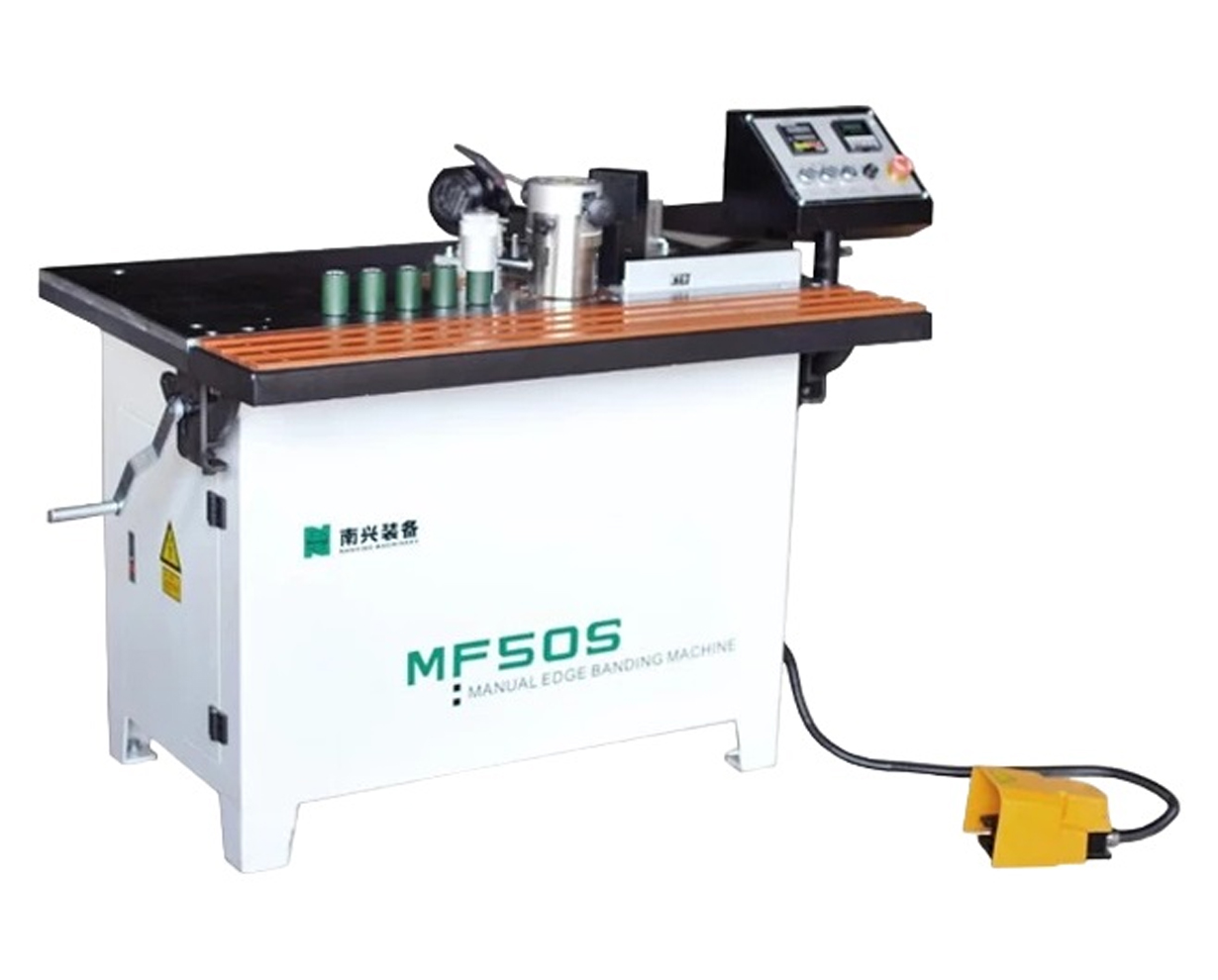
Manual Edge Banders
A manual edge bander applies tape to one edge at a time with operator-controlled movement. The machine heats the glue pot, applies adhesive, and presses the tape onto the panel edge — but trimming, scraping, and buffing are done by hand or with separate handheld tools. Manual machines are low-cost entry points for very small workshops or prototyping setups, but they cannot deliver the consistent finish quality required for production-scale furniture. Glue lines are inconsistent, end trimming is imprecise, and throughput is low.
Semi-Automatic Edge Banders
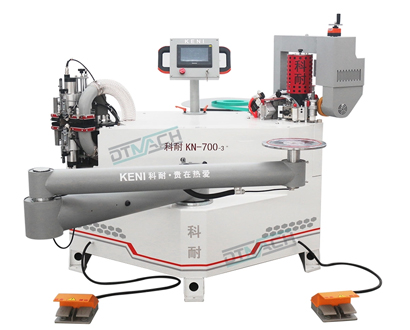
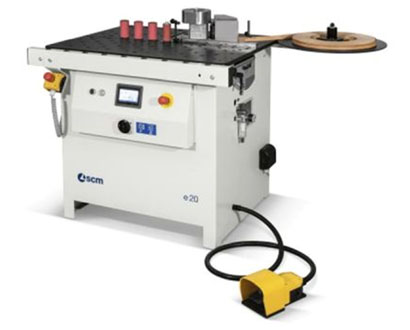
Semi-automatic machines automate the gluing and feed process but still require manual end-trimming and often have fewer finishing stations than fully automatic machines. They occupy a middle ground — better than manual for consistency, but slower and less refined than a through-feed automatic. They suit very small factories with modest throughput requirements and limited budgets.
Fully Automatic Through-Feed Edge Banders
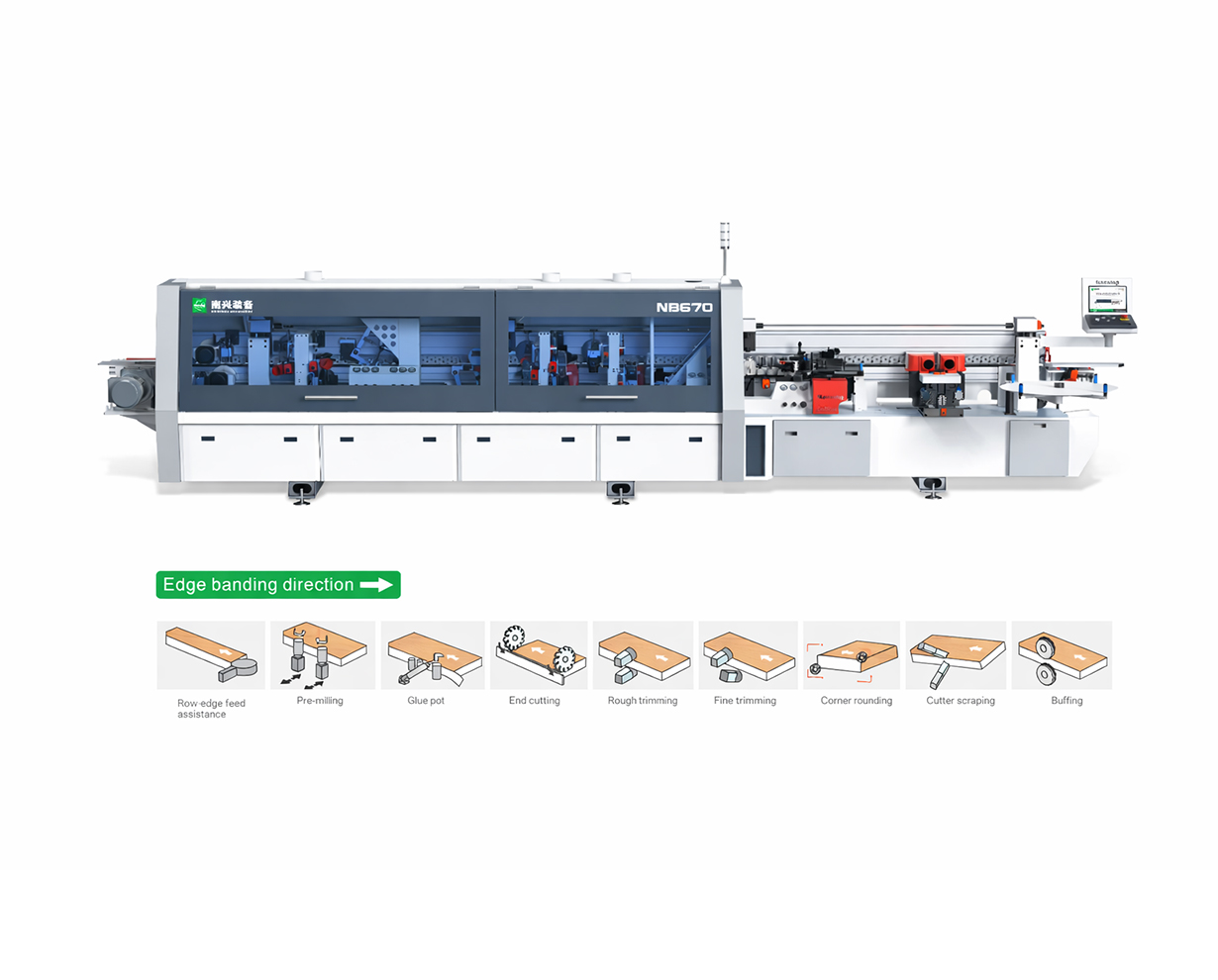
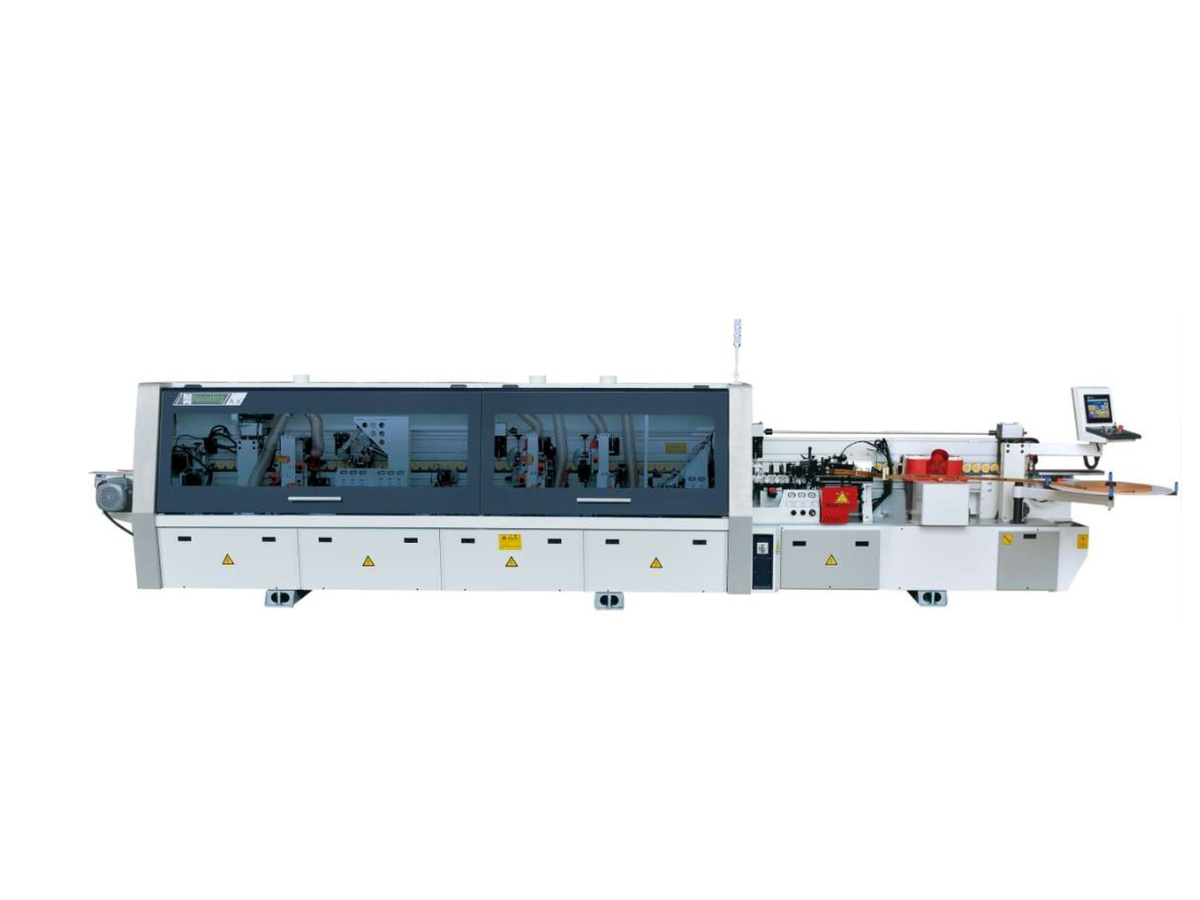
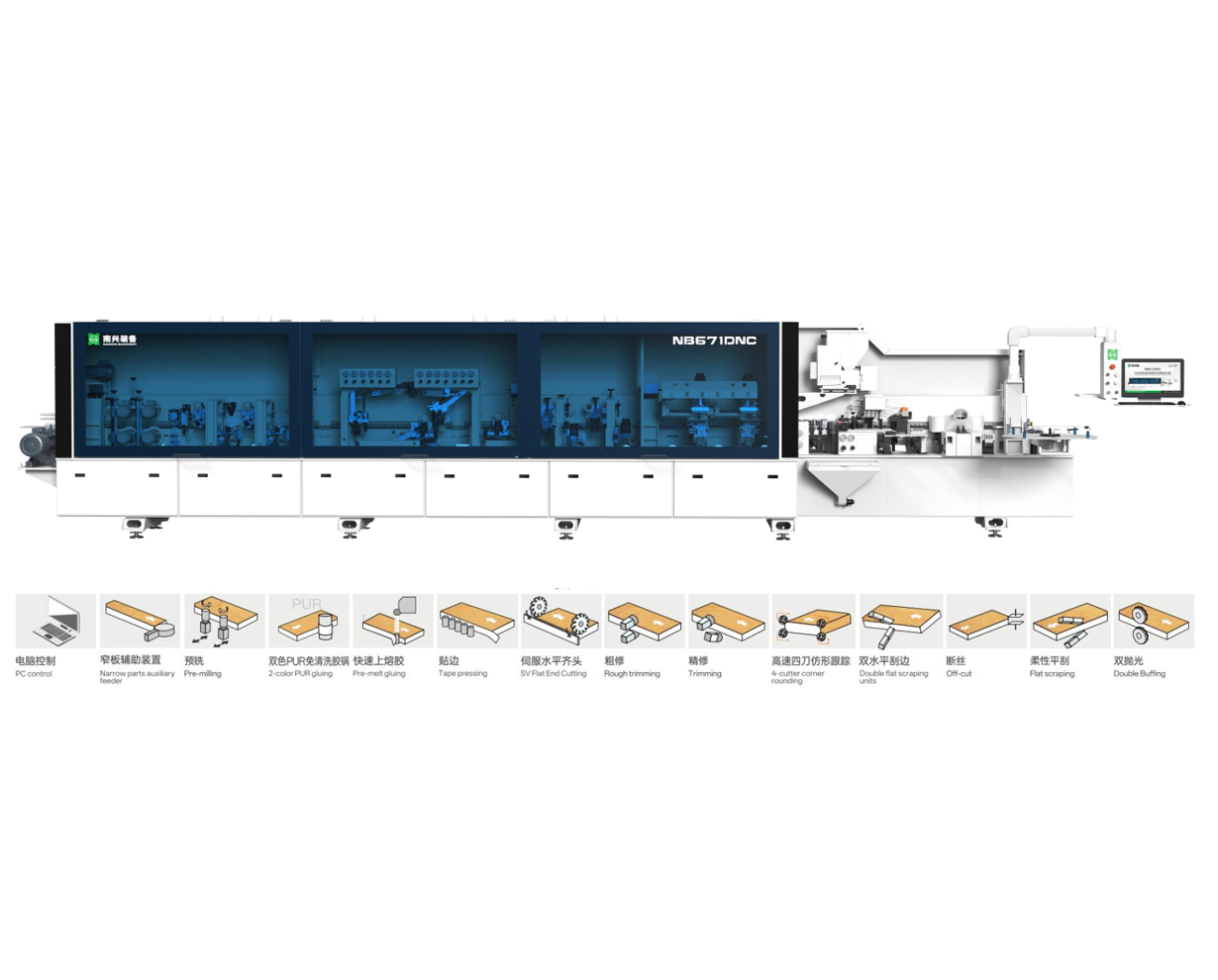
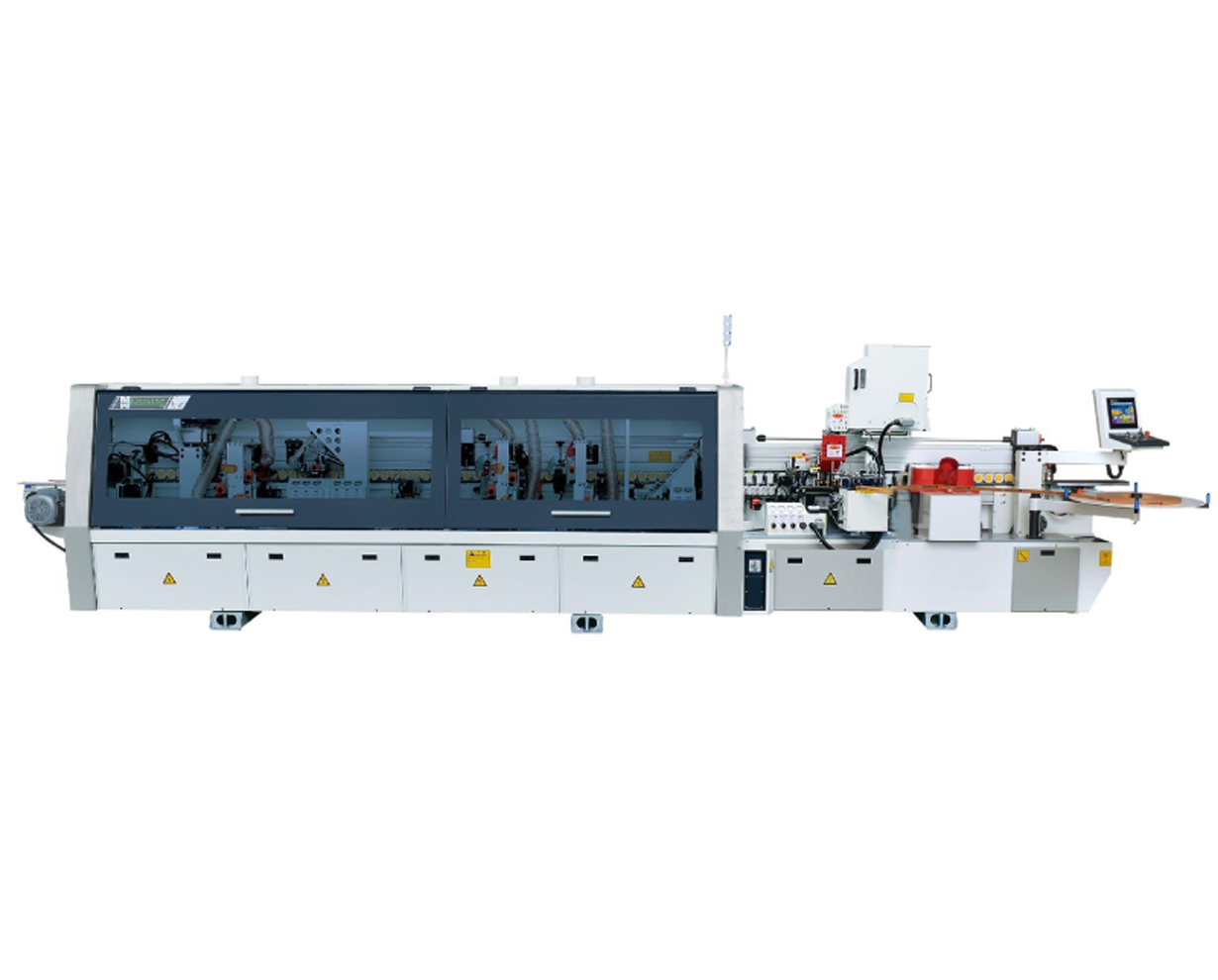
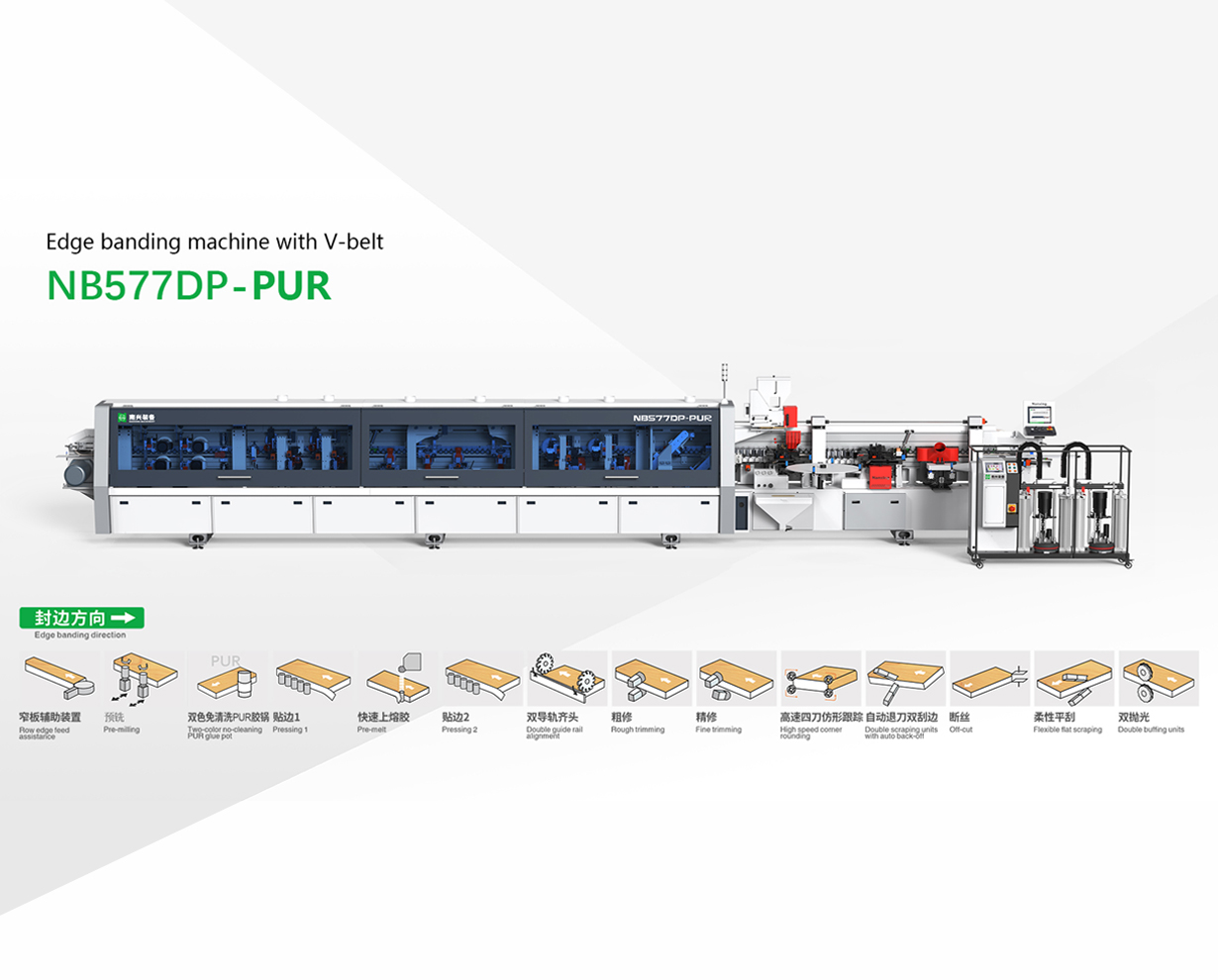
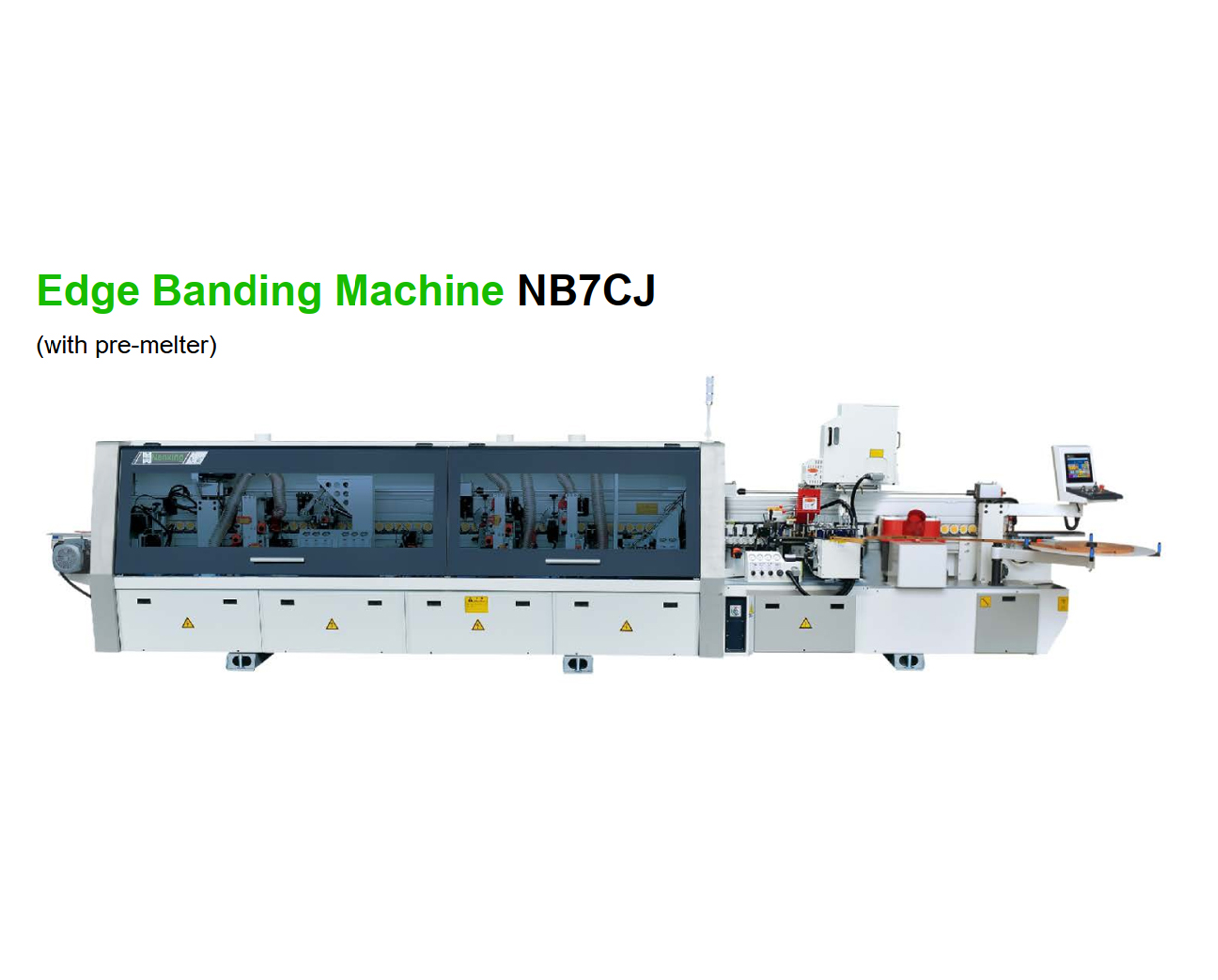
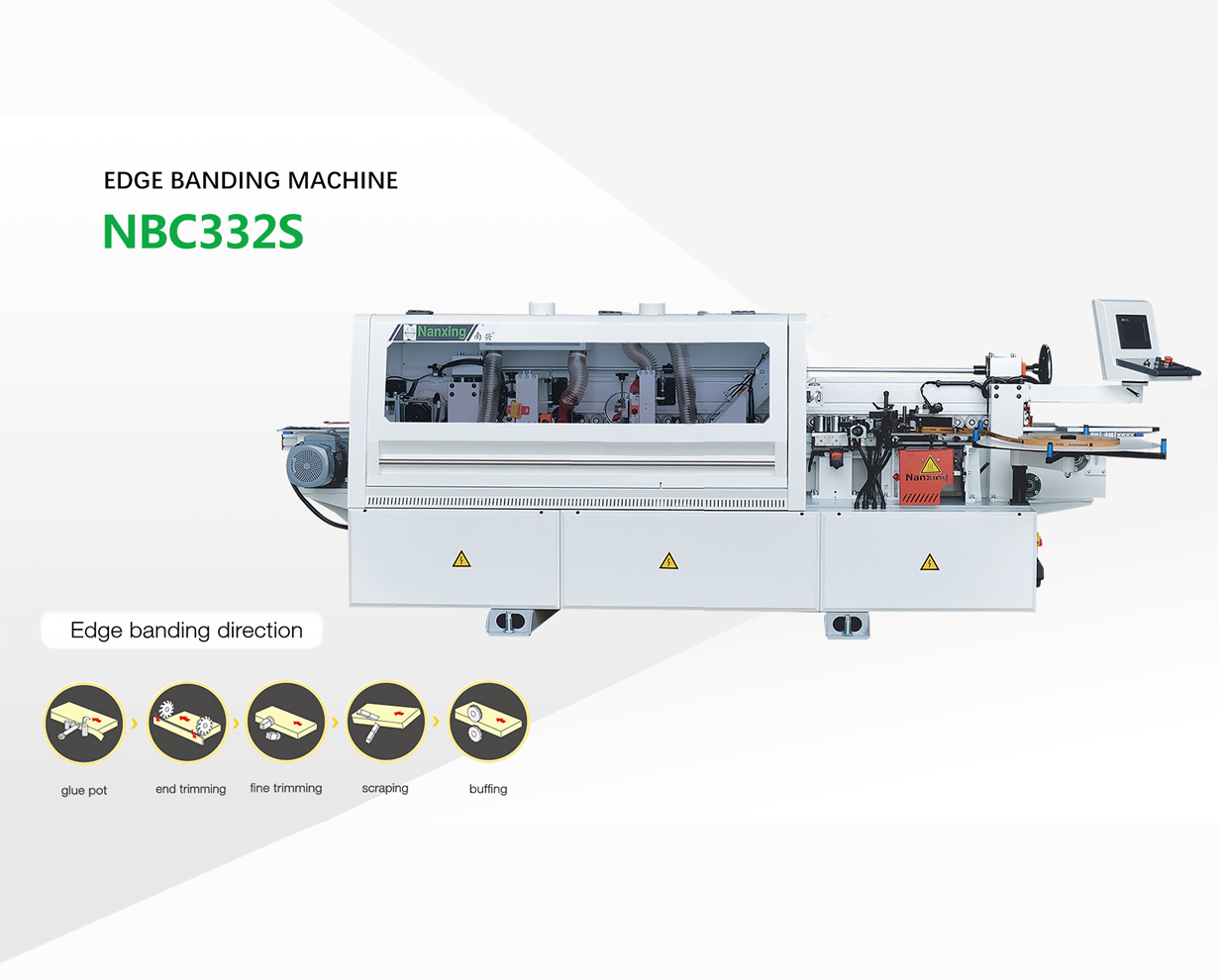
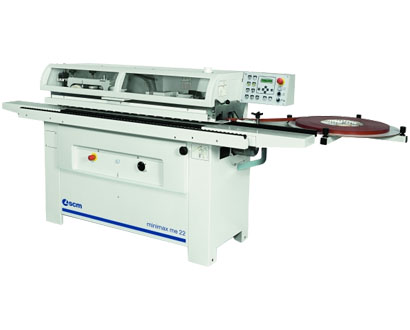
A fully automatic through-feed edge bander is the industry standard for furniture production. The panel is fed in at one end on a powered conveyor, and the machine automatically glues, presses, end-trims, corner-rounds, flush-trims, scrapes, and buffs the edge in a single pass. The operator's role is to load panels, monitor the machine, and unload finished parts. Throughput is measured in metres per minute of panel edge processed.
For any factory producing more than a handful of cabinets per day, a fully automatic edge bander is the correct choice. The improvement in consistency and throughput over semi-automatic machines justifies the investment at most production volumes.
Key Technical Specifications to Evaluate
Glue System: EVA vs PUR
The glue system is one of the most important specifications and has significant implications for quality and operating cost.
EVA (Ethylene Vinyl Acetate) hot-melt is the standard in most furniture factories. It melts in a heated pot, bonds quickly, and delivers reliable adhesion on most substrates. EVA is cost-effective and easy to maintain. The visible glue line — the thin line where the tape meets the panel — is present and may darken over time, particularly on lighter-coloured materials.
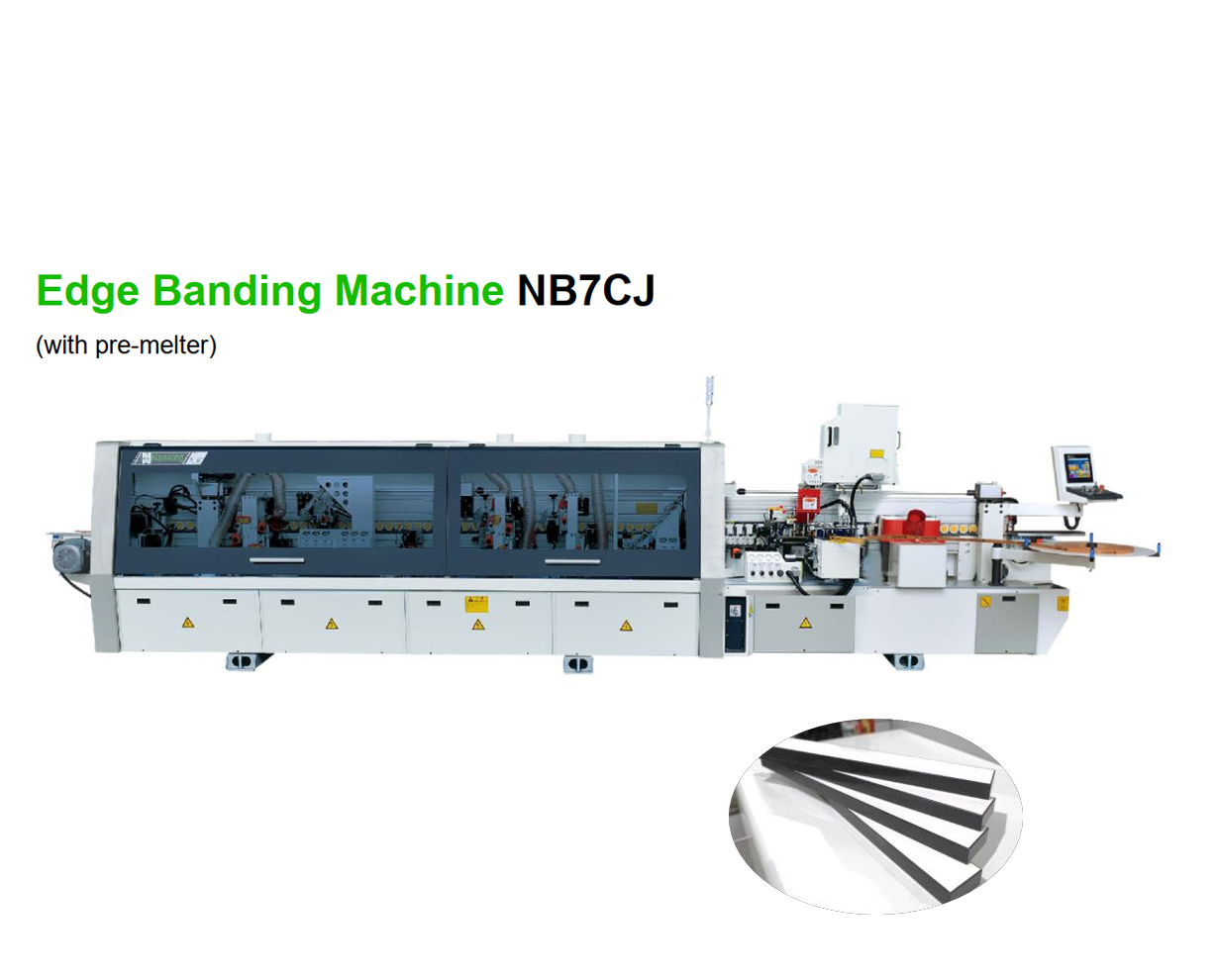
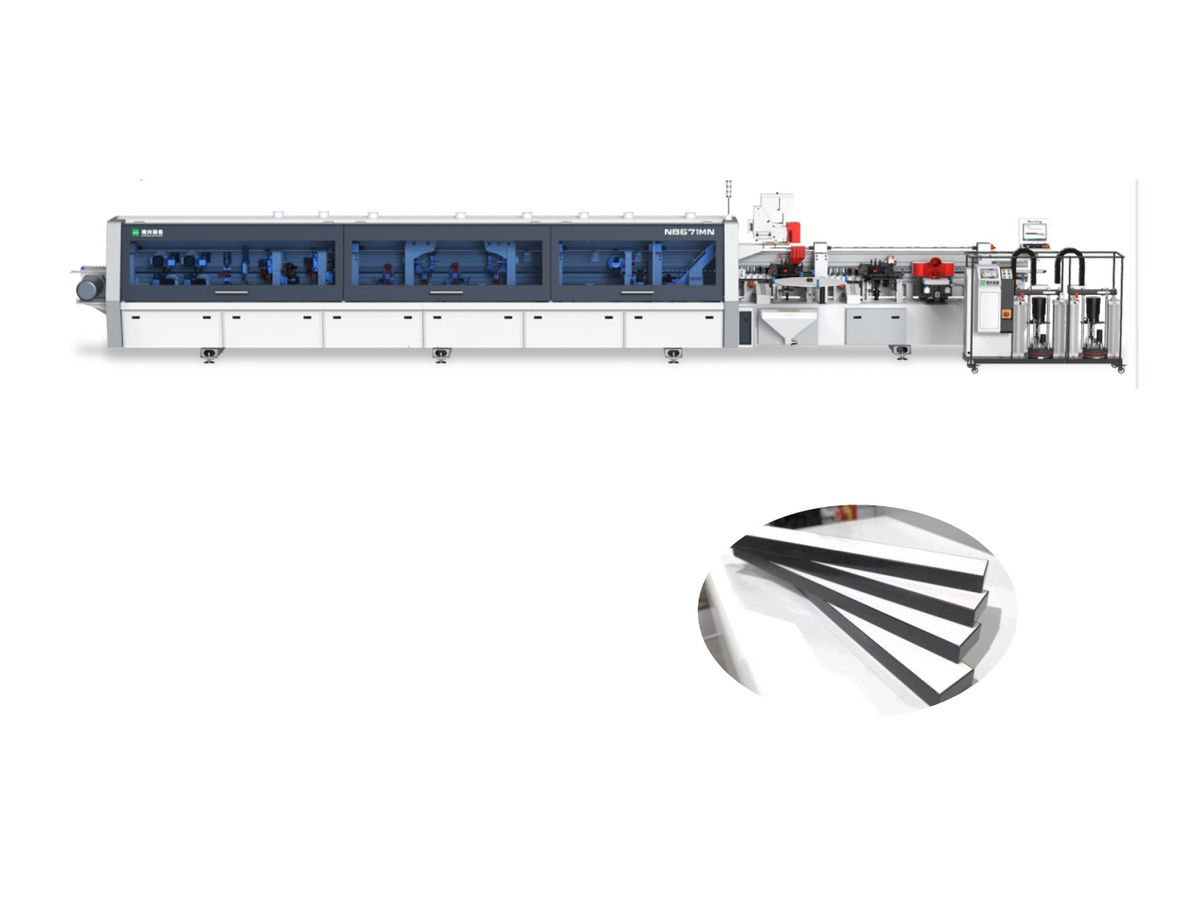
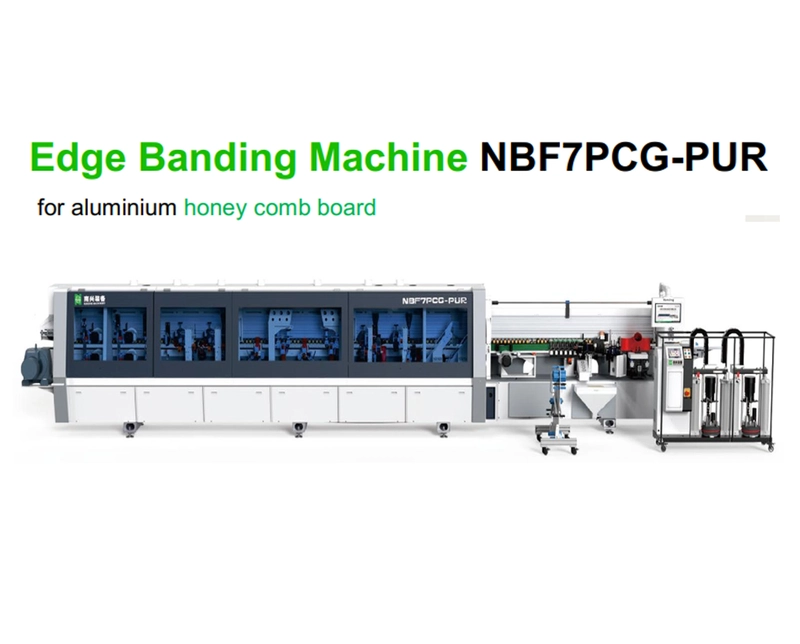
PUR (Polyurethane Reactive) hot-melt creates a much thinner, near-invisible glue line. It bonds with greater strength and is significantly more moisture-resistant — making it the preferred choice for kitchen furniture, bathroom units, or any application where panels will be exposed to steam or humidity. PUR glue reacts with atmospheric moisture to cure, creating a bond that does not re-melt with heat. The trade-offs are higher glue cost, more demanding maintenance (PUR must be purged from the system before it cures and blocks the glue unit), and a higher machine price.
For modular kitchen manufacturing where moisture resistance and edge quality are both critical, PUR capability is strongly recommended. For general interior furniture, EVA is usually sufficient.
Feed Speed
Feed speed, measured in metres per minute, determines how many linear metres of edge the machine can process per hour. Common feed speeds for production edge banders range from 12 m/min to 24 m/min. Higher feed speed means greater throughput, but it must be matched to operator capability and machine setup quality. Running a machine above its optimal setup speed produces inferior results — the glue does not have sufficient open time to bond consistently, and trimming functions may not be precise.
Trimming Stations
Trimming stations are the sequence of operations that give the banded edge its finished appearance:
- End trimming: Removes the tape overhang at each end of the panel
- Top and bottom flush trimming: Trims tape flush with the panel face
- Corner rounding: Rounds the two front corners of the tape for a furniture-standard radius
- Scraping: Removes the micro-glue smear left by the trimming process
- Buffing: Polishes the tape surface to a uniform sheen
The more trimming stations a machine has, the less finishing work is required by hand. Entry-level automatic machines may have fewer stations; higher-end models include all of the above.
Panel Size Range
Check the minimum and maximum panel length, width, and thickness the machine handles. Kitchen cabinet panels vary widely — from tall filler pieces to short drawer fronts. Ensure the machine accommodates your smallest parts without jamming or misfeeding.
Nanxing Edge Banders — Volume and Value
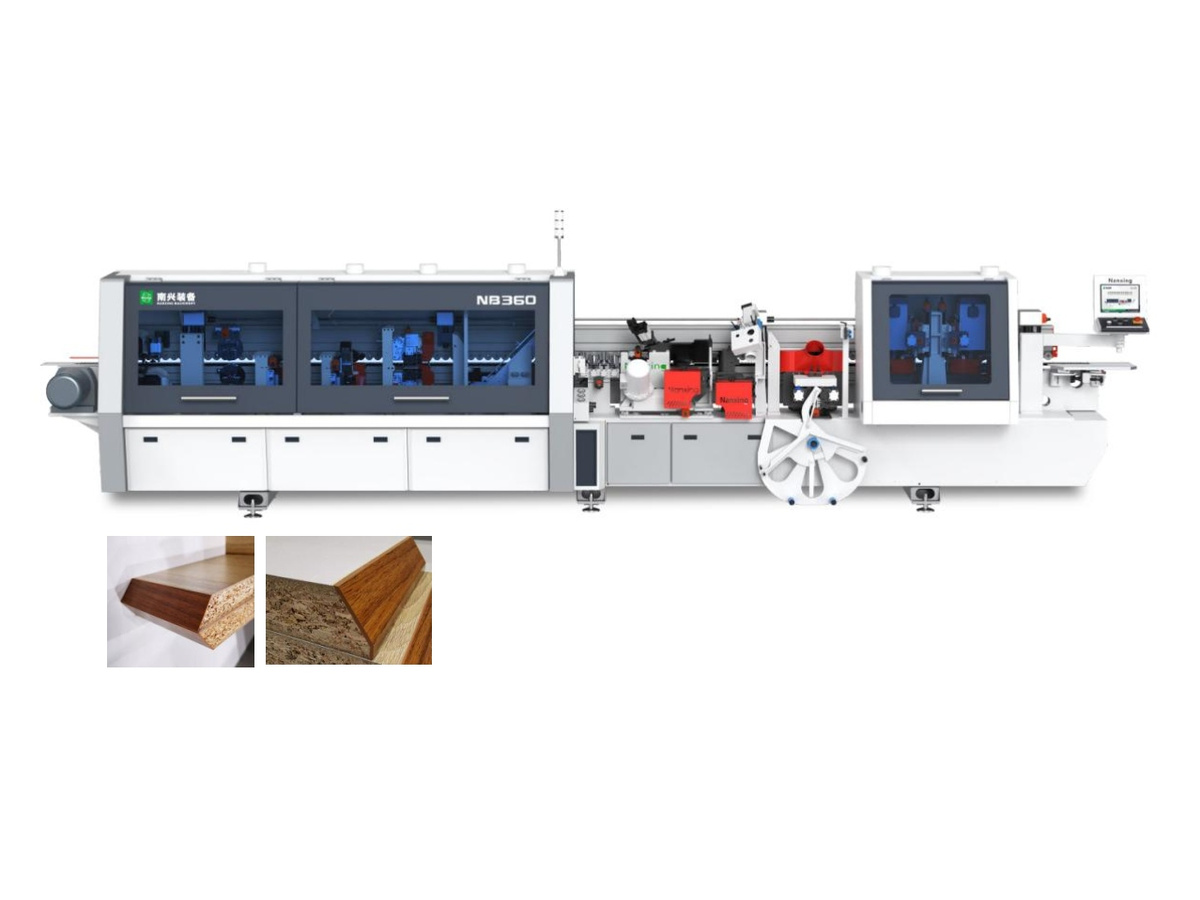
Nanxing is the world's largest CNC woodworking machine manufacturer and also produces a comprehensive range of edge banding machines. Nanxing edge banders span entry-level automatic machines suited to smaller furniture factories through to high-speed production models with PUR glue capability, corner rounding, scraping, and buffing. They are widely used in Indian furniture production for their reliability and value-for-money positioning.
Caple Industrial Solutions is an authorised Nanxing dealer in India. All Nanxing machines available through Caple come with authorised warranty coverage and are supported by factory-trained service engineers. Enquire about Nanxing edge banders here.
SCM Edge Banders — European Precision
SCM Group (Italy) produces edge banding machines widely regarded as the benchmark for quality in the mid-to-upper tier of the market. SCM edge banders, including the Stefani range, are engineered for demanding production environments where surface quality and long machine life are priorities. They support both EVA and PUR glue systems, run at high feed speeds, and include full trimming, scraping, and buffing stations.
SCM machines are appropriate for factories where the cost of rework from edge quality failures is high — high-end kitchen manufacturers, commercial fit-out suppliers, and factories exporting furniture. Caple Industrial Solutions is an authorised SCM dealer and can arrange demonstrations of SCM edge banders at its demo centres across India.
The Case for Live Machine Trials
Edge banding quality is highly material-dependent. A machine that produces excellent results on white 18mm particleboard may struggle with thin MDF or textured laminates. Before purchasing any edge bander, run your actual production materials through the machine at the same settings you will use in production. Caple Industrial Solutions' demo centres are equipped precisely for this purpose — bring your panels and your edge tape, and evaluate results before you commit. Book a demo visit here.
Frequently Asked Questions
What is the difference between EVA and PUR glue in an edge banding machine?
EVA (ethylene vinyl acetate) is a standard hot-melt glue that is cost-effective and easy to work with. PUR (polyurethane reactive) hot-melt produces a stronger, more moisture-resistant bond and a near-invisible glue line. PUR is recommended for kitchen furniture or any application where moisture exposure is a concern. PUR machines cost more and require more careful maintenance.
What feed speed do I need for my production volume?
Most production furniture factories operate well at 12–18 m/min. Higher speeds (20–24 m/min) are appropriate for high-volume lines where throughput is a primary concern. The right feed speed depends on your production plan and the quality of your machine setup and maintenance.
Can I see an edge banding machine running before I buy it?