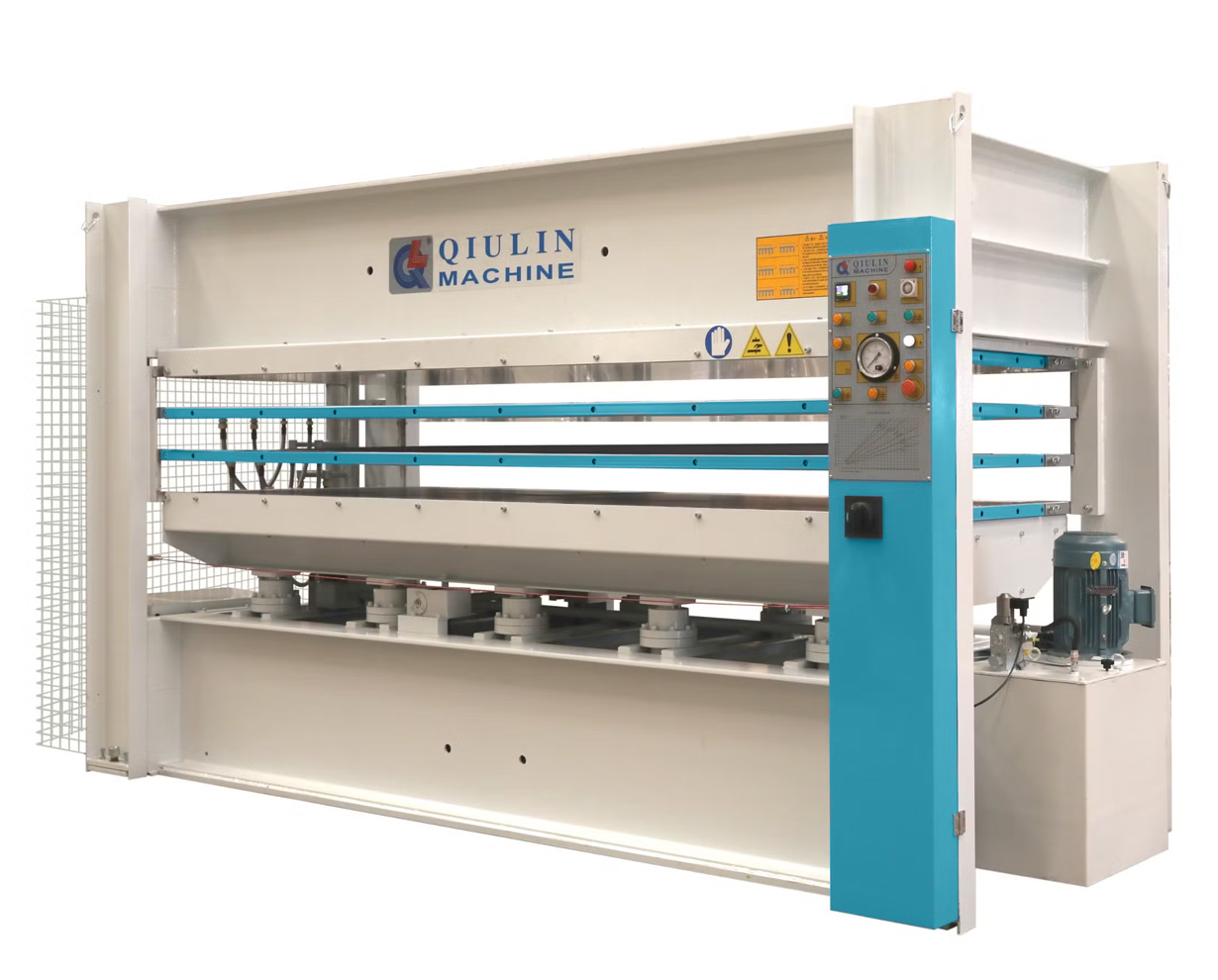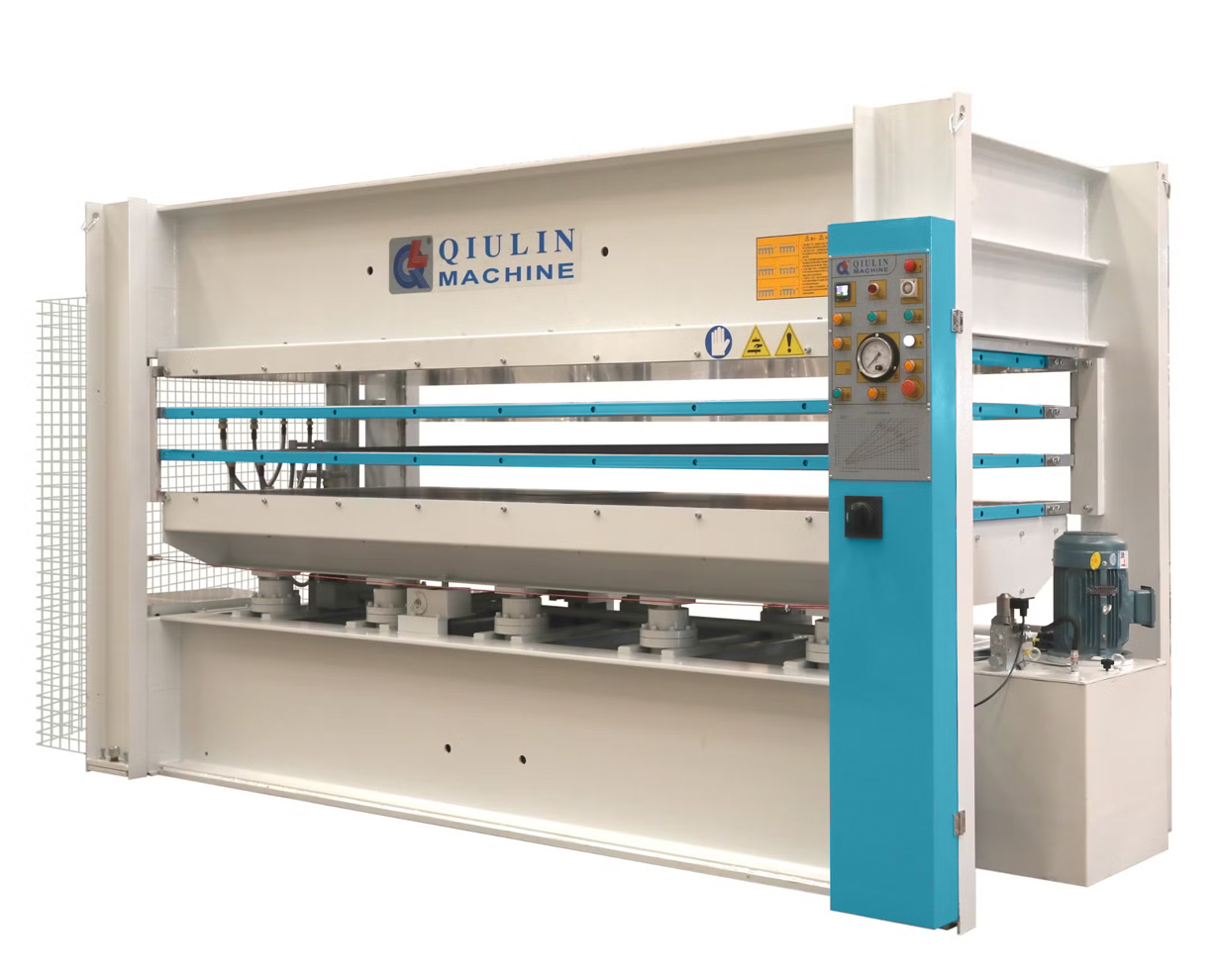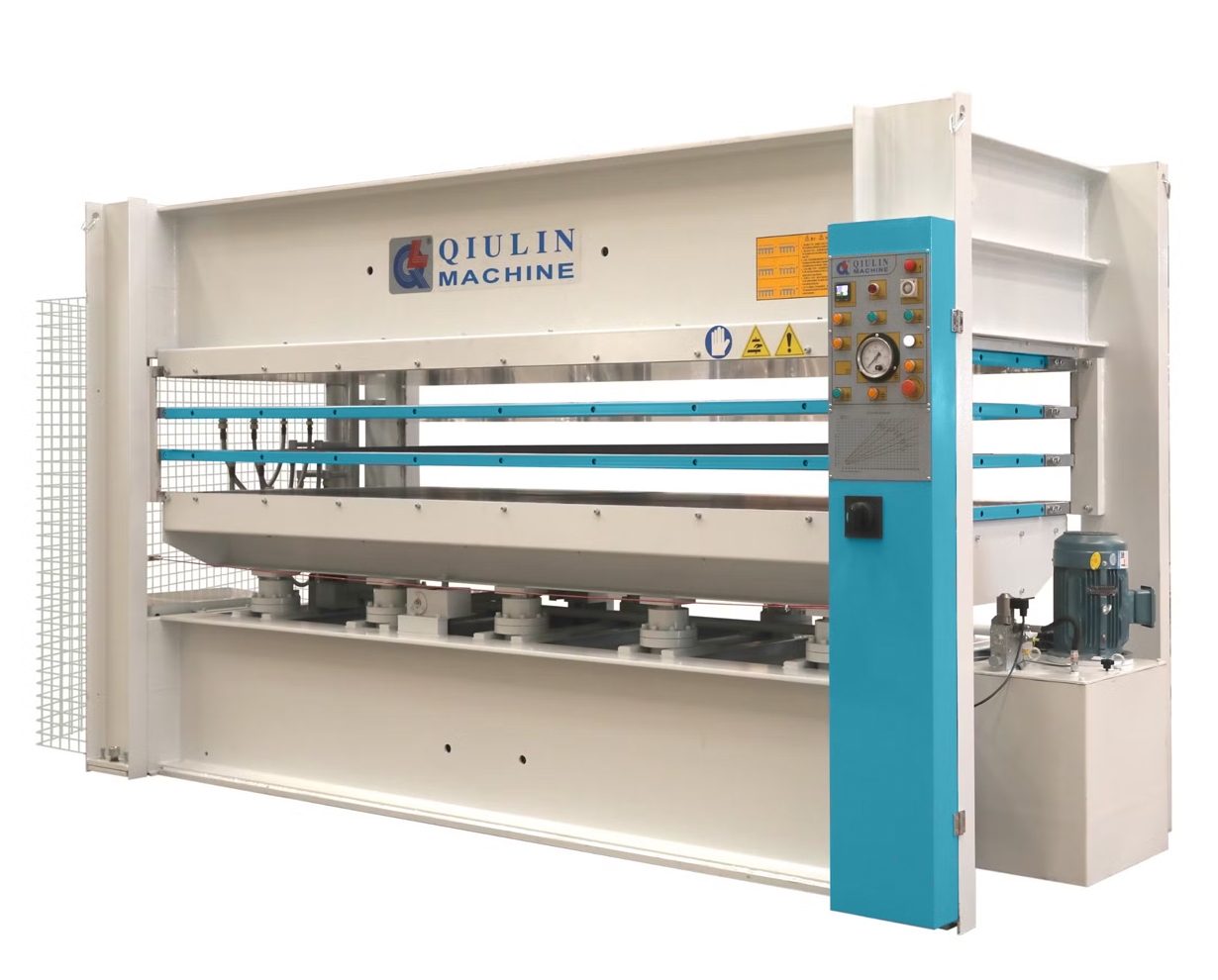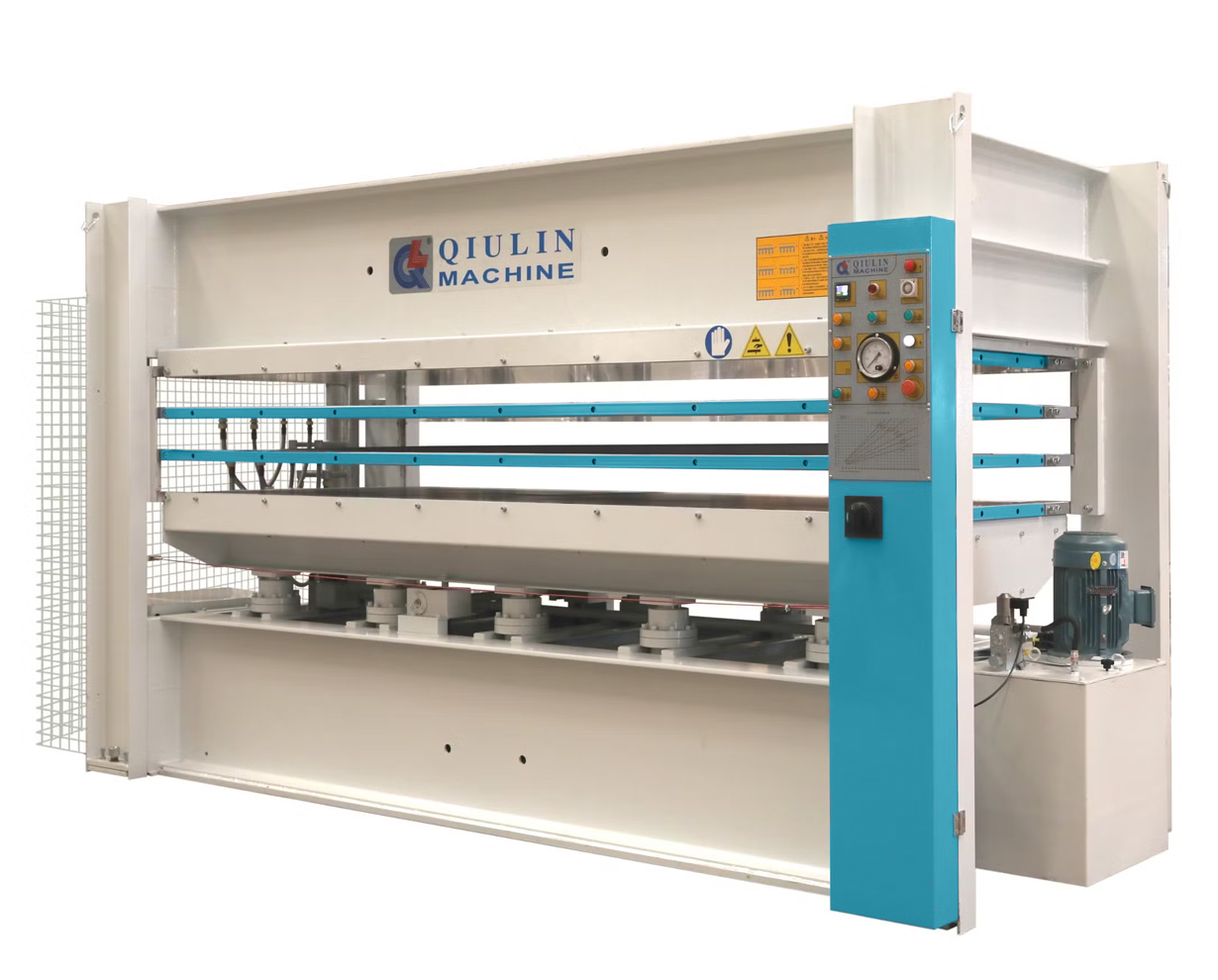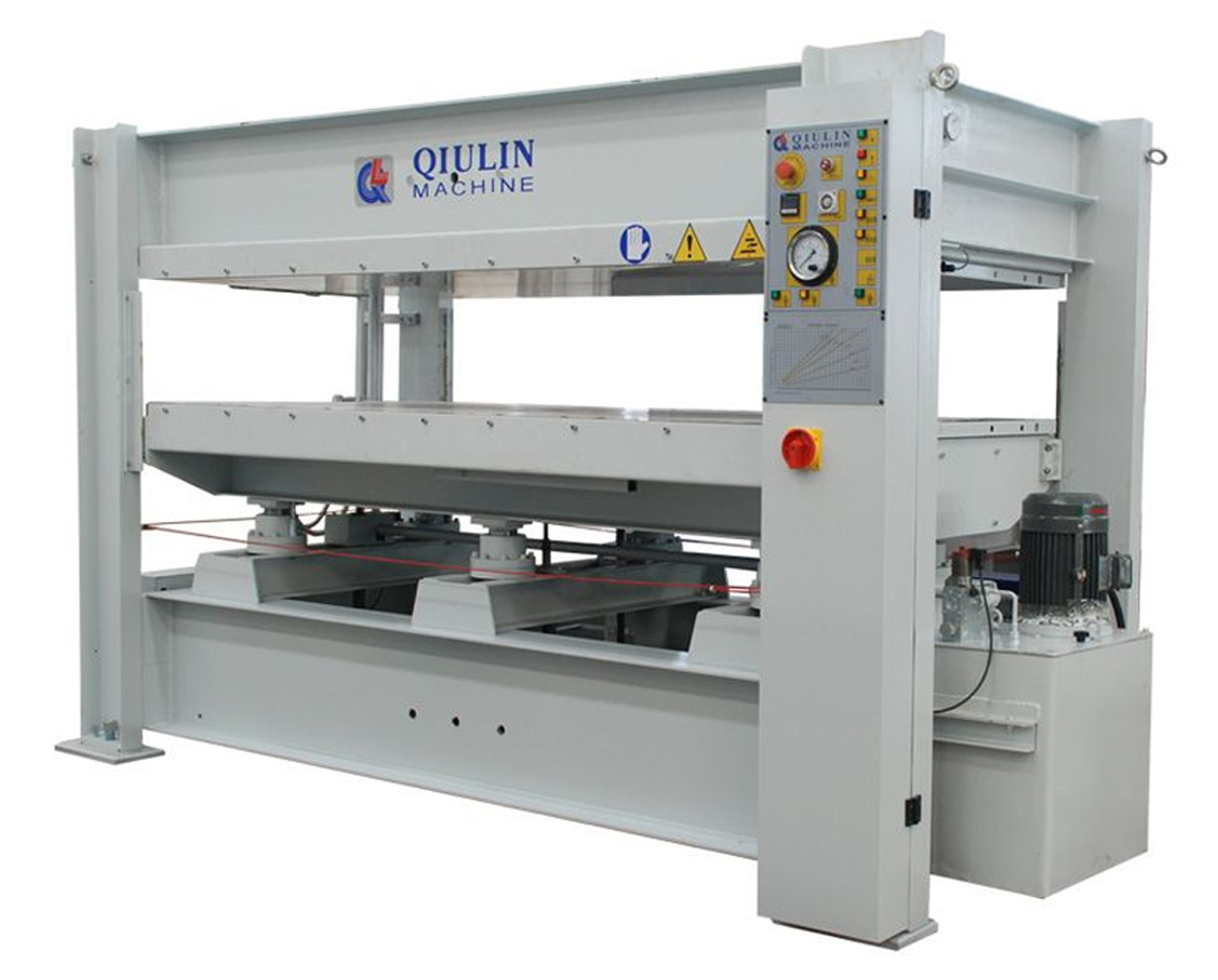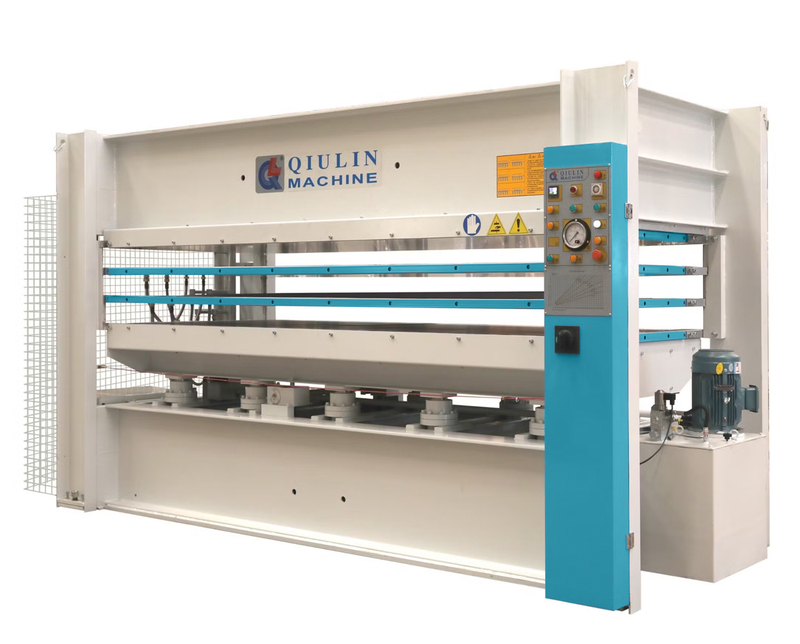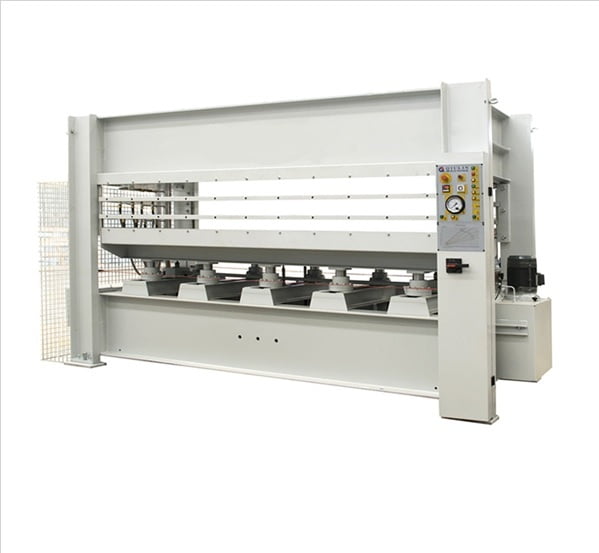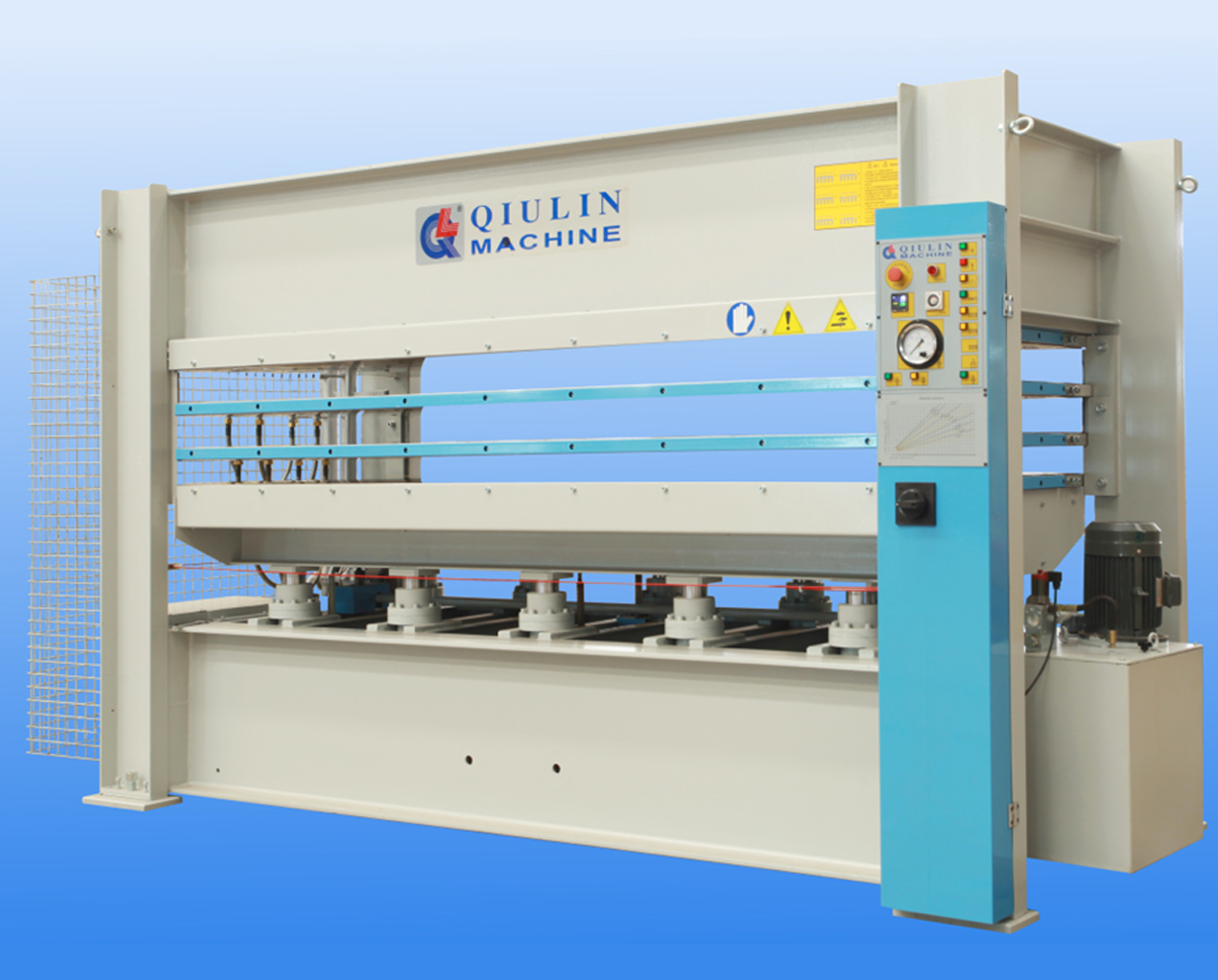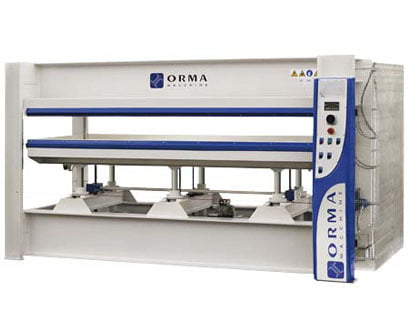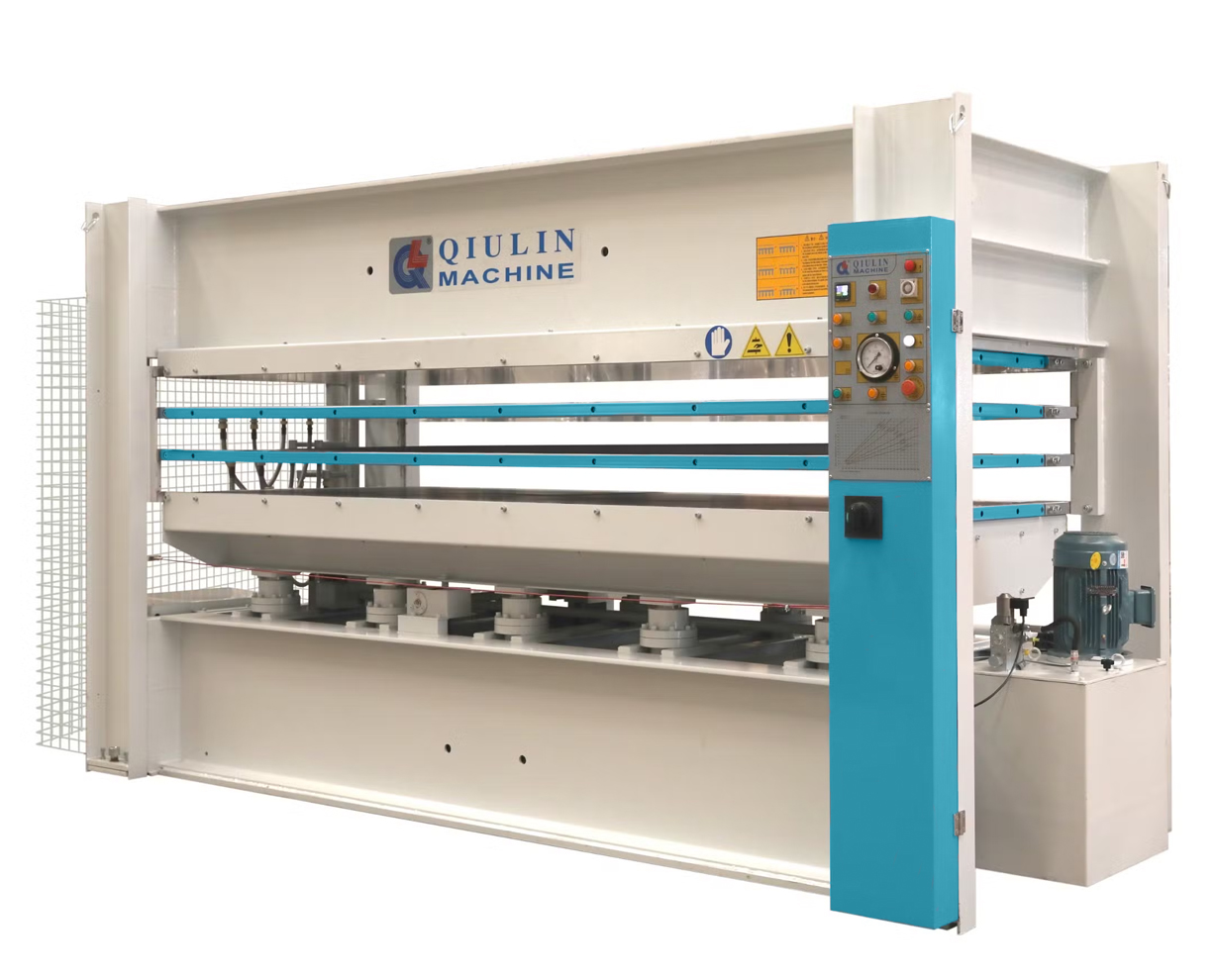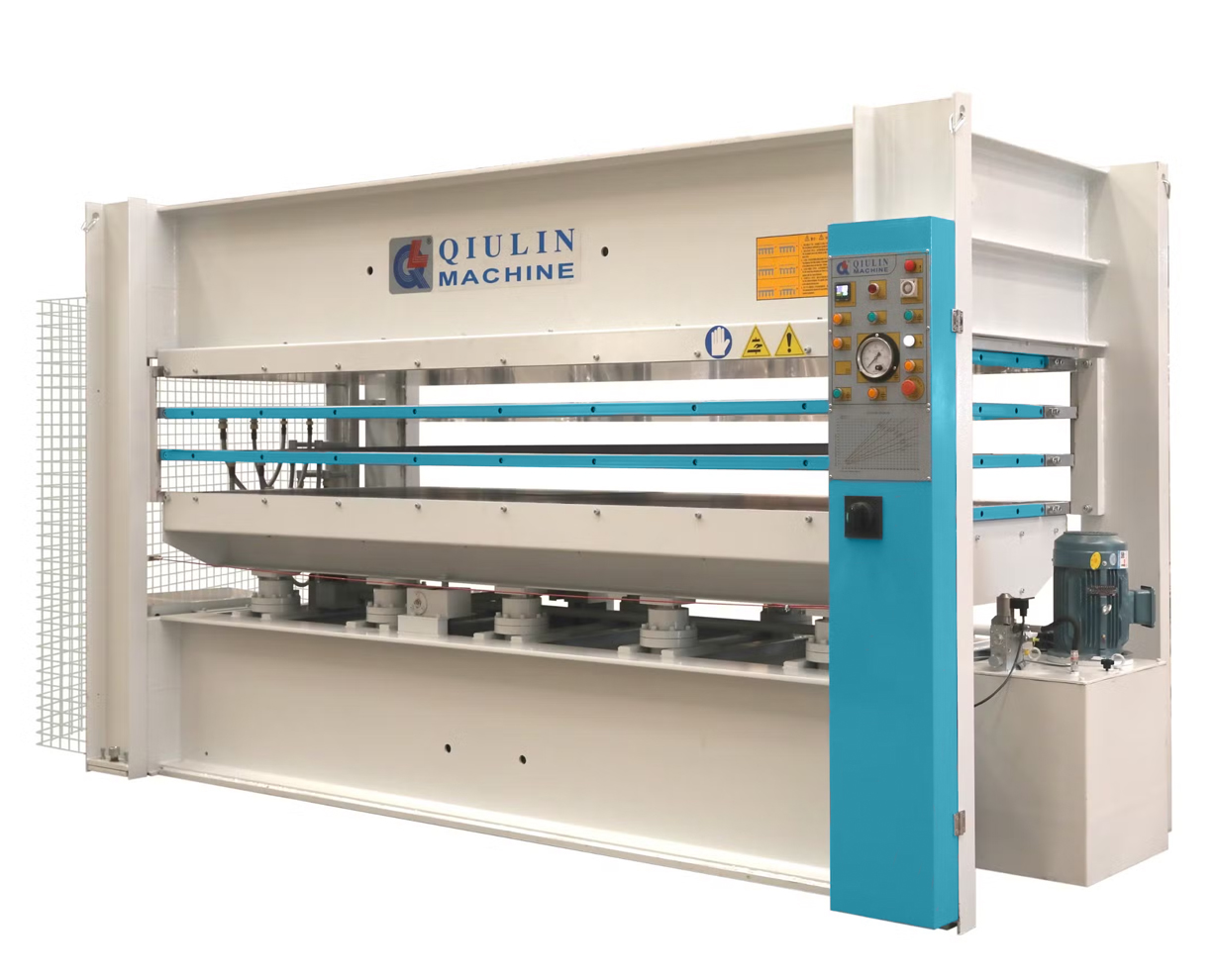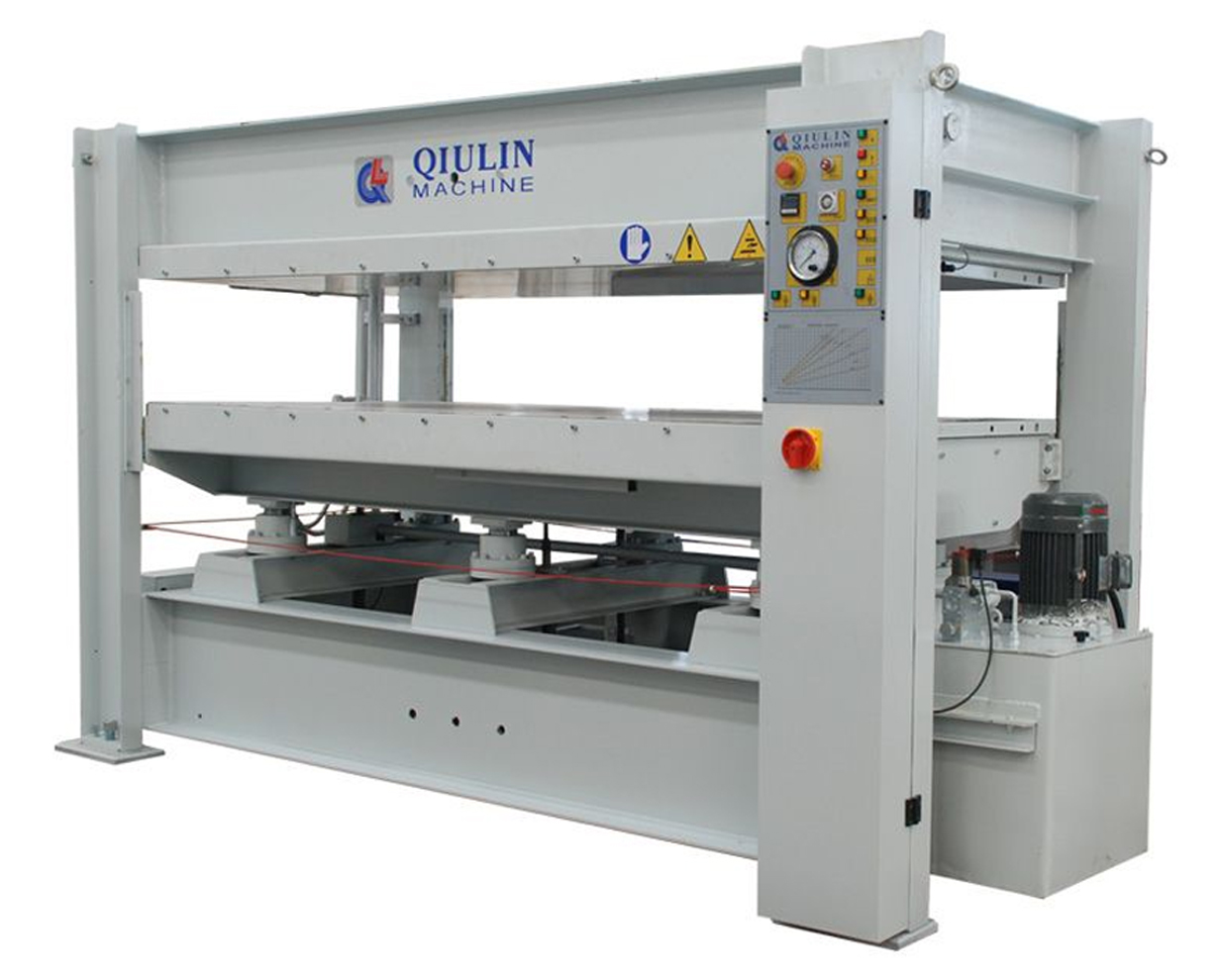

Hot Press Machine
( 17 Products Available )Press Machine Application Guide — Specific Pressure Reference for Indian Manufacturers
Choosing the right press machine starts with understanding the specific pressure your application demands. Whether you are laminating melamine papers onto MDF, veneering solid wood panels, or pressing HPL onto chipboard — each application has a precise pressure requirement measured in kg/cm². Getting this right determines the quality of your bond, the longevity of your finished product, and the efficiency of your production cycle.
At Caple Industrial Solutions, we have compiled this reference from decades of working with Orma, MAS, and Qiulin hydraulic press machines across Indian furniture factories, plywood mills, and panel processing plants. Use this as your starting point — then contact us for application-specific guidance based on your exact material, substrate, and production volume.
Specific Pressure Required by Application
| Material / Application | Specific Pressure (kg/cm²) |
|---|---|
| Hollow core doors or panels | 0.8 – 1.5 |
| HPL on calibrated chipboard or MDF panels | 1.5 – 2 |
| CPL on calibrated chipboard or MDF panels | 2 – 3 |
| Veneering on calibrated chipboard or MDF panels | 2 – 4.5 |
| Gluing of solid wood panels (well calibrated) | 4 – 8 |
| Gluing of solid wood panels (not well calibrated) | 8 – 15 |
| Finish foil papers on calibrated chipboard or MDF panels | 6 – 10 |
| Laminating with melamine papers on chipboard or MDF (150°–180°C) | 18 – 20 |
| Laminating with melamine papers on chipboard or MDF (200°–220°C) | 30 – 40 |
How to Use This Table
Step 1 — Identify your application. Are you pressing HPL, veneering natural wood, laminating melamine, or gluing solid timber? Each has a fundamentally different pressure requirement.
Step 2 — Calculate your total press force. Multiply the specific pressure (kg/cm²) by the panel area (in cm²) you need to press. For example: pressing HPL onto a 120 cm × 240 cm panel requires 1.5 kg/cm² × 28,800 cm² = 43,200 kg (approximately 43 tonnes).
Step 3 — Select the right press. The total tonnage tells you the minimum hydraulic press capacity you need. Caple supplies Orma, MAS, and Qiulin press machines from 25 tonnes to 400+ tonnes — covering everything from small workshop veneer presses to industrial-scale melamine lamination lines.
Why Specific Pressure Matters
Too little pressure results in poor adhesion, delamination, bubbling, and inconsistent bond quality — particularly visible in HPL and veneer applications where the surface finish is critical.
Too much pressure can crush substrate cores (especially hollow-core doors and lightweight panels), squeeze out excessive adhesive causing edge build-up, and in extreme cases deform the panel geometry permanently.
The range given for each application accounts for variations in adhesive type, substrate density, surface preparation quality, and ambient temperature. Well-calibrated substrates consistently require lower pressure because the surface contact is more uniform.
Temperature Considerations for Indian Conditions
Indian workshop ambient temperatures (often 30°–45°C in summer) affect press cycle times and adhesive behaviour differently than European factory conditions where most press specifications are written. Higher ambient temperatures generally reduce the pre-heating time needed but can accelerate adhesive open time — meaning the press must close faster. Our team can advise on optimal cycle parameters for your specific location and seasonal conditions.
Frequently Asked Questions
What press capacity do I need for a modular kitchen factory in India?
Most modular kitchen factories pressing melamine-faced MDF or chipboard at 150°–180°C need a minimum 100-tonne press for standard panel sizes (1220 × 2440 mm). For higher throughput or larger panels, 150–200 tonne presses are recommended. Contact Caple at caple.in/contact for sizing guidance based on your specific panel dimensions and daily output target.
What is the difference between a hot press and a cold press?
A hot press uses heated platens (typically 80°–220°C) to accelerate adhesive curing — essential for melamine lamination, HPL pressing, and thermosetting adhesives. A cold press operates at ambient temperature and is used with PVA and other cold-setting adhesives — suitable for solid wood gluing, veneer pressing with cold glue, and panel assembly. Many factories need both.
Which brands of press machines does Caple supply?
Caple Industrial Solutions is the authorised dealer for Orma (Italy), MAS (Europe), and Qiulin hydraulic press machines in India. Our range covers hot presses, cold presses, membrane presses, and clamp carriers from 25 tonnes to 400+ tonnes. All machines carry a 12-month or 2,000-hour warranty (whichever is earlier), manufacturing defects only.
Can Caple help me choose the right press for my application?
Yes. Caple's consultancy model includes application assessment — we evaluate your material (HPL, veneer, melamine, foil), substrate (MDF, chipboard, solid wood), panel size, daily output requirement, and available floor space before recommending a specific press. Schedule a consultation at caple.in/contact.
What is the typical press cycle time for melamine lamination?
At 150°–180°C with 18–20 kg/cm² specific pressure, typical melamine lamination press cycle times range from 20 to 40 seconds depending on adhesive type, substrate thickness, and platen temperature uniformity. Higher temperatures (200°–220°C) at 30–40 kg/cm² can reduce cycle times but require higher-specification press platens and more precise temperature control.
For press machine sizing, application guidance, or to schedule a live demonstration: Contact Caple Industrial Solutions