Setting Up a Furniture Factory in India — Machinery Checklist and Buying Guide
India's furniture manufacturing sector is one of the fastest-growing segments in the country's industrial landscape, driven by urbanisation, a growing middle class, and demand for modular and panel furniture. Setting up a furniture factory requires careful sequencing — both in machinery selection and in production layout — to avoid the expensive mistakes that come from buying equipment without a clear production plan. This guide provides a practical machinery checklist for a mid-size furniture factory, with notes on what each machine does and when to add it. Caple Industrial Solutions, a fourth-generation family business established in 1974, has helped hundreds of furniture factories across India develop their machinery strategies — from first machine to full production line.
Before You Buy Any Machine — Define Your Production Model
The right machinery list depends entirely on what you are making, at what volume, and to what quality standard. The three most important questions to answer before any machinery purchase are:
- What product categories will you manufacture? Panel furniture (wardrobes, kitchens, TV units), solid wood furniture, upholstered furniture, and commercial joinery each require different equipment.
- What is your target monthly output? A factory making 50 sets of furniture per month needs different machines from one targeting 500 sets.
- What is your target market? Export-quality furniture for high-end retail requires tighter tolerances and better surface finishing than volume furniture for builder supply.
This guide assumes a mid-size factory producing panel furniture — wardrobes, modular kitchens, TV units, office furniture — from pre-laminated particleboard and MDF, targeting the middle and upper-middle market. This is the most common factory configuration in India.
Primary Machinery — The Core Production Line
These are the machines without which a panel furniture factory cannot function.
1. Panel Saw or CNC Beam Saw
Every piece of furniture starts with full-sheet board that must be cut to component sizes. A sliding table panel saw is appropriate for lower volumes and custom-size cutting; a CNC beam saw handles higher volumes with programmable optimisation and stack cutting (multiple sheets at once).
Alternatively, a CNC nesting machine can replace the panel saw for factories that need to process shaped parts, integrate with design software, or optimise material yield across complex cut lists. The nesting approach requires a larger upfront investment but offers greater flexibility and automation potential.
2. Edge Banding Machine
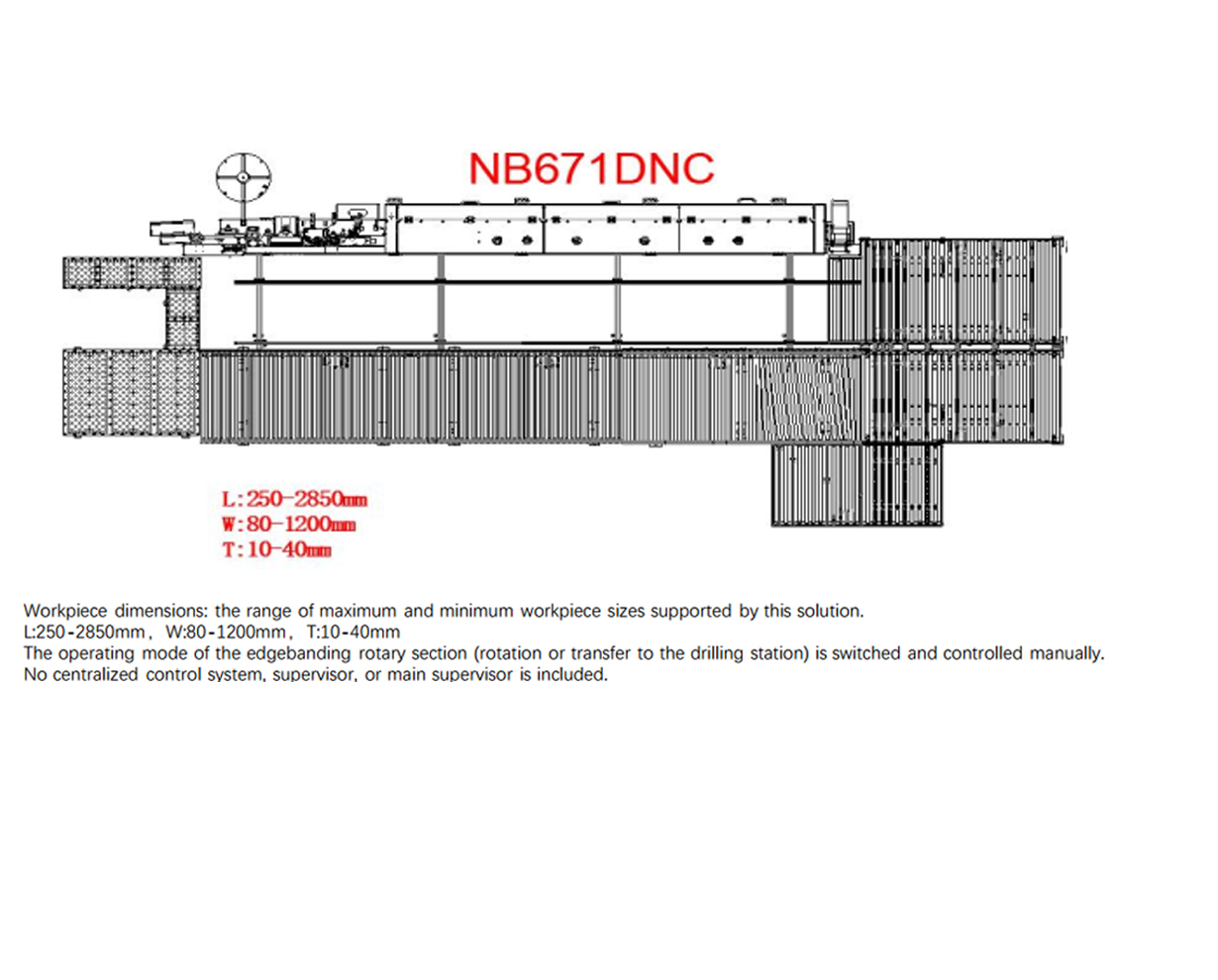
Every panel edge in finished furniture needs to be covered with edge tape — for aesthetics, for moisture protection, and for structural integrity of laminated board. A fully automatic through-feed edge banding machine is the production standard. Choose between EVA glue (standard) and PUR glue (superior bond and moisture resistance, especially important for kitchen furniture).
Both Nanxing and SCM edge banders are available through Caple Industrial Solutions, with models suited to a range of production volumes and quality requirements.
3. Multi Boring Machine
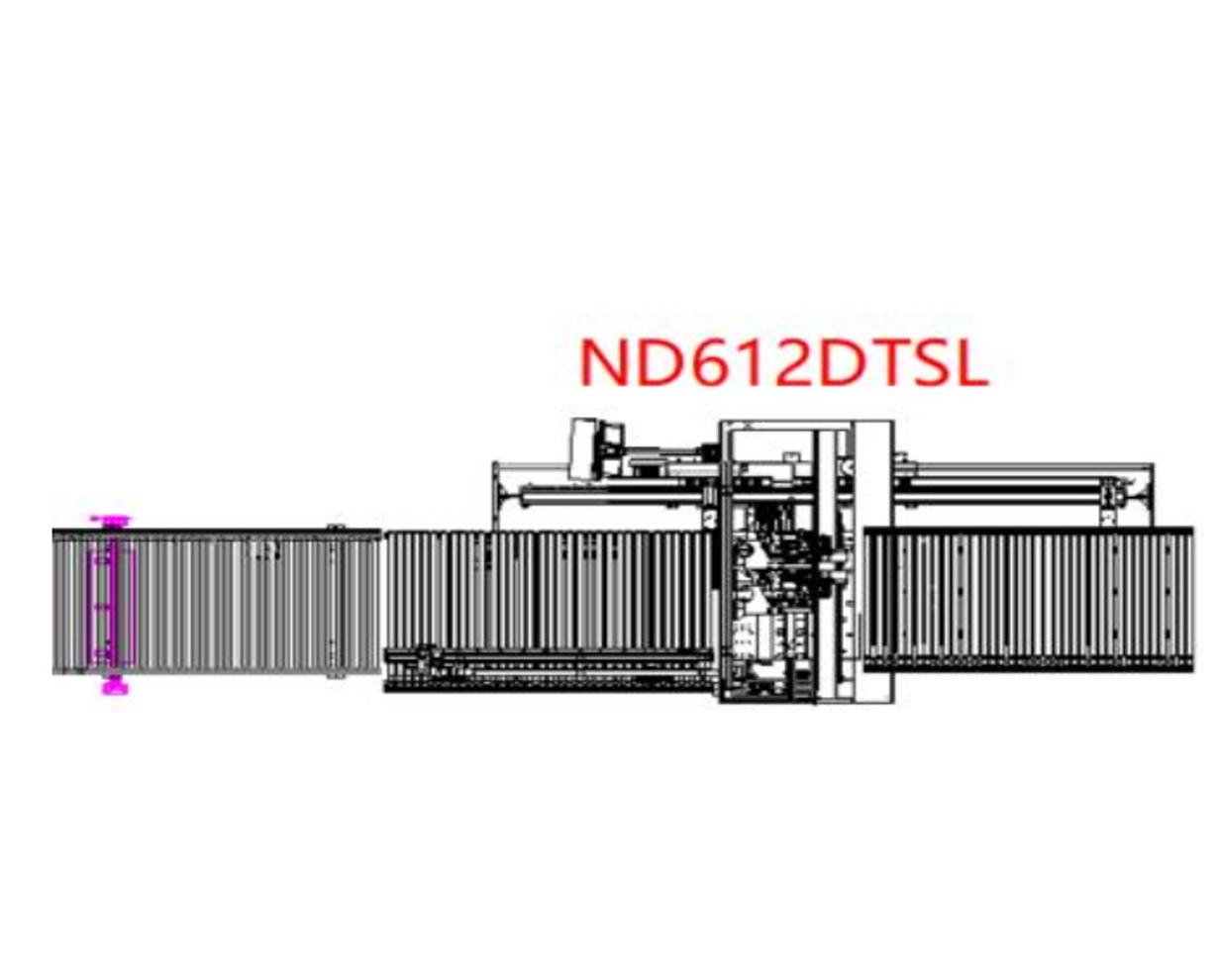
Hinge holes, shelf pin holes, and dowel holes are drilled into every cabinet panel. A multi boring machine drills multiple holes simultaneously in a row pattern — far faster and more consistent than single-spindle drilling. For a mid-size factory, a single-head multi boring machine is usually the starting point, with a three-head machine becoming worthwhile as volume grows.
4. CNC Router (for shaped components)
Not every furniture factory needs a CNC router from day one. If your product range consists entirely of rectangular panel components, a panel saw and boring machine may be sufficient for the cutting and drilling stages. However, as soon as you add shaped doors, routed profiles, CNC-cut lettering, or custom hardware cutouts, a CNC router or nesting machine becomes necessary.
Nanxing produces entry-level to industrial-grade CNC routers and nesting machines. Contact Caple Industrial Solutions to discuss which configuration suits your product range.
Secondary Machinery — Adding Capability as You Scale
These machines are not required from day one but become important as production volume grows and quality expectations rise.
Wide Belt Sander
Essential if you are producing painted furniture, working with solid wood, or veneering panels. A wide belt sander calibrates panel thickness and provides a uniform surface for coating. SCM wide belt sanders are available through Caple.
Dust Collection System
Technically a utility rather than a production machine, but operationally non-negotiable. A centralised dust collection system connected to all machines is required for regulatory compliance, operator health, and machine longevity. Size the system at the outset to handle the full planned machine load — undersizing it is a common and costly oversight.
Hot Press or Cold Press
Required if you are laminating panels in-house, veneering substrates, or applying membrane to MDF profiles. Orma hot presses and cold press options are available through Caple Industrial Solutions.
Finishing and Coating Equipment
For painted or lacquered furniture, a spray booth with appropriate extraction and filtering is required. Giardina coating line equipment is available through Caple for factories that want to invest in automated finishing.
Factory Layout — As Important as Machine Selection
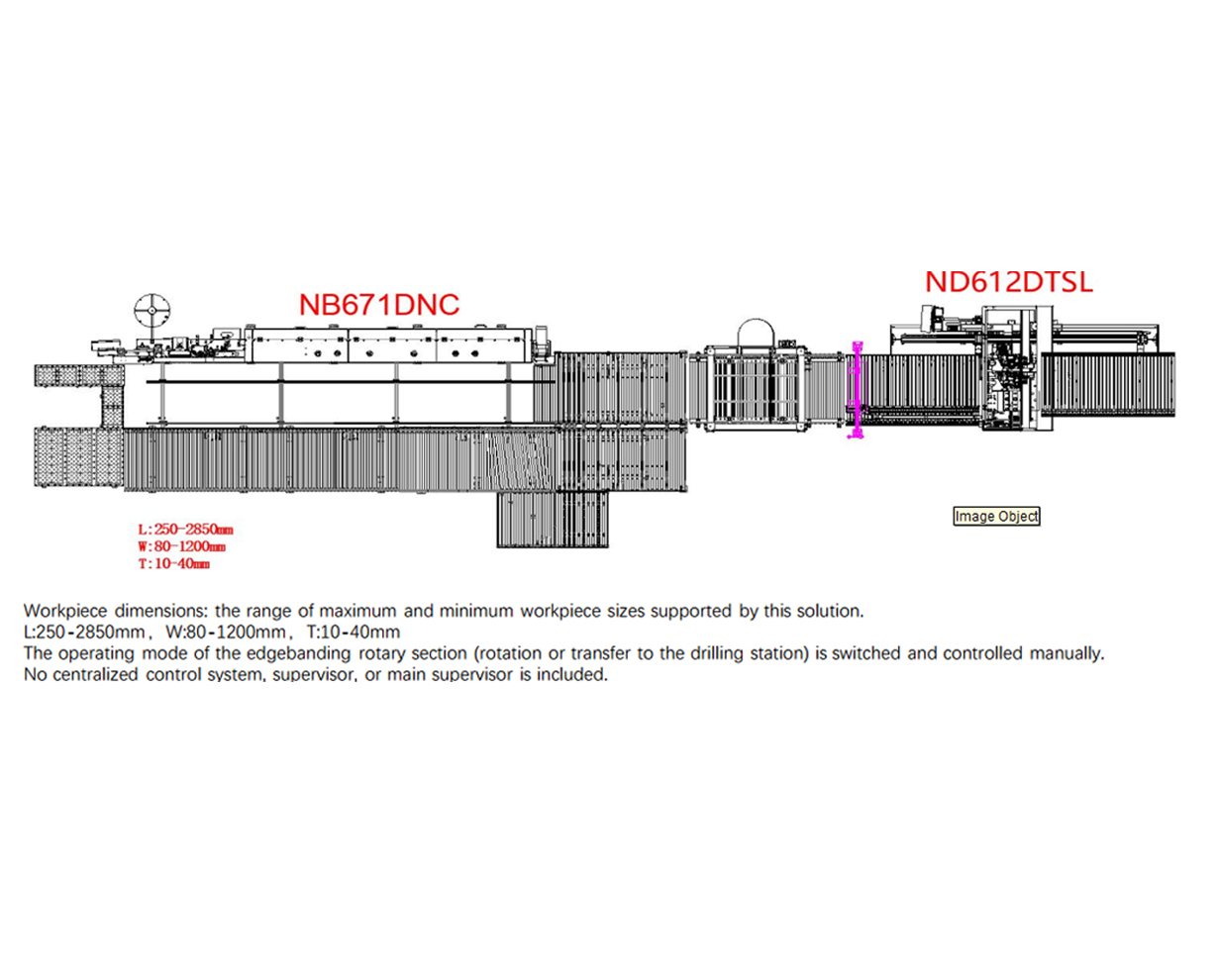
The physical arrangement of machines in your factory determines material flow efficiency. Poor layout creates double-handling, collision points between material movements, and supervision difficulties. Key principles for a panel furniture factory layout:
- Panel saw or nesting machine at the loading end, near raw board storage
- Edge bander in line with or adjacent to the cutting station, minimising travel distance for cut panels
- Boring machine close to the edge bander, downstream in the flow
- Assembly area at the end of the line, with outfeed space for finished carcasses
- Dust collection positioned to minimise duct runs to each machine
Caple Industrial Solutions provides factory layout consultancy as part of its machine supply service. This includes site visits, production flow analysis, and machine placement recommendations before installation. Enquire about layout consultancy here.
Training and After-Sales Support
A factory is only as productive as its operators. The best machine in the world underperforms when operators do not know how to set it up, maintain it, or diagnose basic faults. When evaluating machinery suppliers, factor in:
- On-site operator training at the time of installation
- Service engineer availability for ongoing support
- Spare parts access and lead times
- Remote technical support capability
Caple Industrial Solutions provides training at installation, pan-India service coverage through factory-trained engineers, and spare parts supply for all authorised brands in its portfolio.
Frequently Asked Questions
What is the minimum machinery set to start a furniture factory in India?
The practical minimum for a panel furniture factory is a panel saw, an automatic edge banding machine, and a multi boring machine, plus a dust collector. This combination allows you to cut, band, and drill the fundamental components of cabinet furniture. A CNC router or nesting machine is added when shaped components or software-driven production is needed.
Should I buy all machines at once or start with a few and add more?
Starting with the core line (saw, edge bander, boring machine) and adding machines as revenue grows is a prudent approach. However, ensure your factory layout is planned for the eventual full machine set from the start — retrofitting layout around new machines is difficult and disruptive. Caple Industrial Solutions' layout consultancy addresses this.
How long does it take to set up a furniture factory from scratch?
Factory setup timeline depends on building readiness, power supply installation, and machine lead times. From machine order to operational production, a typical timeline is 2–4 months for a standard configuration. CNC equipment may have longer lead times depending on specification and origin.
Does Caple Industrial Solutions help with factory layout planning?
Yes. Caple Industrial Solutions provides factory layout consultancy as part of its service. This includes site visits, production flow analysis, and machine placement recommendations. Contact Caple to initiate a consultancy engagement.
What brands does Caple supply for furniture factory machinery?
Caple Industrial Solutions is an authorised dealer for Nanxing (CNC machines, edge banders, boring machines), SCM (full range of Italian woodworking machinery), Vitap (boring machines), Orma (hot presses), Altendorf (panel saws), Giardina (finishing lines), and several other brands. This breadth allows a factory to source most of its machinery requirements through a single dealer.
What warranty do furniture factory machines carry through Caple?