Caple Industrial Solutions
0
0
Caple Industrial Solutions
Currency

Sanding Machine

( 8 Products Available )
Explore industrial sanding machines for wood and furniture manufacturing in India. Caple Industrial Solutions supplies wide belt sanders, edge sanders, drum sanders and orbital sanders from SCM, Festool and Rupes — trusted brands with expert after-sales support across India.

Wide Belt Sander vs Edge Sander — Which Sanding Machine Does Your Workshop Need?

Sanding is one of the most underestimated steps in furniture production. Done well, it defines the surface quality of your finished product and determines how well subsequent coatings adhere. Done poorly or with the wrong machine, it wastes time, burns through abrasives, and leaves visible marks that no paint or lacquer will hide. Two machine types handle the bulk of industrial sanding work: the wide belt sander and the edge sander. They do fundamentally different things, and understanding the distinction helps you invest in the right equipment for your production type. Caple Industrial Solutions supplies sanding machines from SCM and Festool and can guide you through selection based on your specific production requirements.

What Does a Wide Belt Sander Do?

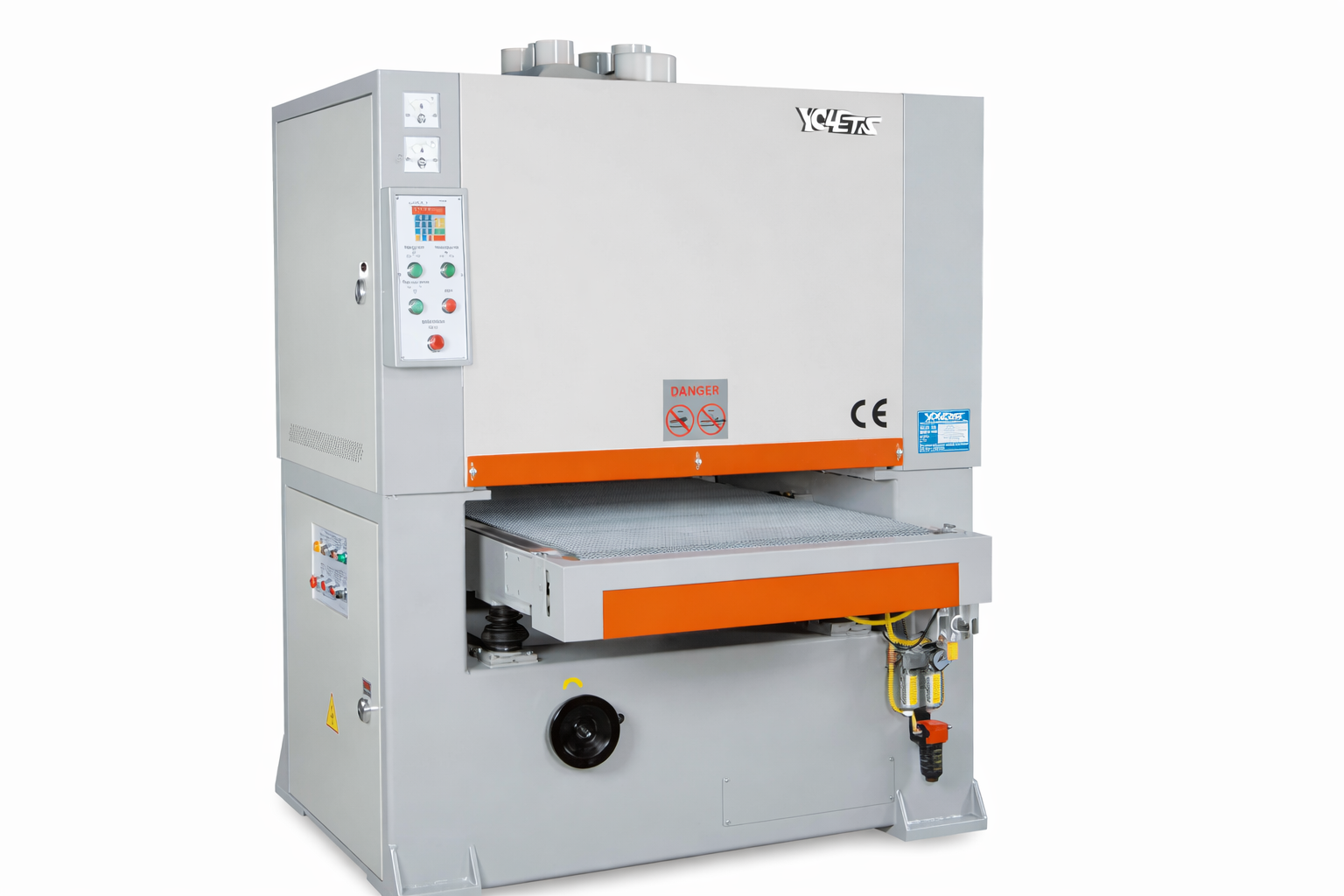
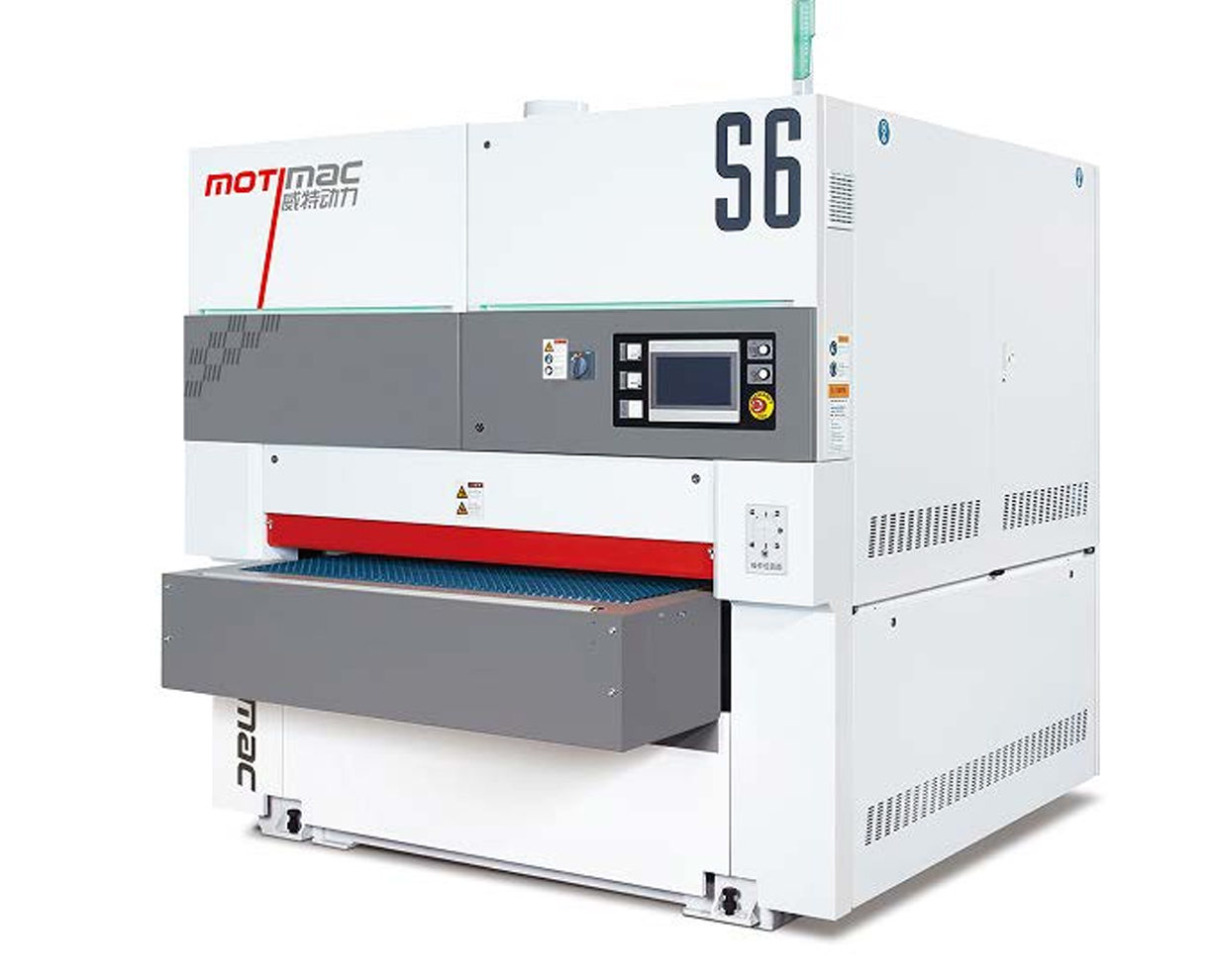
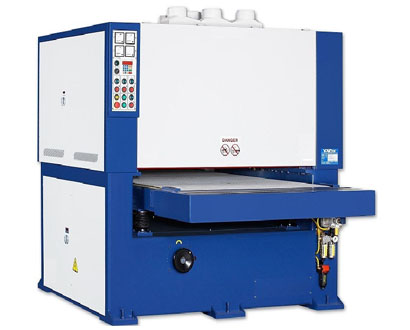
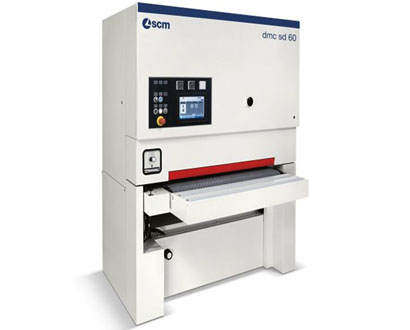
A wide belt sander passes flat panels through a machine on a conveyor, where one or more abrasive belts — typically 1300 mm or 1350 mm wide — sand the full face of the panel in a single pass. The machine can perform two distinct operations depending on how it is set up:

Thickness calibration (calibrating sanding): The machine removes a controlled amount of material from the panel surface to bring it to a consistent thickness. This is critical when working with solid wood, MDF, or panels that vary slightly in thickness after machining. Calibration ensures that all parts entering subsequent processes — edge banding, veneering, painting — are dimensionally uniform.

Surface finish sanding: Using finer-grit belts, the wide belt sander prepares the panel surface for coating. It removes tool marks left by sawing or routing and opens the wood surface evenly to accept stains, lacquers, or laminates uniformly.

Wide belt sanders are measured by their belt width (which determines the maximum panel width they can process) and their feed speed. Multi-head machines — with two or three sanding heads — can perform calibration on the first head and finish sanding on the second and third in a single pass, which reduces handling time significantly.

When Do You Need a Wide Belt Sander?

A wide belt sander is the right investment when:

  • You work with solid wood panels that need thickness normalisation before further processing
  • You produce painted furniture and need a perfectly flat, tool-mark-free surface before primer and topcoat
  • You are veneering panels and need consistent substrate thickness for even press pressure
  • You are producing kitchen cabinet doors or drawer fronts that are painted — surface quality is highly visible in painted finishes
  • You want to process MDF, particleboard, or solid wood panels to a uniform thickness across a production batch

For factories producing raw or laminated panel furniture (where the panel surface is already finished from the laminate), a wide belt sander may be less critical. However, any factory doing solid wood work or painted furniture will find a wide belt sander essential.

What Does an Edge Sander Do?

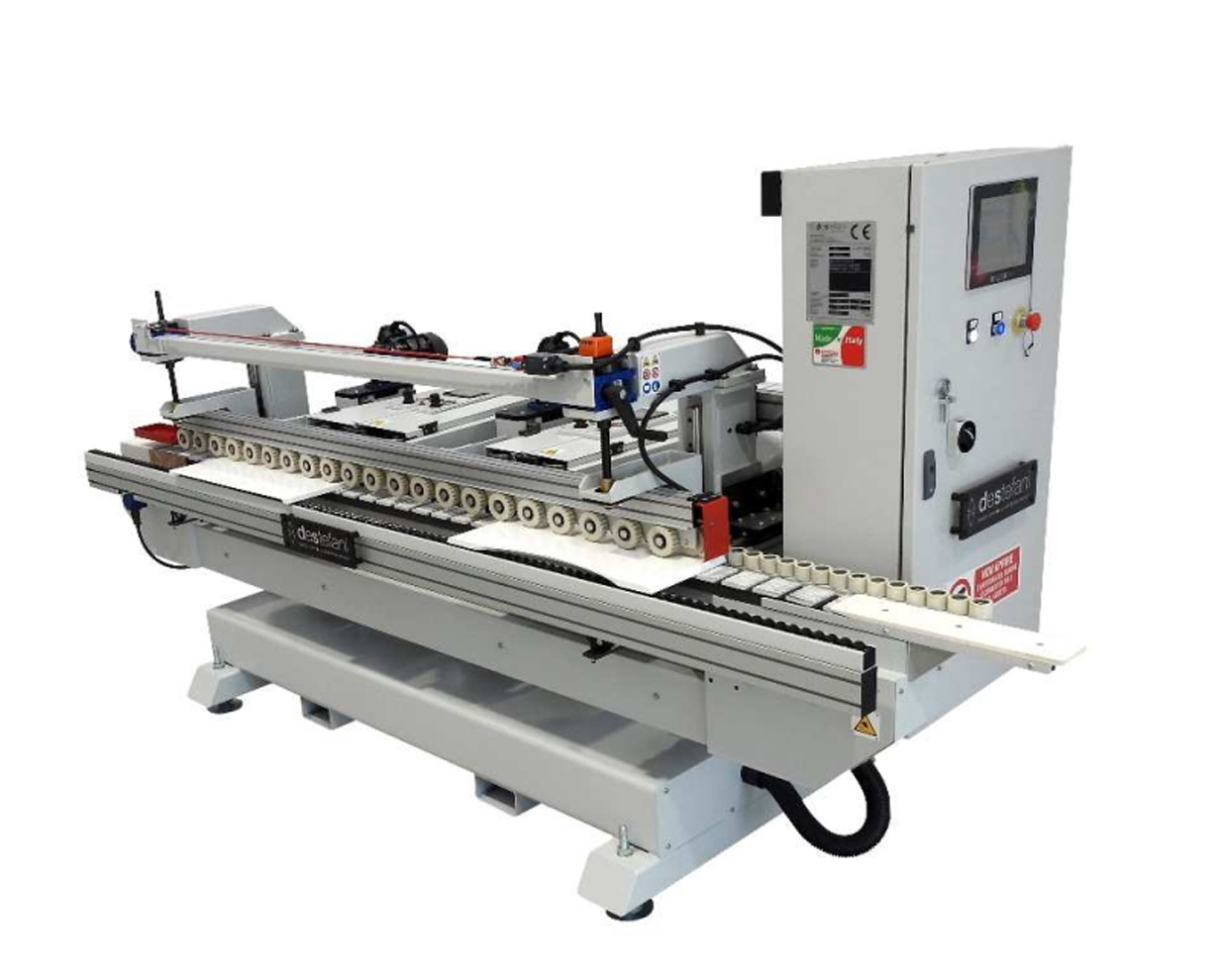
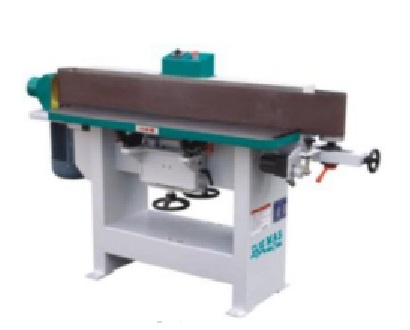
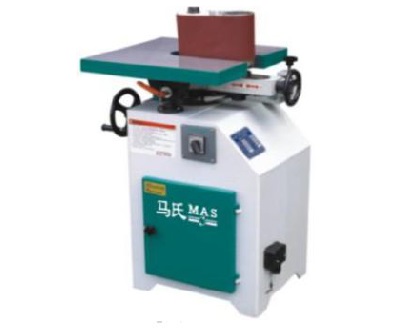
An edge sander — also called a profile sander or edge finishing machine — sands the edges and profiles of workpieces rather than their flat faces. It typically uses a continuous abrasive belt running over a contact arm or wheel, against which the operator presses the workpiece edge.

Edge sanders are used for:

  • Sanding the edges of solid wood panels, table tops, and cabinet doors after routing or moulding
  • Smoothing profiled edges — rounded, chamfered, or moulded shapes — that a wide belt sander cannot reach
  • Removing saw marks from panel edges before edge banding or finishing
  • Fitting and smoothing solid wood frame members

Edge sanders range from simple bench-top machines for small workshops to large industrial profile sanding machines for production environments.

Production Sanding vs Hand Finishing

Many smaller furniture workshops rely entirely on orbital sanders and random-orbit sanders for hand finishing. Festool produces the benchmark tools for this type of work — the Festool RO series random-orbit sander and the ETS series finish sander are used by professional cabinetmakers and joiners who need consistent, swirl-free finish sanding on complex shapes, profiles, and surfaces that machines cannot reach.

Festool's integrated dust extraction system — where the sander connects directly to a Festool CT dust extractor via the Systainer system — keeps the workspace clean and greatly extends abrasive life by removing dust at the source rather than letting it clog the abrasive and score the surface. Caple Industrial Solutions is an authorised Festool dealer in India and carries the full sanding tool range.

The practical approach for most furniture factories is a tiered system: a wide belt sander handles flat panel faces in production volume; an edge sander handles profiles and edges; and Festool hand sanders handle areas that neither machine can reach — internal corners, shaped chair rails, and similar complex geometry.

SCM Sanding Machines — Industrial Grade

SCM Group manufactures a comprehensive range of wide belt sanders and edge sanders for professional furniture production. SCM wide belt sanders are known for their precise calibration capability, robust construction, and consistent abrasive belt tracking over long production runs. They are used by furniture manufacturers across India who are producing at scale and need reliable surface preparation.

Caple Industrial Solutions is an authorised SCM dealer and can arrange demonstrations of SCM sanding machines at its demo centres. Contact Caple for pricing and availability.

Choosing the Right Abrasive Grit Sequence

The machine is only part of the sanding system — abrasive selection is equally important. A wide belt sander used for calibration typically begins with a coarse grit (such as 60 or 80) and progresses to a finishing grit (120 or 150). Going too fine too quickly leaves surface undulations; skipping grits too aggressively risks scratching.

For painted furniture destined for high-gloss coatings, final hand-sanding with fine-grit Festool abrasives (220 or finer) is standard practice after machine sanding, to eliminate any remaining micro-scratches before primer application.

Frequently Asked Questions

What is the difference between a wide belt sander and an edge sander?

A wide belt sander processes the flat faces of panels — it calibrates thickness and provides surface finish. An edge sander processes the edges and profiles of workpieces. The two machines complement each other but are not interchangeable.

Do I need a wide belt sander if I am using pre-laminated board?

If you are using pre-laminated particleboard or MDF and the laminate surface is your finished product, you generally do not need a wide belt sander for surface finishing. However, if you are cutting and routing pre-laminated board and the raw edges need sanding before edge banding, an edge sander may still be relevant. For factories doing solid wood or painted work, a wide belt sander is important.

What is calibrating sanding?

Calibrating sanding is a wide belt sanding operation that removes a controlled amount of material from a panel's surface to bring it to a precise, consistent thickness. It is used before veneering, painting, or further processing to ensure all parts are dimensionally uniform.

Is Festool worth buying for a furniture factory in India?

Festool is worth the investment for professional cabinetmakers and joinery shops where finish quality is a selling point and tool longevity is important. Festool's dust extraction integration, abrasive compatibility, and precision make it the preferred choice for hand finishing work at professional level. Caple Industrial Solutions is an authorised Festool dealer in India. Enquire here.

Does Caple Industrial Solutions supply both wide belt sanders and edge sanders?

Yes. Caple Industrial Solutions supplies SCM sanding machines for production environments and Festool hand sanding tools for professional finishing. Both ranges are available for demonstration at Caple's demo centres across India.

What warranty applies to sanding machines purchased through Caple?

Sanding machines purchased through Caple Industrial Solutions carry a warranty of 12 months or 2,000 hours of operation, whichever occurs earlier, covering manufacturing defects. Abrasive belts and consumables are excluded from warranty coverage.

Filters
Filters
Category
  • (1)
    • (1)
    • (5)
    • (1)
Brands
No matches found
Giardinagroup
(1)
Mas
(2)
SCM
(1)
caple.in
(4)
-
Available on Request
₹4,300,000.00₹5,375,000.00
Available on Request
₹4,900,000.00₹6,125,000.00
Available on Request
₹4,050,000.00₹5,062,500.00
Available on Request
₹3,800,000.00₹4,750,000.00
Available on Request
₹3,550,000.00₹4,437,500.00
Available on Request
₹180,000.00₹225,000.00
Available on Request
₹110,000.00₹137,500.00
Items have been added to cart.
One or more items could not be added to cart due to certain restrictions.
Added to cart
Quantity updated
- An error occurred. Please try again later.
Deleted from cart
- Can't delete this product from the cart at the moment. Please try again later.