Choosing the right spindle moulder for a specific application depends on several factors, including the type of woodworking tasks, the complexity of the profiles, the size of the workpiece, and the desired level of precision. Here's a general guide to help you select the appropriate spindle moulder for common woodworking applications:
Edge Profiling and Moulding:
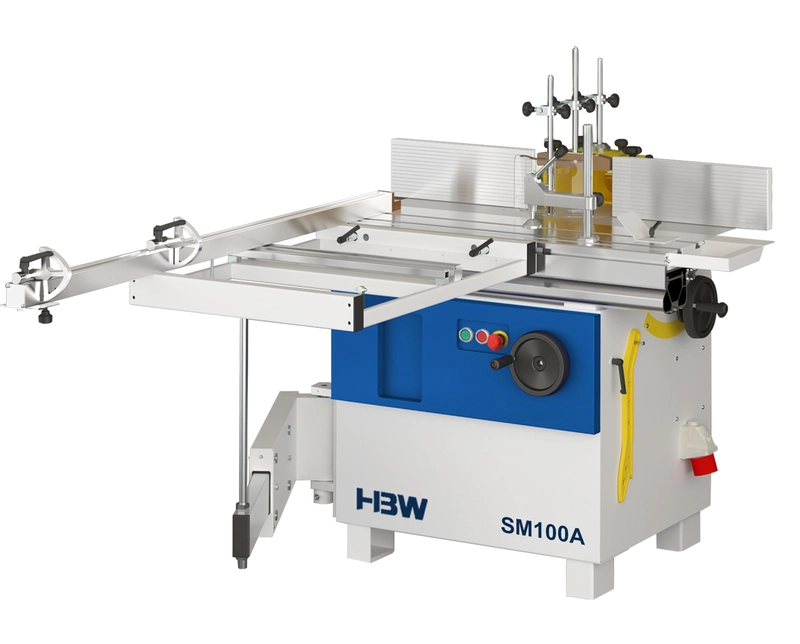
For edge profiling and creating decorative mouldings on smaller workpieces, a vertical spindle moulder is often suitable. These machines offer versatility and can handle various cutterhead profiles. Choose a spindle moulder with a range of spindle speeds and adjustable fence settings to accommodate different profile cutters and workpiece dimensions.
Raised Panel and Door Making:
When working on raised panel doors, cabinet doors, or similar applications, a spindle moulder with a tilting spindle is recommended. The ability to tilt the spindle allows for profiling the edges of panels at various angles, creating decorative profiles, and making cope and stick joints. Ensure the machine has a robust fence system and the capability to mount different cutterheads for profiling and coping.
Tenoning and Joinery:
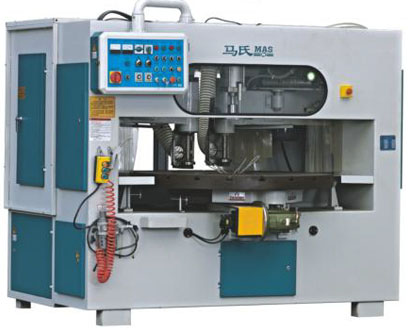
For precise tenon cutting and joinery tasks, consider a tenoning spindle moulder. These machines are specifically designed for cutting tenons, and they typically have a horizontal spindle and a tenoning table or carriage. Look for a machine with adjustable stops, fences, and clamping systems for accurate and repeatable tenon production.
Large-scale Production and Complex Profiles:
In high-volume production settings or when working on complex profiles, a CNC spindle moulder offers the most versatility and precision. CNC spindle moulders allow for computer-controlled movement of the spindle and workpiece, enabling the creation of intricate profiles, complex joinery, and custom designs. They are ideal for large-scale manufacturing, custom woodworking, and specialized projects.
Sliding Table and Larger Workpieces:
When handling larger workpieces or needing additional support and precision, consider a spindle moulder with a sliding table. Sliding table spindle moulders offer greater stability and control when shaping larger panels, doors, or long pieces of wood. The sliding table allows for smooth feeding and increased accuracy during the shaping process.
It's important to note that the specific features, power, and capabilities of spindle moulders can vary among manufacturers and models. Consider your specific woodworking requirements, the type of profiles and joinery you need to create, and the production volume when choosing a spindle moulder. Always follow the manufacturer's guidelines and safety precautions when operating spindle moulders to ensure safe and efficient woodworking practices.